European Film Awards Spotlight Pacifist Documentary Amid Defence Debates
The European Film Awards, the continent's prestigious answer to the Oscars, celebrated cinematic excellence in Berlin this January, positioning itself as a key tastemaker for mature cinema. Among the notable victories was the best documentary prize awarded to Fiume o Morte! by Croatian director Igor Bezinović.
A Quirky Historical Gem Receives Recognition
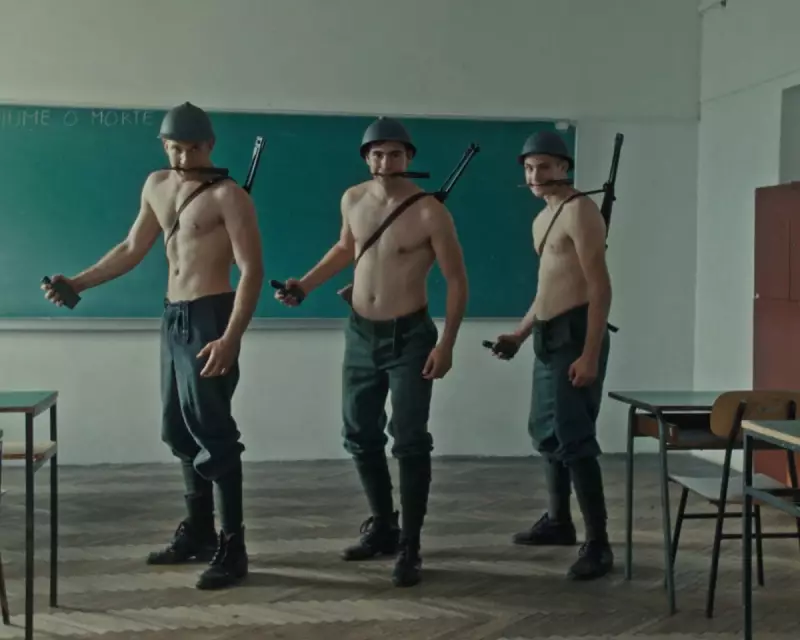
Bezinović's film is an Act of Killing-style re-enactment of the 1919 conquest of the Adriatic city now known as Rijeka. This historical episode was led by the proto-fascist dandy-poet Gabriele D'Annunzio and his rag-tag army. The documentary represents precisely the kind of overlooked yet relevant cinematic work that the European Film Awards aims to champion, having been ignored by major festivals.
In his acceptance speech, Bezinović thanked the non-professional actors recruited from his hometown of Rijeka. He also highlighted recent student protests in Germany, where 55,000 students across 90 cities demonstrated against militarisation and conscription. Bezinović expressed hope that these protests would inspire students throughout Europe, a sentiment met with enthusiastic applause from the audience.

Pacifism as Core European Identity
Pacifism remains fundamental to modern European identity, reflecting a continent of similar-but-different nation states that have maintained unprecedented peace by moving away from intense militarisation. European culture traditionally values peace prizes over war medals, with cinema celebrating conflicted antiheroes rather than military superheroes.
This pacifist consensus in western Europe has historically relied on American security guarantees and Russian fossil fuels. However, recent geopolitical shifts, including Russia's invasion of Ukraine and political uncertainties, have prompted difficult questions about whether this stance remains sustainable.
The Complex Reality of European Defence
Calls for European rearmament appear driven not by nostalgia for military glory but by gradual awakening to geopolitical realities. Germany's new defence plans, while falling short of conscription, reflect this reluctant shift. The situation has prompted frustration with political leaders, both past and present, for what some describe as remaining in a comfort zone of cowardice and inaction.
This raises important questions for European artists and cultural figures: does showing sympathy toward the military inevitably lead down the path of figures like D'Annunzio, who began with socialist sympathies before embracing ultra-nationalism? Or can culture find a middle ground during times of conflict?
Exploring Armed Pacifism Through Art
Ukrainian photojournalist Mstyslav Chernov's Bafta-nominated documentary 2000 Meters to Andriivka offers one perspective. Described as not so much pro-military but pro-soldier, the film demonstrates deep empathy for those sacrificing their lives for Ukrainian territory.
Former Ukrainian foreign minister Dmytro Kuleba has proposed that Europe might need to embrace the concept of armed pacifism to survive current challenges. This paradoxical idea—typically more associated with artistic expression than political discourse—suggests maintaining pacifist values while acknowledging the necessity of defence capabilities.
The European Film Awards ceremony thus became more than just a celebration of cinematic achievement; it served as a platform for examining Europe's cultural identity amidst evolving security concerns. As artists continue to explore these complex themes, they contribute to the essential societal dialogue about how Europe navigates the delicate balance between cherished pacifist ideals and practical defence requirements.