Emerald Fennell's Wuthering Heights Adaptation Faces Scathing Criticism
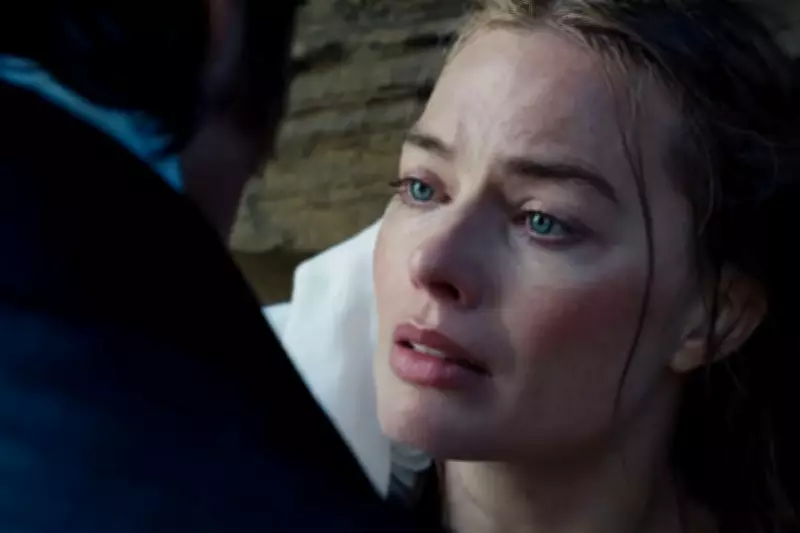
Emerald Fennell's new film adaptation of Wuthering Heights has been met with harsh reviews, described as an astonishingly bad and hollow work that reduces Emily Brontë's classic novel to limp, marketable romance tropes. The movie, starring Margot Robbie and Jacob Elordi, is accused of stripping away the emotional violence and complexity of the original story.
Performances and Provocations Fall Flat
Margot Robbie and Jacob Elordi's performances are criticised as being pushed almost to the border of pantomime, with their characters thinned out to simplistic archetypes. Fennell's provocations in the film are seen as equally limp, portraying poor people as sexual deviants and rich people as clueless prudes, which fails to deliver genuine shock or depth.
The adaptation focuses only on the first half of the novel, a common tradition, but the primary issue lies in its tone. Compared to Fennell's previous works like Promising Young Woman or Saltburn, this version is whimperingly tame, lacking the messy, self-destructive elements that define Cathy and Heathcliff's relationship in Brontë's book.

Narrative Flattening and Character Simplification
Fennell's script conflates characters, such as merging Hindley with Mr Earnshaw, and flattens the story into a conventional romance where Cathy escapes poverty by marrying the wealthy but dull Edgar, while yearning for her penniless soulmate Heathcliff. This simplification removes the novel's themes of vengeance, abuse, and social ostracisation.
Heathcliff, played by Jacob Elordi, is transformed into a wet-eyed, Mills & Boon mirage, devoid of the monstrous complexity that makes him a challenging figure in the book. His return as a rich man is presented as a romcom makeover rather than a mission for financial power to ruin his enemies.
Visual and Thematic Missteps
The film's visual style, with costumes and sets quoting classics like Jacques Demy's Peau d'âne and Jean Cocteau's La Belle et la Bête, paired with soft cinematography, creates a fairytale aesthetic that clashes with Brontë's Gothic masterwork. These elements appear garish when faced with the novel's vivid, thorny language.
Musical contributions by Charli xcx and Anthony Willis offer some dread, but overall, the film fails to capture the disturbing essence of Wuthering Heights. As a sadomasochistic provocation, it falls short, with scenes played as jokes rather than genuine challenges to societal norms.
Broader Implications and Final Verdict
This adaptation reflects a modern literacy crisis, where literature is denigrated to mere distraction rather than mind expansion. By gutting one of the most impassioned novels ever written, Fennell's film loses the singular spirit of Brontë's work, making it marketable but ultimately shallow.
Directed by Emerald Fennell and featuring a cast including Hong Chau, Shazad Latif, Alison Oliver, Martin Clunes, and Ewan Mitchell, the film is rated Cert 15 with a runtime of 136 minutes. Released in cinemas from 13 February, it serves as a reminder that Brontë's original remains untouchable in its emotional power and complexity.