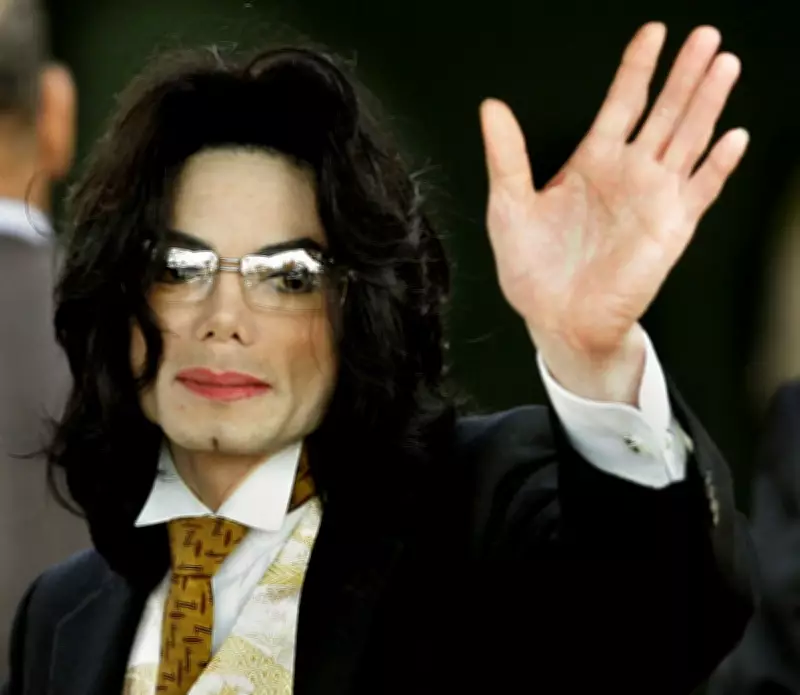
A new documentary series on Channel 4, titled Michael Jackson: The Trial, delves into the controversial 2005 case where the pop icon was accused of molesting a 13-year-old boy, Gavin Arvizo. Despite being found not guilty on all counts, the programme presents newly released tapes and archival footage that offer a disturbing glimpse into Jackson's life and the events leading up to the trial.
Unheard Recordings and Alarming Revelations
The series features previously unreleased recordings of Michael Jackson from 2000 and 2001, which have never been made public before. In one particularly troubling clip, Jackson declares, "If you told me right now ... 'Michael, you could never see another child' ... I would kill myself." While these tapes do not serve as definitive proof of wrongdoing, they contribute to an overall sense of unease and raise questions about his behaviour and mindset during that period.
Examining the Arvizo Family Dynamics
Michael Jackson: The Trial provides an in-depth look at the relationship between Jackson and the Arvizo family. The documentary includes an unreleased video made by the family in support of Jackson after the broadcast of Martin Bashir's documentary, which initially sparked police investigations. Viewers witness the apparent pain and confusion on the faces of the family, especially Gavin's, when the cameras stopped rolling.

Louise Palanker, a friend of the Arvizo family, recalls Janet Arvizo as a struggling mother going through a divorce from an allegedly abusive husband, with Gavin recovering from cancer. Palanker suggests that Janet might have seen Jackson as a "godsend"—a kind and caring male influence in her children's lives. This perspective adds complexity to the narrative, highlighting the grey areas that surrounded the case.
Perspectives from Those Close to Jackson
The documentary interviews several individuals who were close to Michael Jackson, offering varied viewpoints on the allegations. Christian Robinson, a videographer who worked with Jackson in the 2000s, expresses skepticism about the motives of the Arvizo family, suggesting that Janet might have been willing to take money to accuse Jackson. However, he also acknowledges the protective nature many felt towards the singer, describing how people viewed him "not just as a man, but as a god."
Shmuley Boteach, a rabbi and former spiritual adviser to Jackson, does not believe the singer abused children but admits his shock at learning that Jackson shared beds with other people's children. This admission underscores the difficulty in reconciling Jackson's public persona with the private behaviours that raised red flags.
Evidence and Emotional Testimonies
The series does not shy away from presenting evidence that challenges Jackson's innocence. It discusses "grooming materials" found at Neverland Ranch, including a naturist magazine with videos of naked children circled, as described by Vincent Amen, a former publicist for Jackson. Amen's emotional testimony reveals the lasting impact of his discovery, stating that it "will always affect me."
Similarly, Ruby Wolff of the Santa Barbara sheriff's office breaks down while recalling the "intensity" of the case, even years later. These moments highlight the profound emotional toll the investigation took on those involved.
Legacy and Ongoing Debate
Michael Jackson: The Trial references the impactful 2019 documentary Leaving Neverland, which detailed allegations from Wade Robson and James Safechuck. While the new series is not as stylised or groundbreaking, it succeeds in collating accounts from both sides of the argument, allowing viewers to draw their own conclusions. The programme prompts reflection on Jackson's legacy, as noted by Pulitzer-winning writer Margo Jefferson, who described him as both "charming and generous" and "calculating, selfish and gripped by demons."
In its conclusion, the documentary poses a direct question to the audience, echoing Christian Robinson's query: "Do you think he's innocent, after everything you've seen?" This challenges viewers to consider the plausibility of the allegations and the complexities of the case, ensuring that the debate over Michael Jackson's actions and legacy continues to resonate.