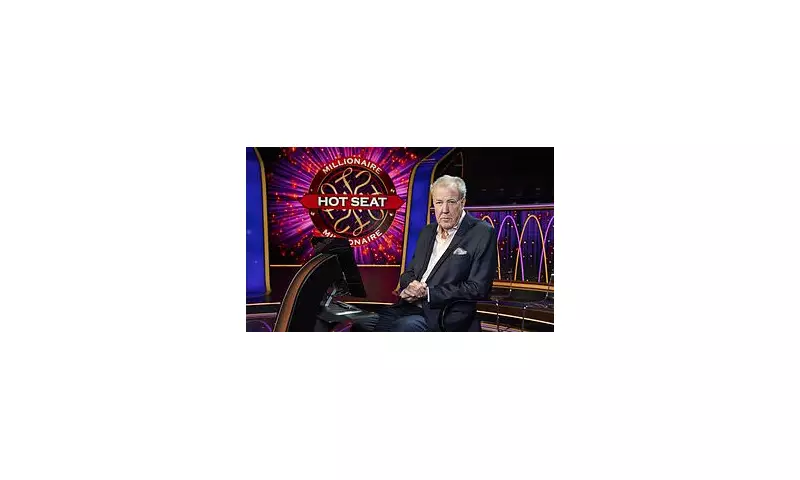
Television has fallen victim to the same economic phenomenon that has left chocolate bars smaller and more expensive, according to a scathing review of ITV's latest game show. Millionaire Hot Seat, a new half-hour version of the iconic Who Wants To Be A Millionaire?, has been branded a prime example of 'shrinkflation' on screen.
The Bite-Sized Format That Lacks Flavour
The critique draws a direct parallel with the transformation of the classic Mars Bar. Once a substantial treat in 1976 costing just 7p, it is now a lighter product for £1.20. Similarly, the new quiz, which condenses the original formula into 30 minutes, is accused of stripping out the very essence that made the show a hit. Host Jeremy Clarkson may hail it as "pure, concentrated Who Wants To Be A Millionaire juice," but critics describe it as a bland, unsatisfying imitation.
The most significant casualty of the condensed runtime is the show's unique suspense. Gone are the long, agonising moments of prevarication where contestants wrestled with self-doubt before uttering their iconic "final answer." In Millionaire Hot Seat, players now have just 15 seconds to answer questions in the first five rounds, and 30 seconds thereafter. This makes the required "final answer" confirmation seem almost laughable, as contestants have no time to properly weigh their options.

What's Missing From The Recipe?
The show's alterations go far beyond just a faster pace. Several beloved elements of the original format have been completely removed or altered. The famous "lifelines"—Phone a Friend, Ask the Audience, and 50:50—are absent. Contestants do get one opportunity to pass on a question, but a wrong answer still means elimination.
Furthermore, the "Fastest Finger First" round has been scrapped. Instead, the order in which players step into the hot seat is decided by a random draw. The prize structure has also been downsized. While one player can still theoretically win a million, the second-largest prize is now £250,000, not £500,000. Every wrong answer sees a jackpot prize removed from the top, and other contestants leave with nothing.
The Real Cost of Televisual Shrinkflation
The review argues that this streamlining destroys the core thrill of the game: watching ordinary people waver between caution and recklessness while debating whether to gamble a fortune. Without this psychological drama, the show becomes just another generic quiz in a crowded market.
The concept of shrinkflation—where consumers pay more for a smaller, often inferior product—was coined by economists about 15 years ago following the banking crisis. It has now seemingly found a perfect application in television production. The reviewer notes that even the show's million-pound prize, first offered when the original series launched with Chris Tarrant in 1998, would be worth double that amount at today's prices, underscoring the diminished value on offer.
In the show's debut, firefighter Simon Williams won £20,000—a decent sum, but hardly the life-changing money the brand once promised. The review does concede one ironic upside to the trend of reduction: host Jeremy Clarkson, who has reportedly lost three stone using slimming jabs, can now comfortably button his jacket.