Portobello: A Mafia Parrot Tale That Fails to Captivate Audiences
HBO Max's new series Portobello delves into the bizarre true story of Enzo Tortora, Italy's former top television host, who was falsely accused of Camorra membership. Despite a premise involving a mind-controlled parrot and mafia intrigue, the show proves to be a surprisingly dull affair, leaving viewers questioning its execution.
The Unlikely Plot of Celebrity and Crime
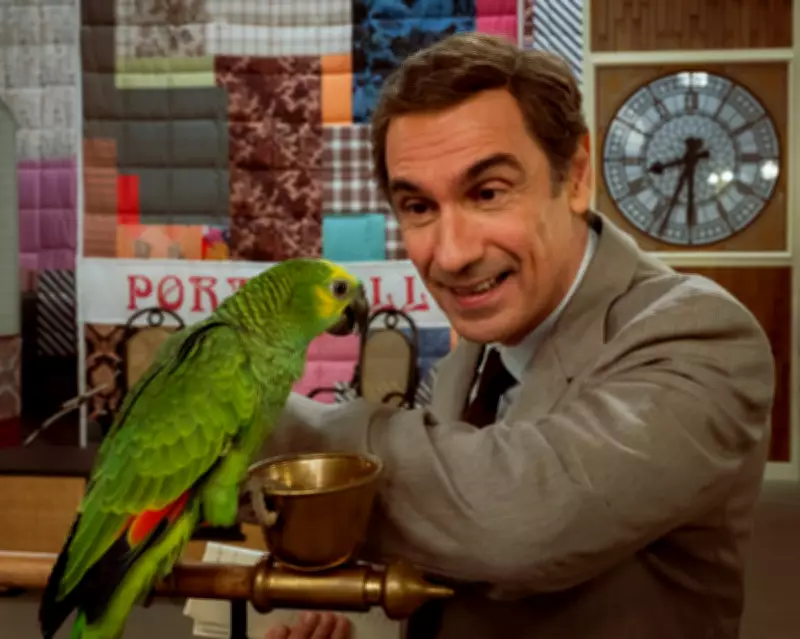
At its peak, Tortora's variety show Portobello captivated a staggering 28 million viewers, drawing a national audience from nuns to prison inmates. Among the latter was Giovanni Pandico, a paranoid Camorrist who becomes obsessed with Tortora, believing he communicates with the host via telepathy and controls a parrot featured on the show. The absurdity escalates when Pandico sends Tortora 20 lace doilies to sell on air, leading to baseless accusations of drug trafficking that result in Tortora's arrest.
This intersection of celebrity, politics, and organised crime is a potent theme, with writer-director Marco Bellocchio using the 1980s setting to critique modern times, prefiguring figures like Berlusconi and Trump. However, the narrative often feels weighed down by its own seriousness.

A Struggle with Pacing and Engagement
After losing his job, Tortora faces a media circus, with cameramen from his own station vox-popping the public on his guilt or innocence. The justice system is portrayed as Kafkaesque, with officials hiding behind legalese and leaking information to the press, forcing Tortora's lawyers to rely on daily newspapers for their defence strategy.
Yet, Tortora's powerlessness robs the story of agency. His time shuttling between incarcerations and the repetitive nature of bureaucracy make for sluggish television. While one scene involves staff coaxing a parrot from a church rafter, don't expect the high-octane drama of Narcos or Ozark. Portobello is a meditation on suffering and endurance, but it struggles to maintain viewer interest.
Production Choices and Viewer Fatigue
The first episode runs a lengthy 72 minutes, featuring a period-authentic brown palette, banda instrumentation, and blocky credits that lack the visual punch of contemporary TV. Unless you have a niche interest in cancelled TV presenters or the Naples police system, the slow pace may lead to restlessness.
This raises questions about modern viewing habits: are audiences too accustomed to fast-paced drama, or does Portobello simply fail to deliver on its promising premise? With themes of addiction and affair subplots, Tortora is portrayed as a flawed yet natural host, but the series often feels like "provincial, tear-jerking fluff" he himself criticises.
In the end, Portobello offers a unique glimpse into a historical scandal but falls short in execution, leaving viewers to wonder if a show about a big mushroom might have been more entertaining.