Solidarity or Submission? Q Review Examines Freedom, Lies and Transgressions
Jude Chehab turns the camera on the emotional maelstrom and slow liberation following her mother's expulsion from the controversial and highly secretive Muslim women's movement known as al-Qubaysiat. Opening the Pandora's box of her family secrets, Chehab makes a complex and moving documentary debut that unfolds both as an investigation and as a form of intergenerational therapy.
A Family's Devotion to a Secretive Order
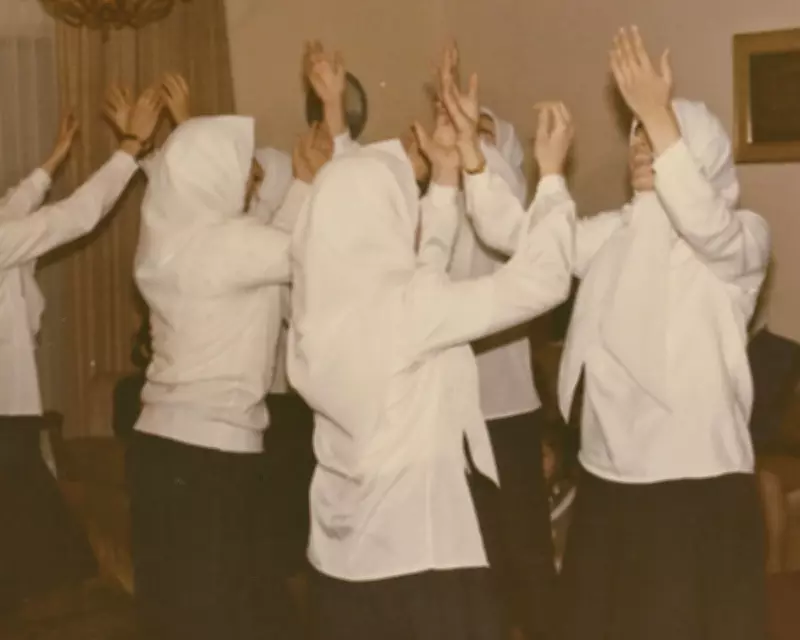
For decades, Chehab's mother, Hiba, was utterly devoted to al-Qubaysiat, a female Muslim order operating primarily in Lebanon and Syria. Chehab's grandmother, Doria, had also been a dedicated follower, and the filmmaker herself was initiated into the group as a young girl. For the two older women, this all-female religious movement inspired profound feelings of solidarity and freedom, yet it also demanded absolute submission to the leader, known to followers as the Anisa, or the Teacher.
When Hiba was expelled for unclear transgressions, her entire world fell apart, creating a deep emotional rift within the family. The documentary meticulously charts this fallout, avoiding sensationalism in favor of a more nuanced, personal exploration.

Focus on Emotional Fallout Over Sensationalism
In stark contrast to other documentaries about controversial organisations, Chehab's film deliberately does not sensationalise the tactics of indoctrination. Information about the al-Qubaysiat group comes only in bits and pieces, as revealed gradually by Hiba and Doria through their recollections.
This deliberate storytelling choice shifts the focus away from the unseen but powerful Anisa, concentrating instead on the emotional maelstrom endured by Hiba and the rest of Chehab's family. The camera becomes a potent tool for catharsis, yet when Chehab urged her father to speak about al-Qubaysiat, his answers were not as scathing as she had anticipated, as if he had deviated from an imaginary script.
Complex Portrayals and Slow Liberation
Hiba herself resists simplistic categorization as a mere victim. Her wounds from banishment remain raw and deeply felt, yet she could not help but grieve audibly over the Anisa's death, revealing the complex layers of her attachment. However, a slow liberation has steadily grown within her over time.
When Hiba now leads Muslim study groups, she explicitly asks not for blind faith, but for genuine curiosity and deeper understanding. Chehab's film focuses intently on this internal emancipation, rather than problematising the veil or Islam itself, resulting in a radical and nuanced portrayal of a Muslim woman rediscovering her own voice and agency.
The documentary Q is available on True Story from 3 April, offering viewers a rare glimpse into the intimate dynamics of faith, family, and personal freedom within a secretive religious context.