Reality Check: Inside America's Next Top Model Review
A new three-part Netflix documentary, Reality Check: Inside America's Next Top Model, provides a stark exposé of the toxic treatment and body-shaming that defined the early 2000s reality TV hit. The series features remarkable access to key figures, including creator Tyra Banks, but ultimately falls short in its impact due to uneven pacing and editing.
The Rise and Fall of a Cultural Phenomenon
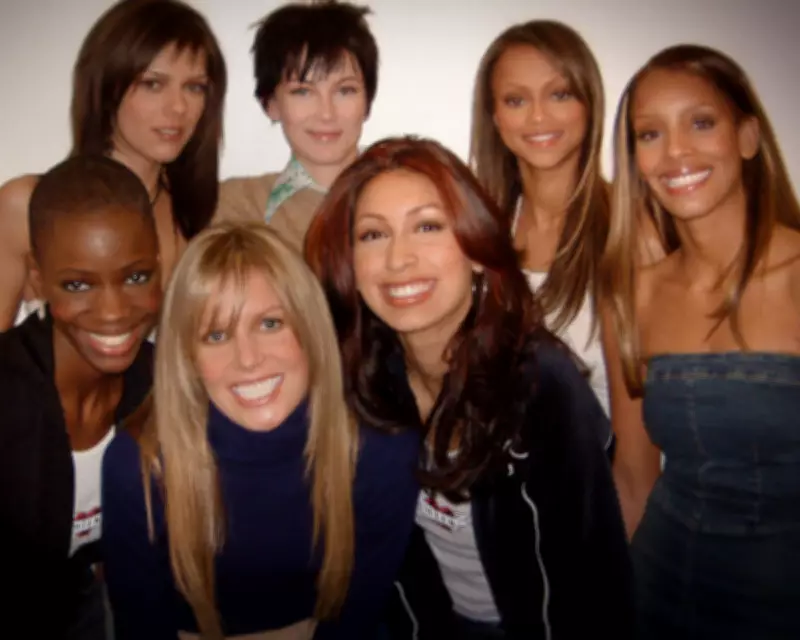
For many millennial women, America's Next Top Model was appointment television, running from 2003 to 2013 and drawing over 100 million viewers globally. Hosted by supermodel Tyra Banks, the show popularised terms like "smize" and created viral moments, but its legacy is now under scrutiny. The documentary highlights how the show's exacting critiques and body-shaming have aged poorly, with Gen Z viewers pointing out its discomforting content during pandemic-era binges.
Toxic Practices and Humiliation Rituals
Despite Banks' claims of democratising modelling, the series reveals that Top Model upheld harmful standards. Contestants were weighed on camera and subjected to cruel comments, such as Giselle being ridiculed for her "wide ass." In one egregious example, a larger contestant was made to pose as an elephant in a safari-themed photoshoot. The show's challenges often bordered on humiliation, with contestants pressured into traumatic scenarios, like Dionne posing with a bullet wound reference despite her mother's shooting.

Production Failures and Lack of Accountability
Executive producer Ken Mok admits to mistakes, such as a photoshoot that celebrated violence, but shows little empathy for individual suffering. Banks deflects responsibility, stating production issues were "not my territory." Many contestants, coming from deprived backgrounds, believed the show was their ticket out, only to find it worked against them in the fashion industry, which rejected its over-the-top photoshoots.
Disturbing Incidents and Ethical Lapses
Most alarming is contestant Shandi's account of a trip to Milan, where she had sex while blacked out from alcohol, with camera crews filming the entire incident. The documentary suggests she was too drunk to consent, yet production did not intervene. Mok defends this as documentary-style filming, while Shandi says her demands to leave were denied. Banks' response was to hold a girl talk session, framing the episode as "The Girl Who Cheated."
Banks' Controversial Role and Legacy
Tyra Banks comes across poorly in the documentary, blaming viewers for the show's extremes and offering vague apologies. She portrays herself as a trailblazer but fails to address the harm caused. The series concludes by showing former contestants happier and healthier, yet it frames criticism as a product of woke Gen Z, rather than acknowledging the show's inherent ugliness. Reality Check is on Netflix, offering a surface-level look at a deeply flawed cultural artifact.