Robert Duvall: A Vigorous and Subtle Actor with Unmatched Passion
Robert Duvall was a foghorn-voiced bull of pure American virility, bringing energy and heart to the silver screen for over six decades. Just seeing him on screen was enough to evoke a smile, with his handsome, Roman emperor-like visage from Waxahachie, Texas, or the aura of a three-star general moonlighting on the country music circuit. Famously bald, Duvall maintained a vigorous fortysomething prime throughout his career, often portraying characters layered with tenderness and woundedness.
A Career Defined by Two Iconic Roles
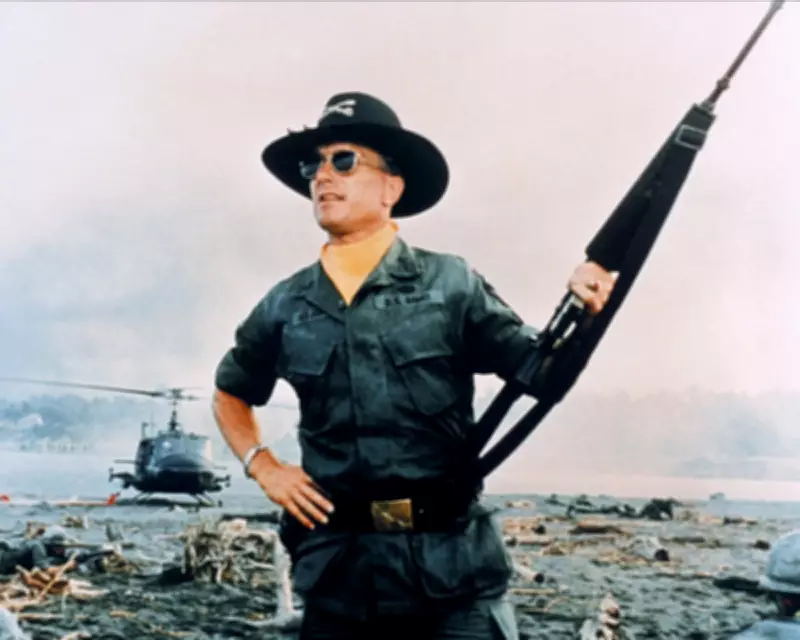
Duvall's long and rich career began with notable parts in classics like To Kill a Mockingbird, M*A*S*H, The Conversation, and Network. However, destiny cast him chiefly in two sensational and vastly different roles crafted by Francis Ford Coppola in the 1970s. First, as Tom Hagen, the quiet, self-effacing consigliere to the Corleone crime family in The Godfather (1972), Duvall navigated complex relationships with Marlon Brando's Don Vito and Al Pacino's coldly imperious Michael. Second, he delivered an extraordinary turn as the surf-crazed Wagner enthusiast Lieutenant Colonel Kilgore in Apocalypse Now (1979), leading a helicopter assault on a Vietnamese village with The Ride of the Valkyries blaring—a scene that epitomized his charismatic intensity.
The Subtlety of Tom Hagen in The Godfather
In The Godfather, Duvall's Hagen is one of his most nuanced and misunderstood performances. Calm and reserved, he serves as the administrator and COO of the Corleone empire, enduring insults from James Caan's hothead Sonny. When Michael later excludes him from the inner circle, Duvall masterfully conveys Hagen's deep hurt. Yet, it is mild-mannered Hagen who orchestrates the film's most macabre act: the horse's head in the bed. After a failed diplomatic mission to a Hollywood producer, Hagen mobilizes local muscle to execute this terrifying deed, showcasing psychopathic ingenuity. Back in New York, when Tessio pleads for help before his execution, Duvall's face reveals a mask of contemptuous amusement, highlighting his character's steely resolve.

The Outrageous Energy of Kilgore in Apocalypse Now
In Apocalypse Now, Duvall's Kilgore booms with shirtless bravado, squatting to declare, "I love the smell of napalm in the morning!" He dismisses the enemy with contempt, famously stating, "Charlie don't surf!" Duvall delivers these arias of craziness with absolute conviction, embodying a character both intimidating and mysteriously regretful. That same year, he portrayed another formidable figure in The Great Santini (1979), as marine officer "Bull" Meacham, whose bullying of his son in a basketball game scene is unwatchably intense.
Oscar-Winning Performances and Personal Projects
Duvall earned his Best Actor Oscar for Tender Mercies (1983), playing Mac Sledge, a country singer battling alcoholism and loss. His gentle, melancholic performance, complete with self-composed songs like Fool's Waltz, anchored the film like a heartfelt country ballad. However, his passion project, The Apostle (1997), stands as a favorite for many. As writer, producer, director, and star, Duvall portrayed preacher Euliss F "EF" Dewey, a man seeking redemption after a violent crime. The film, reminiscent of a Hardyesque tale set in the deep south, features Duvall in a glorious performance, from playful radio sermons to a moving final church service as police await outside.
Legacy of a Cinematic Powerhouse
Robert Duvall always brought power to his roles, and with his passing, a piece of that cinematic vitality has departed. From steely consiglieres to surf-obsessed colonels, his career remains a testament to an actor who performed with unwavering passion and conviction, leaving an indelible mark on film history.