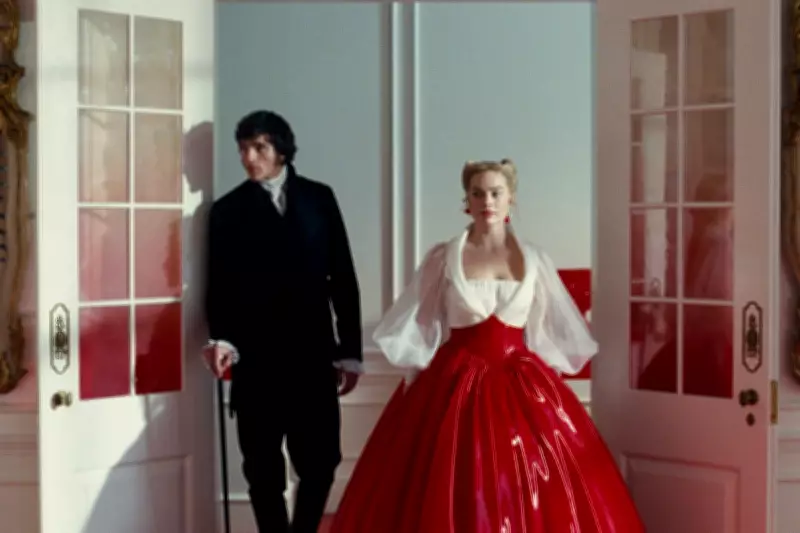
Emerald Fennell, the director of the new film adaptation of Emily Brontë's classic novel Wuthering Heights, has openly addressed the significant alterations made to the story, attributing them primarily to time constraints. The movie, which features Margot Robbie as Catherine and Jacob Elordi as Heathcliff, concentrates heavily on the initial segment of the book, delving into the intense and volatile relationship between the two central characters.
Streamlining the Narrative for the Screen
To create a more focused cinematic experience, Fennell made substantial cuts to the original plot. Characters such as Mr. Lockwood and Hindley have been entirely removed from the film. Instead, elements of Hindley's persona have been merged into the character of Earnshaw, portrayed by Martin Clunes. This revised version of Earnshaw emerges as a more dominant figure in the story, depicted as a drunken and abusive antagonist who embodies a complex mix of deep affection and cruelty.
Critical Reception and Public Response
The adaptation has generated a polarised response from critics and audiences alike. Some reviewers have lauded the film as "oozy and wild", praising its bold reinterpretation and emotional depth. Conversely, others, including The Independent, have criticised it harshly, labelling it an "astonishingly bad adaptation" that strays too far from the source material. This division highlights the challenges of adapting such a beloved literary work for modern cinema.

Fennell's approach aimed to capture the essence of Brontë's themes while making the story more accessible for contemporary viewers. By focusing on the core romantic conflict and simplifying the narrative structure, she sought to emphasise the raw passion and tragedy that define Wuthering Heights. The film's release has sparked discussions about the balance between fidelity to original texts and creative liberty in adaptations.