Wuthering Heights Film Adaptation Ignites Literary Interest
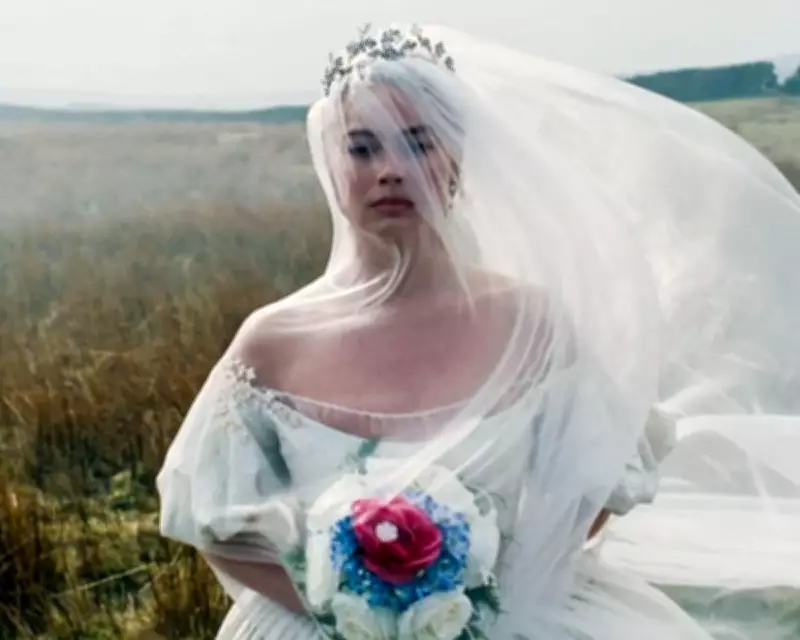
Emerald Fennell's cinematic interpretation of Emily Brontë's iconic novel Wuthering Heights premiered globally on 13 February, featuring Margot Robbie in the role of Catherine Earnshaw. The director has expressed her ambition to evoke a primal emotional response from viewers, diverging from traditional love story portrayals.
Novel's Legacy and Screen Challenges
Brontë's 1847 work, renowned for its tempestuous and extreme narrative, has long been considered a challenging text for film adaptation. Upon its original release, it was not perceived as a conventional romance. Fennell remarked, "I can't adapt the book as it is but I can approximate the way it made me feel," highlighting her creative approach to capturing the novel's essence rather than a literal translation.
Audience Engagement and Reading Inspiration
The release has sparked a wave of curiosity among audiences, prompting many to either discover the novel for the first time or revisit it after years. Key questions being explored include:

- Has the film motivated you to read or re-read Wuthering Heights?
- What are your thoughts on the literary experience compared to the cinematic version?
- How might reading the book alter your perception of the film?
Fans are encouraged to share their personal stories and anonymous feedback, with secure methods available for contribution. The Guardian ensures data privacy by encrypting responses and limiting access, deleting personal information after the feature's conclusion.
Comparative Analysis and Cultural Impact
This adaptation joins a long history of attempts to bring Brontë's complex characters and themes to the screen, raising discussions about fidelity to source material and artistic interpretation. As audiences engage with both mediums, the dialogue enriches appreciation for classic literature in contemporary contexts.