The Complex Art of Coalition Building in Modern Protest Movements
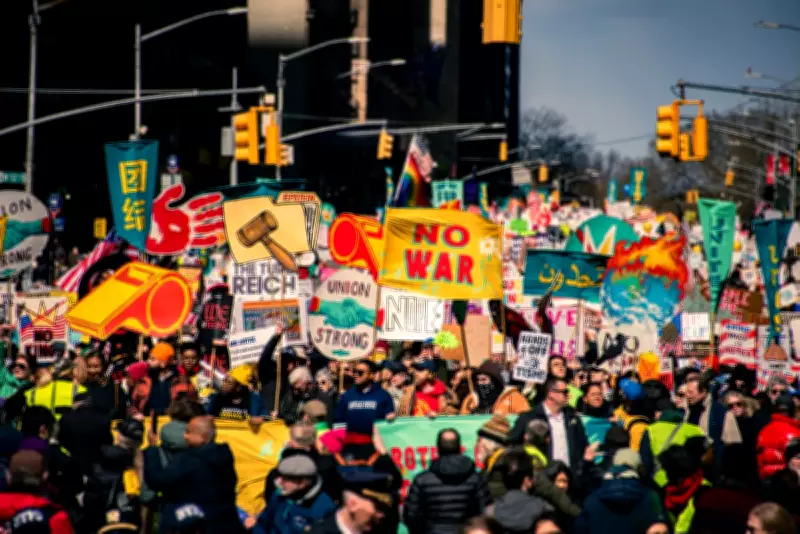
In today's rapidly evolving political landscape, the formation of coalitions within protest movements has become a critical yet intricate endeavour. As societal issues grow more multifaceted, activists and organisers are increasingly tasked with uniting diverse groups under a common banner. This process, while essential for amplifying voices and achieving tangible change, is fraught with challenges that test the resilience and adaptability of modern activism.
Navigating Ideological Divides and Shared Goals
One of the primary hurdles in coalition building is bridging ideological divides among participating groups. Protest movements often bring together individuals and organisations with varying priorities, from environmental concerns to social justice and economic reform. Finding common ground requires careful negotiation and compromise, as factions may have conflicting views on tactics, messaging, or long-term objectives. For instance, while some groups advocate for radical, direct action, others may prefer more moderate, legislative approaches. Success hinges on fostering a sense of unity without diluting core principles, a delicate balance that demands skilled leadership and open dialogue.
The Role of Digital Platforms in Facilitating Unity
Digital technology has revolutionised the way coalitions are formed and sustained. Social media platforms and online tools enable rapid mobilisation and coordination across geographical boundaries, allowing protest movements to gain momentum quickly. However, this digital landscape also presents new obstacles. The spread of misinformation and echo chambers can fragment coalitions, as members may become entrenched in divergent narratives. Moreover, the transient nature of online engagement can undermine long-term commitment, with activists drifting in and out of movements based on trending issues. To counter this, organisers must leverage digital tools strategically, using them to build trust and foster offline connections that strengthen solidarity.

Overcoming Internal Conflicts and External Pressures
Internal conflicts, such as power struggles or resource allocation disputes, can destabilise coalitions from within. Effective governance structures and transparent decision-making processes are vital to mitigate these tensions. Additionally, protest movements often face external pressures from authorities, media scrutiny, or public backlash, which can strain alliances. For example, legal crackdowns or negative portrayal in the press may cause some groups to withdraw support to protect their own interests. Building resilient coalitions involves anticipating these challenges and developing contingency plans, such as legal support networks or media strategies, to maintain cohesion under pressure.
Case Studies and Lessons from Recent Movements
Recent protest movements, such as those addressing climate change or racial equality, offer valuable insights into coalition building. These movements have demonstrated that successful coalitions often prioritise inclusive leadership and grassroots involvement, ensuring that marginalised voices are heard. By learning from past successes and failures, activists can refine their strategies to create more durable alliances. Key lessons include the importance of clear communication, shared values over rigid ideologies, and adaptability in the face of evolving circumstances.
The Future of Coalition Building in Activism
Looking ahead, the future of coalition building in protest movements will likely be shaped by ongoing social and technological shifts. As global challenges like climate crisis and inequality intensify, the need for broad-based alliances will only grow. Innovative approaches, such as cross-sector partnerships or hybrid online-offline models, may emerge to address the complexities of modern activism. Ultimately, the ability to build and sustain coalitions will remain a cornerstone of effective protest, driving social change in an interconnected world.