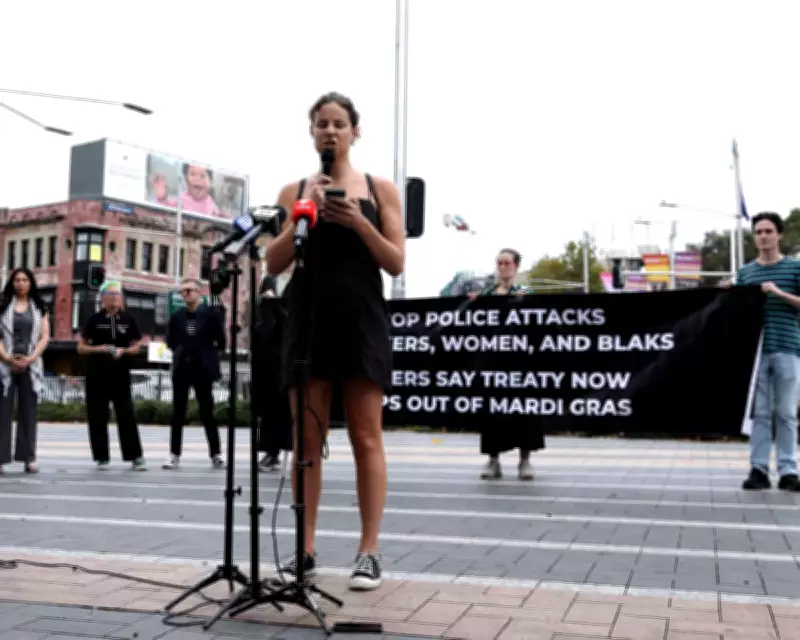
Pride in Protest Expelled from Sydney Mardi Gras Parade
In a contentious move, the activist group Pride in Protest has been banned from participating in this year's Sydney Mardi Gras parade. The decision stems from social media posts that criticised Dayenu, a Jewish LGBTQ+ community group, with allegations of supporting genocide. Mardi Gras chief executive Jesse Matheson issued a written warning, citing violations of parade rules and values.
Clash Over Social Media Commentary
Matheson stated that Pride in Protest was asked to remove what he termed "unacceptable public commentary" directed at Dayenu. The posts, which remained online as of Saturday afternoon, described Dayenu as "pro-genocide" and accused them of backing such actions. According to Matheson, this raised serious concerns about compliance with the parade's code of conduct, which prohibits harassment, bullying, vilification, or discriminatory conduct toward other participants.
Pride in Protest was given six hours to respond but failed to do so, leading to their expulsion. The group has vehemently opposed the ban, calling it an overreach and demanding a reversal. Evan Gray, a spokesperson for Pride in Protest, declared in a statement, "Pride in Protest refuses to comply with this authoritarian censorship that silences speaking out about genocide."

Political and Community Reactions
The ban has ignited a broader debate on censorship and inclusivity within the LGBTQ+ community. NSW Greens upper house MP Amanda Cohn criticised the decision as "an extraordinary act of censorship," especially given the inclusion of the Liberal Party in the parade, which she noted has historically opposed LGBTQ+ rights. Cohn argued that excluding Pride in Protest while allowing political groups with contentious records undermines the parade's principles.
Dayenu, the group at the centre of the controversy, expressed deep offense and hurt over the social media posts. A spokesperson clarified that Dayenu is not a Zionist organisation and felt the term was being used as an insult against the Jewish community. They welcomed Mardi Gras's enforcement of basic decency, stating it has made the event safer and more inclusive. The spokesperson added that Dayenu is open to meeting with Pride in Protest to foster a respectful relationship.
Mardi Gras's Stance on Conduct
Matheson emphasised that participation in the parade is conditional on adherence to terms and conditions, including the code of conduct. He noted that Pride in Protest had marched for years under the banner of 'No Pride In Genocide,' with Mardi Gras providing that space. However, the current issue revolves around conduct, specifically harassment of other participants and refusal to comply with agreed rules. Pride in Protest was also asked to confirm their float marshal had read and understood the terms, which they did not do.
This incident highlights ongoing tensions between activist expression and community standards at major events like Mardi Gras. As the parade approaches, the fallout continues to spark discussions on free speech, inclusivity, and the boundaries of protest within LGBTQ+ spaces.