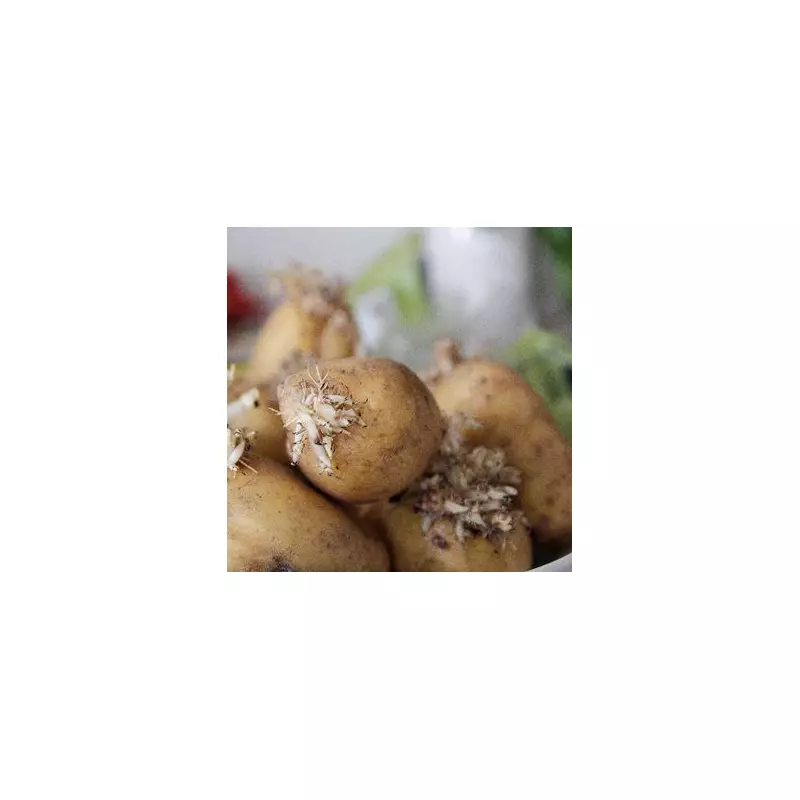
It's a common kitchen annoyance: reaching for a potato only to find it covered in long, unwelcome sprouts. However, food experts have unveiled a remarkably simple storage trick that can significantly prolong the life of your spuds, and it involves a common piece of fruit.
The Perfect Potato Environment
According to specialists at Foodie, the key to keeping potatoes fresh lies in controlling their environment. Storing them in a damp or humid place accelerates sprouting, while a setting that's too cold converts their starch into sugar, creating an overly sweet taste. The optimal solution, they advise, is a cardboard box placed in a cool, dark spot.
This method works because the semi-porous nature of cardboard manages humidity perfectly. Potatoes release moisture as they sit, and the box provides ventilation, allowing this moisture to evaporate rather than pool and cause spoilage. Furthermore, the box acts as a shield against light, which can turn potatoes green and bitter.

The Apple Addition: A Game-Changing Hack
While a cardboard box alone is effective, adding one specific item can boost its power even further. Placing a single apple in the box with your potatoes can extend their shelf life by suppressing sprouting.
This works because apples release ethylene gas. For many fruits and vegetables, ethylene speeds up ripening. However, for potatoes, this gas has the opposite effect, actively inhibiting the development of sprouts. Foodie experts state that after eight weeks stored this way, potatoes are likely to remain firm, moist, and full of flavour.
Sprouting Compared: Box vs. Bowl
The difference this method makes is stark. The experts caution that if potatoes are kept in an open bowl or basket for a similar eight-week period, you may find sprouts several inches long.
In contrast, while some initial, minimal sprouting might occur on certain varieties in the cardboard box after two months, it is far less intense. This means the common dilemma of whether to cut away sprouts or discard the potato is much less likely to arise.
For the best results, remember that the box should be kept in a cool—but not cold—location. The flaps do not necessarily need to be fully closed, allowing for continued air circulation, though the exact setup depends on the box size and its placement in your kitchen or pantry.