Arizona Cracks Down on Groundwater Use as Wells Run Dry in Rural Areas
Arizona Moves to Regulate Rural Groundwater Use

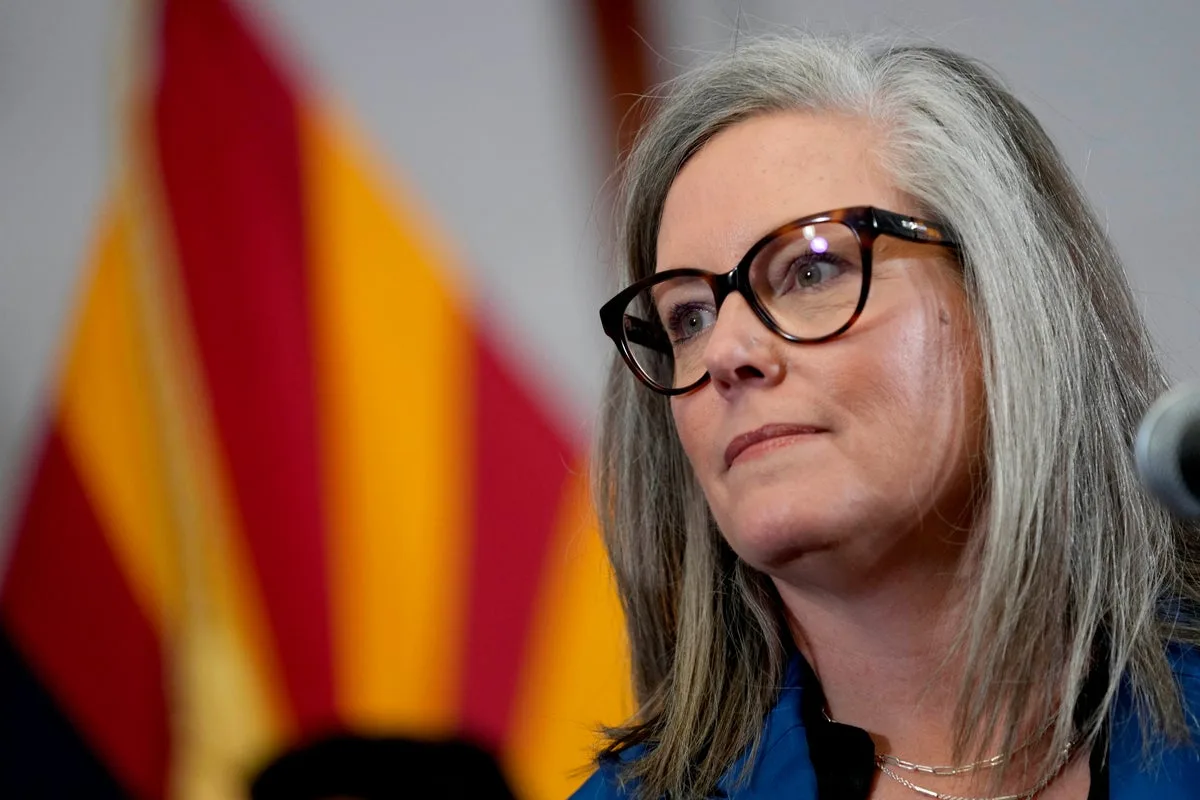
In a significant policy shift, the state of Arizona is moving to impose new groundwater regulation in its parched western regions, where wells are running dry. Governor Katie Hobbs announced the creation of an Active Management Area (AMA) for the Ranegras Plain Groundwater Basin on Monday, 13 January 2026, during her annual legislative address.

New Rules Aim to Slow Depletion

The new designation means water users in the basin, which spans parts of La Paz and Yuma counties, will now face conservation mandates and reporting requirements. The rules, developed by the Arizona Department of Water Resources (ADWR) with local input, are designed to slow the rapid depletion of aquifers, not reverse it. This comes after the ADWR determined that plummeting water levels are causing land to sink, a process known as subsidence, which reduces the basin's capacity to store water.

"We can no longer sit idly by while our rural communities go without help," Governor Hobbs stated. "They deserve solutions and security, not another decade of inaction and uncertainty."

Impact on Residents and a Major Agribusiness

The regulations will affect all users, from local residents to large-scale agricultural operations. Notably, it applies to the Saudi Arabian agribusiness Fondomonte, a subsidiary of Almarai Co., which has drawn water from the basin to grow alfalfa for export. A state map shows land subsidence is most pronounced where Fondomonte farms.

For locals like Kari Ann Noeltner, a Republican chief deputy assessor for La Paz County who lives in the basin, the rules offer a measure of security. "What this does is give us some breathing room that we’re not going to have more straws put into this basin without some serious oversight," she said, while also noting she is saving to dig a deeper well for her own property.

Political Tensions and Legal Challenges

The move highlights ongoing frustration between Hobbs, a Democrat, and the Republican-led legislature. Arizona's groundwater management framework, enacted in 1980, primarily focused on urban areas like Phoenix and Tucson, leaving most rural areas with lax laws. This attracted large farming operations.

Last May, Hobbs toured Fondomonte's farm and called for a legislative deal to offer rural areas a flexible alternative to AMAs, but talks stalled. Some Republicans view the new regulations as a threat to the local economy and property values. The rules are subject to administrative or court challenge.

Philip Bashaw, CEO of the Arizona Farm Bureau, criticised the changes as too stringent, stating everyone, from family farms to large corporations, will face the same limitations. Following the announcement, a Fondomonte spokesperson said the company would abide by all regulations and highlighted its investments in water efficiency.

This is the second such AMA designation Hobbs has made. The state's Attorney General, Kris Mayes, has separately sued Fondomonte, alleging its pumping threatens public health and infrastructure—a claim the company calls unfounded.