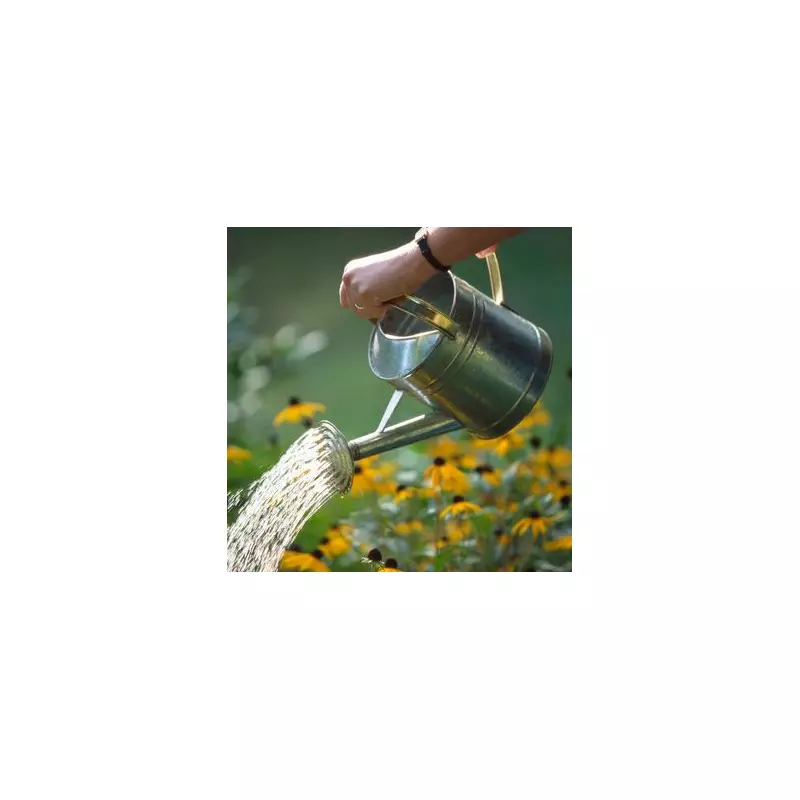
Gardeners seeking to extend the vibrant life of their winter annuals can now turn to a remarkably simple and natural solution found in most kitchens. Instead of purchasing chemical feeds, a common food scrap offers a potent boost for flowering plants.
The Kitchen Scrap Revolutionising Garden Care
Advice shared by green-fingered TikTok sensation Ish, and reported by the Express, highlights an ingenious method to utilise kitchen waste. This approach provides flowers with vital nutrition, potentially lengthening their blooming period significantly before seasonal changes take effect.
Why Banana Peels Are a Gardener's Gold
Among various food waste items, banana peels present surprising advantages for plant health. As Ish explained, bananas are not only a tasty snack but also serve as excellent nourishment for boosting flowers on winter annuals. The peels are rich in essential nutrients that promote robust plant development.

Creating Your Banana Peel Fertiliser: A Simple Guide
The process for making this natural plant feed is straightforward and requires minimal equipment. Begin by taking a clean jar and filling it with water. Next, chop the banana skins into smaller chunks to increase their surface area. Place the pieces into the water and allow them to steep for approximately one to two days.
You will observe the water adopting a brownish tint, which indicates that the beneficial nutrients have leached from the skins into the liquid. This banana-infused water can then be carefully poured onto your plants, delivering a nutrient-rich treat directly to their roots.
Ish added that this should result in a nicer, longer flowering season for your plants. After use, the skin itself can be disposed of in the compost bin, completing a sustainable cycle. The actual banana fruit, of course, remains a free snack for the gardener.
The Science Behind the Scrap: Nutrient Powerhouse
Bananas are densely packed with various nutrients critically beneficial for plant growth and flowering. Potassium is vital for producing vibrant and substantial flowers, while phosphorus supports the development of strong roots and encourages new growth. Magnesium plays a key role in effective photosynthesis, the process by which plants create energy.
The calcium found abundantly in banana skins is equally crucial for healthy plant cell structure and development. Gardening specialist Drew Swainston, writing for Homes & Gardens, elaborated on these benefits.
Swainston stated that these properties make banana peels a good fertiliser for specific circumstances. Potassium encourages both fruiting and flowering, which renders banana peels a great fertiliser for fruit and vegetables like tomatoes or peppers, as well as any flowering ornamental plants. He also noted that the calcium content is a vital nutrient in combating blossom end rot in tomatoes.
An Alternative Method: Dehydrated Peel Powder
If the soaking method does not appeal, an alternative approach involves dehydrating the banana skins to create a dry fertiliser powder, offering the same nutritional advantages. TikTok user The Container Gardener recommended this technique to their audience, explaining that banana skins can be dried using either an oven or an air fryer.
This process needs to be carried out at a gentle heat with the oven door left slightly ajar to allow moisture to escape. The Container Gardener dehydrated them for six and a half minutes at 180 degrees. The skins should become brown and crispy once ready.
The dried peels should then be ground or blended into a fine powder. This homemade fertiliser can be dusted over your soil or directly into plant containers. If you are not applying the fertiliser immediately, store it in an airtight container or jar to preserve its potency.
This natural, cost-effective method empowers gardeners to enhance their blooms sustainably, turning everyday kitchen waste into a valuable resource for a more vibrant and enduring garden display.