A third commercial poultry farm in Nottinghamshire has been confirmed as the site of a serious bird flu outbreak, leading to immediate disease control measures.
Newark-on-Trent Farm Latest to Be Affected
The UK government's Department for Environment, Food and Rural Affairs (Defra) confirmed the presence of highly pathogenic avian influenza (HPAI) H5N1 on Wednesday, 8 January 2026. The infected premises is located near Newark-on-Trent, within the Newark and Sherwood district.
This marks the third confirmed case within a localised area of Nottinghamshire, raising significant concerns among farmers and health officials about the potential for further spread.

Immediate Disease Control Measures Activated
In response to the confirmation, authorities have swiftly declared legal zones around the affected farm to try and contain the virus.
A 3-kilometre (approximately 1.8-mile) protection zone has been imposed, encircling the premises. Within this zone, strict movement controls for birds, products, and vehicles are now in force.
Surrounding that is a larger 10-kilometre surveillance zone, where enhanced monitoring and biosecurity requirements are mandatory for all bird keepers.
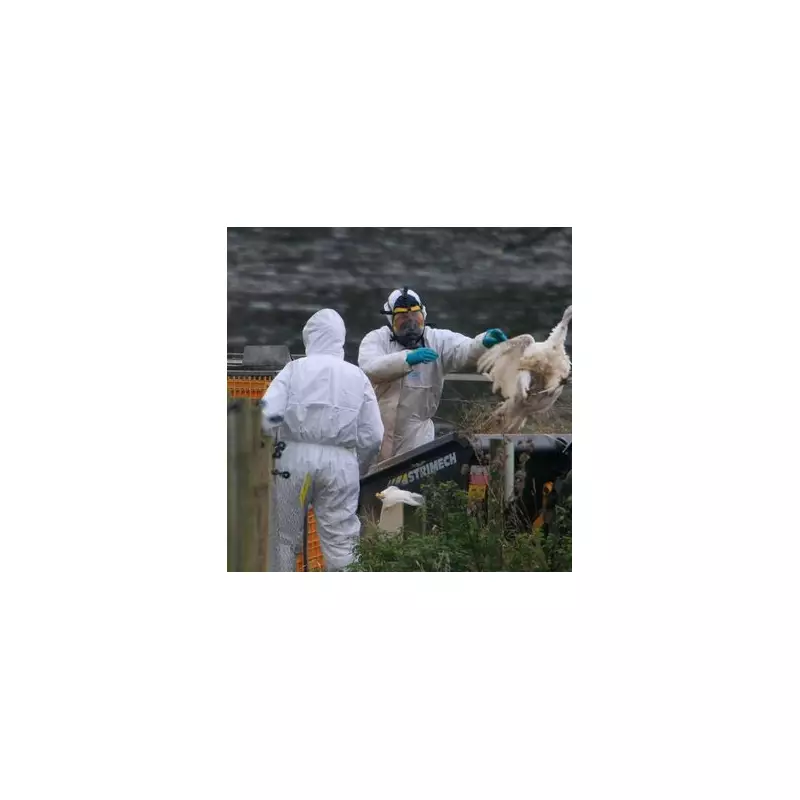
A Defra statement confirmed the grim but necessary outcome for the birds on the site: "All poultry on the premises will be humanely culled." This action is a standard procedure to prevent further suffering and limit viral transmission.
Ongoing Threat to Poultry and Wild Birds
This latest incident underscores the persistent threat posed by avian influenza to the UK's poultry industry and wild bird populations. The H5N1 strain is highly contagious among birds and can lead to severe illness and high mortality rates in domestic flocks.
Officials are urging all bird keepers, from large commercial farmers to small backyard flock owners, to maintain rigorous biosecurity standards. This includes preventing contact with wild birds, regularly cleaning equipment, and controlling access to enclosures.
The Animal and Plant Health Agency (APHA) continues to investigate the source and potential links to previous cases in the region.