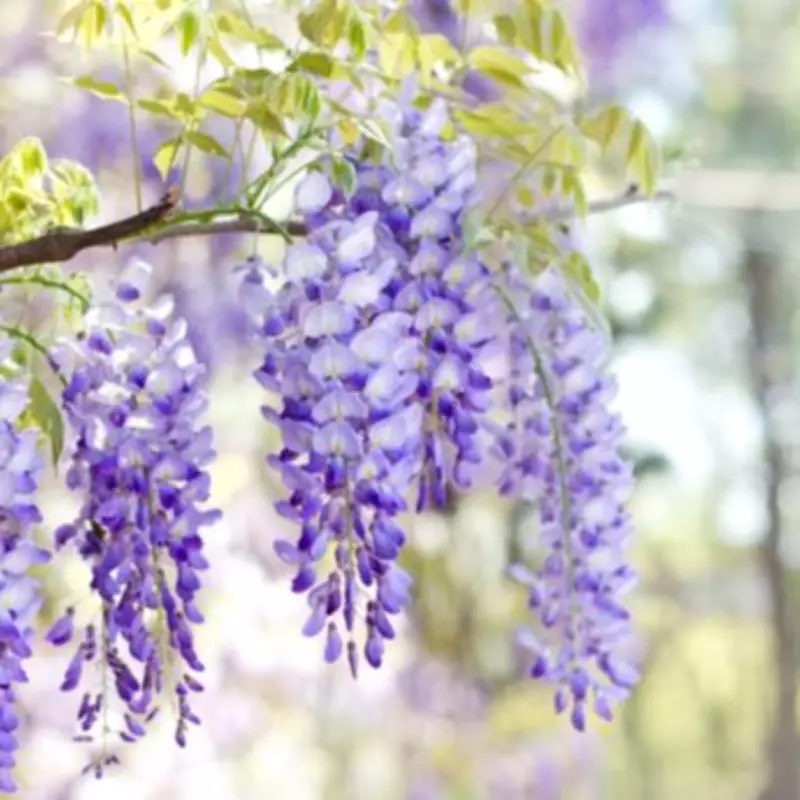
If you are concerned about your wisteria not sprouting new leaves in preparation for its spring bloom, there is no need to worry. With a few straightforward steps, you can give this magnificent plant an extra boost to ensure a spectacular floral display.
Timing and Initial Observations
As May approaches, wisteria typically begins to bloom beautifully, showcasing an abundance of flowers that can be a real showstopper in any garden. By this time, you should notice new leaves emerging on the plant, signalling its readiness to flower. However, if your wisteria has not yet shown these signs, it is crucial to complete three key tasks to encourage more blooms both this season and in the years ahead.
Task 1: Optimal Positioning for Sunlight and Shelter
In a recent TikTok video, gardening expert Ish emphasised the importance of positioning your wisteria correctly. He advised, "If your wisteria hasn't started flowering yet, don't panic, there's still time to get it going, and I'm gonna show you exactly how." First and foremost, ensure the plant is placed in a location where it can bask in generous sunlight—the sunnier, the better. Additionally, try to shield it from excess wind, as this can hinder growth and flowering.

Task 2: Providing a Nutrient-Rich Spring Feed
To promote thicker growth and robust blooms, gardeners should give their wisteria a decent spring feed. Ish recommended using powdered bloodfish or bone, which can be sprinkled on top of the soil and watered in. For those who prefer alternatives, slow-releasing feed pellets are an excellent option. These pellets should be added to the soil, gently mixed in, and then watered to deliver a burst of vital nutrients directly to the plant's roots, strengthening it and aiding in flourishing blooms.
Important Note: Ish warned that dogs are often attracted to the smell of bloodfish or bone feed, so if you use it, bury the feed deep within the soil or cover it with a generous amount of compost to prevent pets from digging it up.
Task 3: Strategic Pruning for Healthier Growth
One of Ish's top tips involves pruning the wisteria, which may seem counterintuitive but is beneficial when done correctly. After about a month of completing the initial tasks, he suggested adding tomato feed to the plant, stating, "Tomato feed massively increases the yields of flowers and vegetables. So, it's a little secret weapon for you." Following this, focus on pruning by trimming off any dead stems. Look out for three types of stems to remove:
- Damaged stems: Cut these right back to promote new growth.
- Diseased stems: Remove any showing signs of fungal infection to prevent spread.
- Dead stems: Identify these by their greyish colour and cut them away at any point throughout the year.
Leaving these stems on the plant wastes energy that could otherwise be directed toward healthy roots and blooming flowers. For young wisteria plants, patience is key, as they can take two to three years to establish before producing abundant blooms.
By implementing these three tasks—optimal positioning, proper feeding, and strategic pruning—you can significantly enhance your wisteria's blooming potential this spring and beyond, ensuring a vibrant and healthy garden display.