Gardening Experts Unanimously Agree on Most Effective Weed Removal Method
Weeds represent one of the most persistent and frustrating challenges for gardeners across the United Kingdom, appearing relentlessly throughout the seasons and threatening to overrun carefully cultivated plots. However, leading horticultural specialists have now revealed their consensus on the most effective approach to both removing these invasive plants and preventing their unwelcome return.
The Manual Removal Consensus
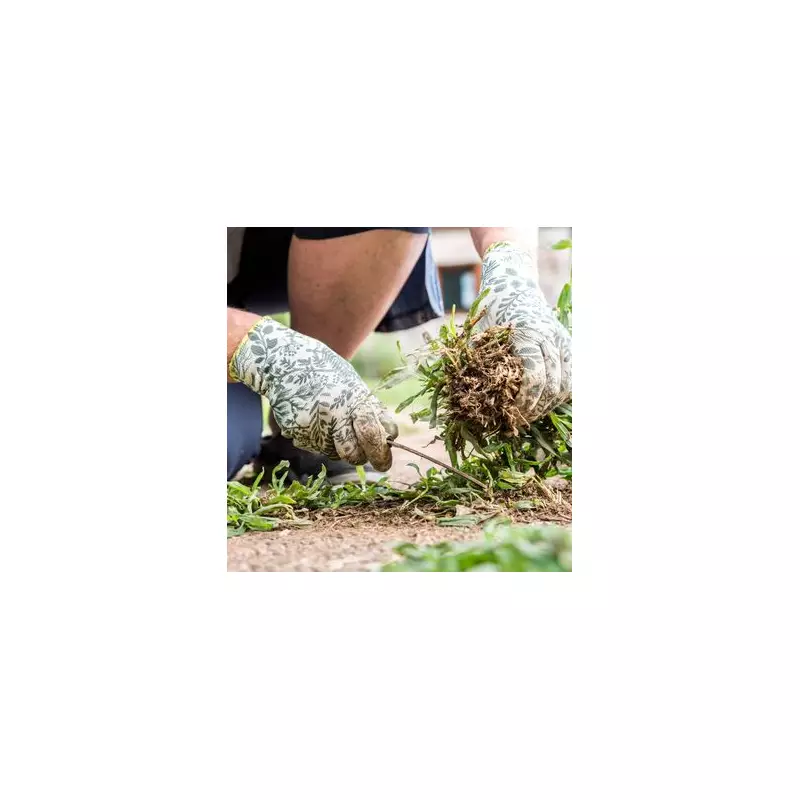
Robert Witcomb, a sustainable gardening expert from eComposite Products, explains the fundamental principle behind effective weed management: "Weeds are persistent because they exploit bare soil and disruption, so the most effective removal strategies focus not just on killing weeds, but on preventing their return. For small gardens, manual removal remains one of the most reliable methods, especially when weeds are pulled out completely by the root after rainfall, when the soil is softer."
This sentiment is echoed by Loren Taylor, owner of Soothing Company, who advises: "One of the best ways to get rid of weeds is to pull them out with your hand. That is easier to do after rain because then the soil is softer and the root comes out more easily. You must pull out the entire weed including the root because otherwise it will grow again."

Taylor further recommends using a small garden knife for deeper weeds to ensure complete root extraction without damaging surrounding plants, alongside weekly light soil cultivation between plants to disrupt new weed growth before it becomes established.
The Crucial Follow-Up: Mulching
While manual removal effectively eliminates existing weeds, experts unanimously stress that this action alone is insufficient for long-term control. Robert Witcomb emphasises: "Mulching is one of the most underrated tools: organic mulches suppress light, retain moisture, and gradually improve soil health, making conditions less favourable for weeds."
Loren Taylor provides detailed guidance on proper mulching technique: "After you pull the weeds, you cover the soil with mulch. Mulch is material like shredded bark and wood or little pieces of wood that are placed around the plants. It blocks sunlight so that new weeds cannot grow and helps the soil stay moist. Usually we put a layer of mulch five to seven cm thick and change it once a year. In places where there are plants, like flower beds, we use mulch with special fabric underneath to additionally prevent weed growth."
Stephanie Harrod, founder of Harrod Horticultural, reinforces this approach, noting that hand removal after rainfall when soil is loose provides the cleanest root extraction, particularly crucial for perennial weeds that will rapidly regenerate from any remaining root fragments.
Alternative Approaches and Cautions
For those seeking supplementary weed control methods, Erik Collado Vidal, a seasoned horticulturalist and CEO of Growbarato.net, suggests: "One of the simplest ways to fight weeds is by using vinegar. Vinegar acts as a natural herbicide because it dries out the leaves and destroys plant cells. It should be sprayed on a sunny day, directly onto the weeds. It is important not to spray surrounding plants, because vinegar does not choose what it destroys. This method should also not be used often in vegetable gardens, as it can affect soil quality."
Robert Witcomb adds important context regarding chemical alternatives: "Chemical weedkillers can be effective, but they should be used cautiously. Overuse can damage surrounding plants, harm soil biodiversity, and create long-term resistance. Boiling water or vinegar-based solutions can work on driveways and patios, but they're far less suitable for lawns or planted beds where collateral damage is likely."
The expert consensus clearly indicates that successful weed management requires a two-stage approach: thorough manual removal followed by strategic mulching to create an environment where weeds cannot easily re-establish. This combination addresses both immediate removal and long-term prevention, offering gardeners a sustainable solution to one of their most persistent challenges.