Cheshire farmer confronts new infrastructure threat after HS2 reprieve
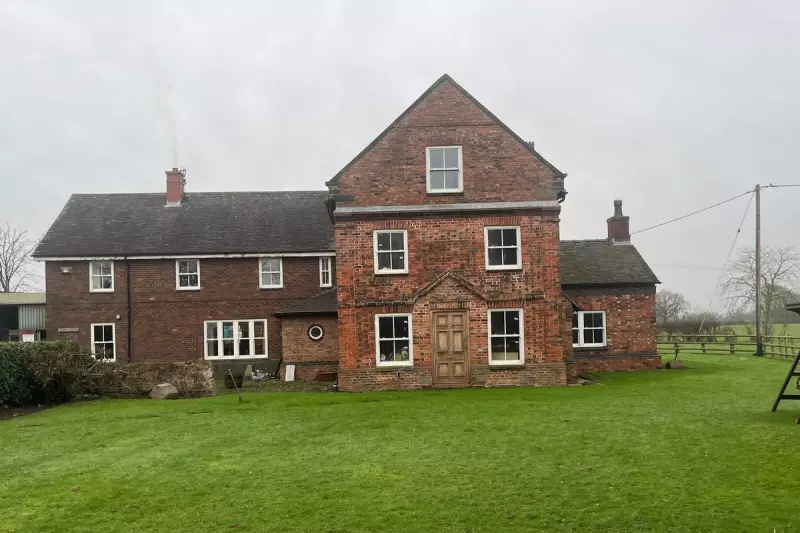
A dairy farmer in Cheshire who successfully navigated years of uncertainty surrounding the now-scrapped HS2 high-speed rail line now faces a fresh challenge: a substantial underground carbon capture pipeline that could split his family farm in two.
Peter Oakes, who operates Park Farm near Middlewich, received notification about the proposed 300-metre-wide pipeline corridor that would traverse his 160-acre property. This development arrives just as the agricultural community grapples with multiple pressures, including falling milk prices and the phased reduction of European Union-linked subsidies.
From rail lines to pipelines: A continuing saga
The proposed pipeline forms part of the Peak Cluster project, which aims to transport captured carbon dioxide from cement and lime production facilities in Staffordshire and Derbyshire to storage sites beneath the Irish Sea. Described as the world's largest cement decarbonisation initiative, the project received £28 million from the government's National Wealth Fund last year.

Chancellor Rachel Reeves has championed the scheme as a means to modernise British industry, generate employment opportunities, and establish essential carbon capture infrastructure. However, for farmers like Mr Oakes, whose family has worked the land for over 120 years, it represents another potential disruption following years of HS2-related uncertainty.
"It's a real hard time for us all at the moment," Mr Oakes told The Independent. "You can imagine how I felt when I got told they want to put down a huge underground pipeline across my land. There is very little support from the government for people like us who are having one thing after another thrown our way."
Safeguarding measures and agricultural pressures
Despite the cancellation of the Crewe to Manchester HS2 segment two years ago, much of Mr Oakes' land remains subject to safeguarding measures. These regulations require consultation with HS2 regarding any development or sale, preserving the land for potential future infrastructure projects.
Complicating matters further, ministers recently announced long-term proposals for a new Birmingham to Manchester railway, adding another layer of uncertainty for landowners across the region.
Mr Oakes described the cumulative impact as "distressing and causing hurt for the family," adding: "The last thing we now want is for our land to be dug up."
Compensation challenges and pipeline specifics
HS2 has offered the 42-year-old farmer more than £1 million through a statutory blight process, which enables property owners in safeguarded areas to sell to the government. However, Mr Oakes has struggled to identify a suitable alternative farm for purchase and remains reluctant to sever his family's longstanding connection to the land.
Peak Cluster, the company spearheading the pipeline project, has initiated a consultation process this month regarding the proposed route. While mapped plans indicate a 300-metre-wide corridor, company representatives clarify that actual construction would require a trench of up to 40 metres in width, with work typically spanning six months.
John Egan, chief executive of Peak Cluster, emphasised the company's approach: "We have attempted to identify and contact all potentially affected landowners within the 300m wide corridor of the proposed underground pipeline route. We will attempt to reach voluntary agreement with all landowners and will only seek to use compulsory access or acquisition powers where this is unsuccessful."
The company has committed to reinstating agricultural land following construction and ensuring existing drainage systems continue to function properly. "When construction ends, just as with other pipelines under our feet, the land will look and feel just as it did before," Mr Egan added.
Consultation timeline and ministerial oversight
Following the current consultation period, a further round of engagement is scheduled for later this year. A final decision regarding the pipeline project will rest with ministers, expected within the next two years.

For dairy farmers across Cheshire and beyond, this development represents another chapter in the ongoing tension between national infrastructure priorities and agricultural preservation. As carbon capture technology advances and transport networks evolve, the balancing act between environmental progress and rural livelihoods continues to present complex challenges for policymakers and communities alike.