Transforming Small Spaces into Fragrant Winter Gardens
Even the most compact courtyard or patio garden can become a sensory delight during the colder months, with carefully chosen scented plants filling the air with their rich perfumes. For those with limited outdoor space, the winter season offers unique opportunities to create an aromatic oasis that brings joy and vitality to the greyest of days.
The Power of Winter Fragrance
As horticulturist Tony Hall, head of arboretum and temperate collections at the Royal Botanic Gardens, Kew, explains, winter-flowering plants often possess stronger scents than their summer counterparts. "Plants that flower in the winter have much stronger perfumes because plant scent is there to attract bees to the pollen," Hall notes. "They have to try hard to attract the fewer things that are flying around." This biological adaptation means winter gardens can deliver surprisingly intense aromatic experiences, even in the smallest of spaces.
Mastering Container Gardening
For gardens dominated by hard-standing surfaces or limited soil areas, containers offer the perfect solution for introducing winter fragrance. Hall recommends strategic placement near patio doors and windows where their scent can be fully appreciated indoors. The technique of "nesting" containers together in groups of varying sizes and heights creates visual interest while maximising fragrance impact.

When selecting compost, Hall advises: "If you are planting up a container just for winter interest that isn't particularly for scent, you can just use a peat-free multi-purpose compost, but if you are planting shrubs, then you need a soil-based compost like John Innes No 3." Proper drainage is crucial for winter containers - using crocks in the bottom and elevating pots on feet prevents waterlogging and frost damage.
Container shrubs require minimal maintenance, typically needing only annual pruning and repotting every four to five years as they outgrow their containers.
Growing Vertically in Limited Spaces
Even the smallest gardens can accommodate fragrant climbers trained against walls or trellises. Wintersweet (Chimonanthus praecox), described by Hall as "one of the most highly scented of all the winter-flowering plants," thrives in containers with peat-free soil-based compost when grown tight against a wall. This approach allows the plant to reach two to three metres in height while occupying minimal ground space.
Wintersweet requires full sun in a warm, sheltered position against a south-facing wall, producing its fragrant, creamy white flowers on bare stems during January and February. The 'Luteus' variety offers beautiful yellow blooms for those seeking colour variation.
Selecting Appropriate Specimens
Choosing the right plants for small gardens requires careful consideration of ultimate size. Hall advises: "If you have a small garden, it's no good choosing a plant that's going to get to four or five metres in a pot, because it's always going to be struggling." Instead, opt for specimens that will mature between half a metre and 1.5 metres, requiring only annual pruning to maintain their shape and health.
Top Scented Plants for Winter Gardens
Hall recommends several excellent choices for creating fragrant winter displays:
Wintersweet (Chimonanthus praecox)
"This will fill an average-sized courtyard garden with scent," says Hall. "You can probably smell them from about 10 metres away. Even when the flowers have got frost on them you can still smell them." These deciduous shrubs produce bowl-shaped, many-petalled flowers on bare stems from January through February, emitting a sweet, heady fragrance.
Sarcococca
This evergreen shrub offers the bonus of year-round foliage alongside highly scented white flowers followed by shiny black berries. Hall notes that Sarcococca typically requires pruning only every two to three years when grown in containers.
Daphne
Available in both deciduous and evergreen varieties, Daphnes come in colours ranging from pure white through pink to dark pink. Their upright growth habit makes them ideal for small borders or containers, where they can be appreciated at close quarters.

Edgeworthia chrysantha (Paperbush)
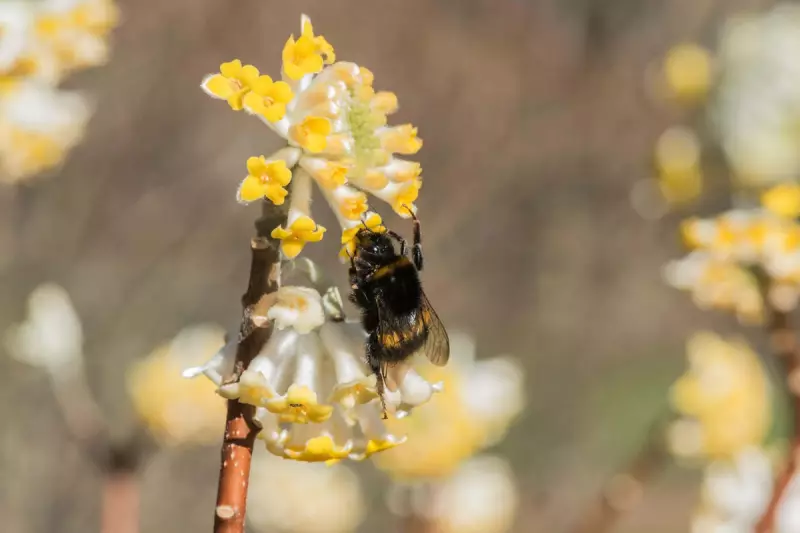
This unusual, slow-growing deciduous plant produces heavily scented creamy yellow flowers. The 'Red Dragon' variety offers red blooms and even slower growth, flowering through February. Hall cautions against Edgeworthia grandiflora for small gardens due to its rapid growth rate.
Viburnum
Most viburnum varieties are scented, with Viburnum carlesii 'Diana' being particularly suitable for containers. This deciduous type features a nice rounded shape and flowers from March onwards.
Hamamelis vernalis
This species of witch hazel produces smaller but more fragrant flowers than the larger intermedia hybrids, making it better suited to small gardens while still emitting that familiar sweet and spicy scent.
Small-Scale Solutions
For those with only window boxes available, scented narcissi such as paperwhites provide excellent fragrance options. Small daphnes and viburnums can also thrive in compact pots, while underplanting shrubs with fragrant bulbs creates layered aromatic experiences.
Avoiding Scent Overload
Hall offers a crucial warning about fragrance balance: "If you have a small courtyard and you put in some daphnes, sarcococca, wintersweet and viburnums, the scent would be almost too much, because they would all be scented at the same time, slightly different perfumes, all quite powerful."
Instead, he recommends combining scented plants with non-fragrant partners such as winter-flowering hellebores, Skimmia Rubella, Eranthis and Iris sibirica. Ground cover plants like Euonymus can enhance the visual appeal without adding to the aromatic intensity.
With careful planning and appropriate plant selection, even the smallest outdoor space can become a winter sanctuary filled with delightful fragrances that lift the spirits during the coldest months.