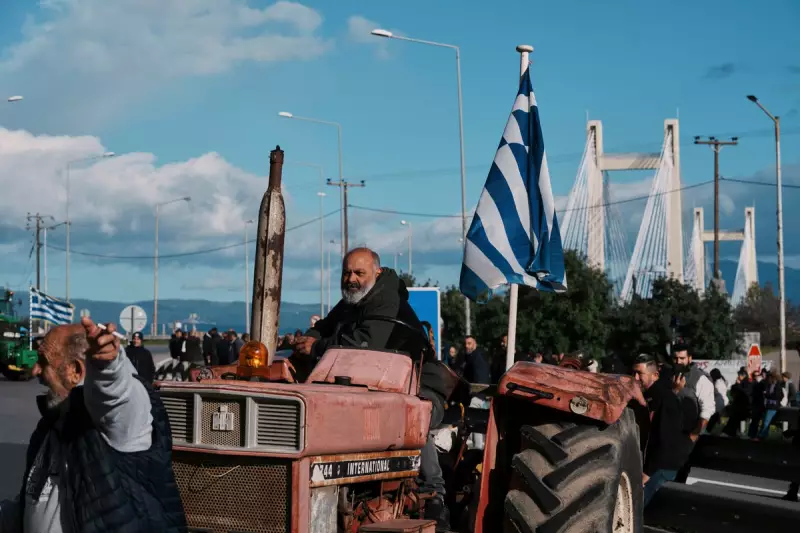
Farmers across Greece have dramatically intensified their ongoing demonstrations, initiating a widespread 48-hour blockade of major highways, junctions, and toll stations from Thursday, 8 January 2026.
Highways Brought to a Standstill
The nationwide action saw convoys of tractors shutting down critical transport arteries, including the primary motorway linking Athens with Thessaloniki, which was closed at multiple points. Police, while not moving to dismantle the protests, managed traffic by diverting vehicles to alternative routes where possible. Only emergency services were permitted through the barricades.
Yiannis Baritas, a cabbage farmer and father of five, captured the mood at a roadblock in southern Greece, stating, "We've reached a breaking point. We'll stay here as long as it takes to support our families. They've pushed us to desperation."

Roots of the Discontent: Costs and a Contentious Trade Pact
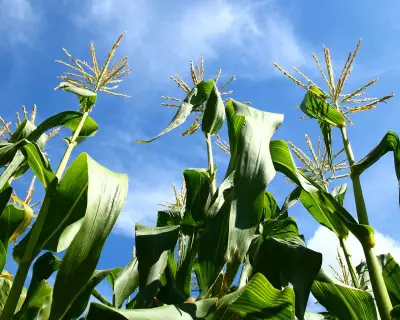
The protests, which began in November, are driven by a dual crisis facing the agricultural sector. Firstly, soaring production costs have been exacerbated by a subsidy fraud scandal that delayed vital payments and an outbreak of sheep and goat pox.
Secondly, and crucially, farmers are vehemently opposing the proposed EU-Mercosur trade agreement with South American nations, including Brazil and Argentina. They fear the deal would swamp the European market with cheaper imports, undercutting local producers.
"If this agreement goes through, Greek agriculture is finished," warned protest organiser Vangelis Roubis. "Greece depends on agriculture and tourism... Production costs here are 300% higher than in Latin America." He highlighted potatoes as a stark example, where Greek farmers need 35-40 cents per kilogram to break even, compared to roughly 10 cents in Brazil.
Government Response and Wider EU Unrest
In a bid to avert the latest escalation, the conservative government announced a series of last-minute concessions on Wednesday, including cheaper electricity rates for farmers and fuel tax rebates. However, it has also warned it will not tolerate extended blockades.
The discontent is not isolated to Greece. Similar fears over the EU-Mercosur pact have triggered farmer protests in other European Union countries, including parallel demonstrations in France on the same Thursday. The Greek protesters have expressed a desire for their nation to join the bloc of EU countries rejecting the proposed trade deal entirely.
The Associated Press contributed to this report from Malgara, Kastro, and Halkida.