As Valentine's Day approaches, many people find themselves contemplating the traditional bouquet of red roses. While undeniably classic, roses can be expensive and short-lived. For those seeking a more enduring and distinctive expression of affection, the plant world offers a delightful array of botanical options that literally wear their hearts on their leaves and flowers.
Romantic Alternatives to Traditional Blooms
This season of romance presents a perfect opportunity to explore the diverse selection of plants featuring heart-shaped foliage and blossoms. These living gifts can provide beauty and sentiment far beyond the typical lifespan of cut flowers, appealing to both outdoor gardeners and indoor plant enthusiasts alike. From delicate perennials to striking succulents, there is a heart-shaped plant to capture every imagination.
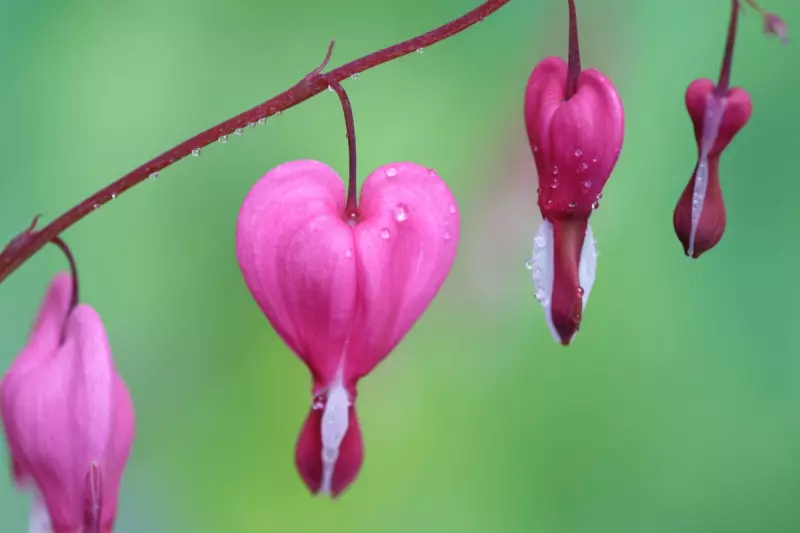
Bleeding Heart (Lamprocapnos spectabilis)
This beautiful perennial, formerly classified as dicentra, produces arching stems adorned with rows of delicate, heart-shaped flowers during late spring and early summer. Reaching heights of approximately 90cm, bleeding hearts thrive in semi-shaded areas where their romantic blooms create a captivating display.

For gardeners who prefer alternatives to pink or red, the elegant white 'Alba' variety offers a sophisticated option. These plants pair beautifully with low-growing companions such as saxifrages and hellebores, creating charming garden vignettes.
Growing tips: Bleeding hearts prefer cool, moist, and sheltered conditions, though they can also adapt to sunny borders. To extend their flowering period, protect them from intense midday heat and maintain consistent soil moisture. These plants form long-lasting clumps and generally resent being transplanted once established.
Hoya Kerrii (Sweetheart Plant)
Commonly known as the sweetheart plant due to its distinctive fleshy, heart-shaped leaves, this popular houseplant has become a Valentine's Day favourite. Native to Thailand and southern China, Hoya kerrii can develop into a substantial specimen when provided with appropriate growing conditions.
Garden centres frequently offer single heart-shaped leaf cuttings planted in small pots, but these often fail to develop into full plants as they lack proper stem tissue. For a plant that will actually grow, seek out specimens with established root systems and multiple visible leaves. Mature plants may reward careful cultivation with clusters of star-shaped cream and red flowers.
Growing tips: As a succulent, Hoya kerrii requires careful watering. Allow the soil to dry thoroughly between waterings, applying moisture directly to the soil rather than the leaves. Position the plant in bright, indirect light, avoiding direct sunlight, radiators, and draughty locations.
String of Hearts (Ceropegia woodii)
Originating from South Africa and Zimbabwe, this trailing succulent features slender stems bearing delicate heart-shaped leaves with grey-green upper surfaces and pinkish undersides. Its cascading growth habit makes it ideal for hanging baskets or elevated shelves, where it can be combined with other trailing plants like string of pearls or string of dolphins.
Growing tips: String of hearts requires a careful watering regimen, with the soil allowed to dry completely between waterings. Avoid waterlogged conditions that can lead to root rot. If leaves begin to yellow, remove affected foliage and withhold water until the soil is thoroughly dry. Feed with a balanced houseplant fertiliser twice annually and maintain the plant in bright, indirect light, rotating periodically for even growth.
Anthurium Andraeanum (Flamingo Flower)
Native to South America and the Caribbean, this tropical houseplant is immediately recognisable by its glossy, heart-shaped red spathes (often mistaken for flowers) surrounding prominent yellow or cream spikes. Available in various colours including pink, orange, and white, anthuriums provide a dramatic splash of colour to interior spaces.

Growing tips: To replicate their natural warm, humid habitat, position anthuriums in bright locations away from direct sunlight. Use fast-draining, peat-free acidic soil and water with room-temperature rainwater, allowing the top third of the soil to dry between waterings. Avoid cold tap water which can shock the plant. For humidity maintenance, bathrooms provide ideal conditions, or regular misting can help.
Indoor Cyclamen
Offering a charming alternative to Valentine's bouquets, indoor cyclamen feature delicate flowers in shades of red, pink, and white rising above attractive green and grey heart-shaped leaves. With proper care, these plants can provide up to six weeks of continuous blooms, significantly outlasting traditional cut flowers.
Growing tips: Cyclamen prefer cool conditions and should be kept away from heat sources like radiators. During frost-free periods, they can be placed in cool conservatories, greenhouses, or covered porches. Water carefully from below by placing the pot in a shallow bowl of water, allowing the soil to absorb moisture, then draining thoroughly. Allow the soil to partially dry between waterings.
A Living Expression of Affection
These heart-shaped plants offer more than just seasonal decoration; they represent a thoughtful, living alternative to conventional Valentine's gifts. Whether chosen for their symbolic foliage, beautiful blooms, or enduring nature, each variety provides a unique way to express affection that continues to grow and flourish long after 14th February has passed.