The Hydrangea Pruning Error That Robs Your Garden of Summer Colour
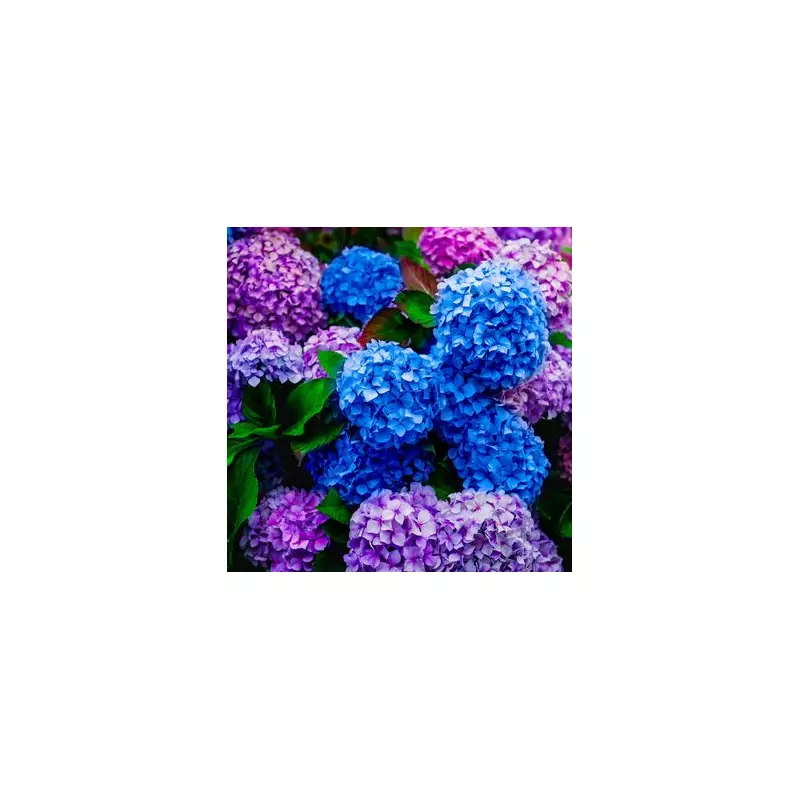
Hydrangeas remain one of Britain's most cherished flowering shrubs, celebrated for their spectacular summer displays and remarkable colour transformations throughout the seasons. These versatile plants can brighten gardens with vibrant early blooms that gradually mature into subtle winter hues, providing year-round visual interest. However, a widespread misunderstanding about pruning timing is leaving countless gardeners with disappointingly flowerless plants.
When Good Intentions Go Wrong: A Gardener's Tale
One perplexed gardener recently shared his experience on the popular Hydrangeas in the UK Facebook group after following what seemed like sound advice. Matthew Roberts explained how his hydrangea macrophylla specimens had produced abundant healthy foliage but virtually no flowers for two consecutive years. "The only thing I can think I have done differently was to be quite 'keen' on pruning back both plants a couple of years ago under the advice of a landscape gardener," he wrote.
Roberts described his dilemma: "Since then, the plants have turned into very large healthy-looking plants with lovely healthy-looking green leaves, but little or no flowers. Have I done something wrong when I aggressively cut them back?" His situation highlights a common predicament - how to maintain plant size without sacrificing the very blooms that make hydrangeas so desirable.

Understanding Hydrangea Macrophylla's Unique Flowering Pattern
The crucial factor many gardeners overlook is that different hydrangea varieties flower on different types of wood. Hydrangea macrophylla, the popular mophead and lacecap varieties found in countless British gardens, blooms exclusively on "old wood" - meaning flower buds form on stems grown during the previous season.
"For optimal flowering, hydrangea macrophylla should be pruned shortly after the blooms have faded in late summer," explains gardening expert Holly Maidens. "This gives the plant time to sprout fresh growth where next year's flower buds will form. If you prune in spring, you'll forfeit that year's blooms entirely."
Practical Solutions from Experienced Gardeners
Seasoned hydrangea enthusiasts offered various approaches to maintaining these plants without compromising their floral display:
- Minimal Intervention: Julie Prescott advocates a hands-off approach: "I never prune mine and get glorious blooms every year. I just deadhead in spring, then just leave them alone."
- Strategic Size Control: Wendy Hocking suggests accepting some size limitations: "One of my bushes gets too large, and I find it difficult to keep its size down without removing flower buds." She recommends sacrificing blooms on selected stems to manage plant dimensions.
- Selective Pruning: Some gardeners recommend cutting back only one-third of stems annually, accepting flower loss on those particular branches while gradually controlling overall plant size.
The Critical Difference Between Pruning and Deadheading
Expert Luis Lluch emphasises the important distinction between pruning and deadheading: "Deadheading of spent blooms - not the same as pruning - can be done safely without impacting blooming or winter protection." He recommends deadheading in late winter or simply allowing spent blooms to fall naturally.
For proper deadheading technique, Lluch advises: "To deadhead, cut above the first pair of leaves. If the stem is leafless, cut the string that attaches each bloom to the stem." This approach removes unsightly spent flowers without damaging next year's developing buds.
Alternative Approaches for Size Management
For gardeners struggling with space limitations, several strategies can help manage hydrangea size:

- Rejuvenation Pruning: Cutting the entire plant back hard, accepting that you'll lose blooms for one season but creating a more manageable framework for future years.
- Strategic Placement: As Lluch notes, "This species of hydrangea is best sited where it can attain its estimated size at maturity and then rarely pruned." Choosing appropriate planting locations from the outset prevents future size conflicts.
- Timed Reduction: Pruning immediately after flowering ceases in spring or early summer, during the brief window before next year's flower buds begin forming.
The consensus among experienced UK gardeners is clear: understanding your hydrangea's specific flowering pattern is essential for successful cultivation. By avoiding ill-timed pruning and embracing more selective maintenance approaches, British gardeners can ensure their hydrangeas deliver the spectacular summer displays these magnificent shrubs are renowned for producing.