Los Saldos Review: A Cinematic Journey to Reconnect with Spanish Farming Heritage
Raúl Capdevila Murillo's debut documentary, Los Saldos – which translates to Remainders – offers a poignant and visually striking exploration of one man's return to his roots in rural Spain. The film, set to premiere on True Story from 30 January, masterfully blends personal narrative with broader social commentary, capturing the fragile existence of traditional farming communities facing the relentless march of industrial progress.
A Prodigal Son's Return to a Vanishing World
From its opening moments, Los Saldos establishes a tone that is both epic and intimate. With bold yellow titles splattering across a dusty horizon and a rousing musical score, the documentary evokes the grandeur of a classic western. Yet, instead of gunfights and outlaws, the conflict here is far more subtle and profound. Capdevila Murillo himself is the prodigal son, returning from the bustling urban landscape to the agricultural heartland of Binéfar in north-eastern Spain.
The director's journey is not merely a physical one; it is an emotional and cultural reawakening. Through the lens of his camera, we are invited to witness the daily rhythms of a way of life that is increasingly under threat. The film's widescreen cinematography lends a majestic quality to ordinary scenes, transforming mundane activities into moments of quiet beauty and significance.

Portrait of an Endangered Existence
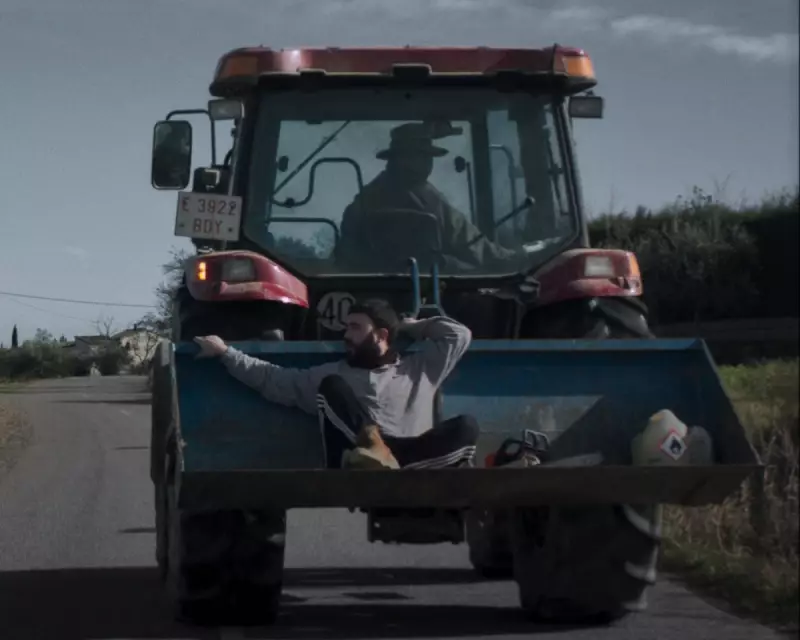
At the centre of the documentary is José Ramón, the film-maker's father, whose daily routine embodies the steadfast dedication of generations of farmers. We follow him as he drives his pickup truck across the land, tends to his crops, and cares for his animals. The pace is deliberately slow and languid, mirroring the patient, cyclical nature of agricultural life.
However, this tranquillity is juxtaposed with an underlying tension. The community is abuzz with news of a major meat-product company planning to construct a macro abattoir in the area. This looming development hangs over Binéfar like a dark cloud, with radio and television reports amplifying the sense of unease. The film captures protracted discussions among neighbours, such as a debate over a new water tank, highlighting how even small decisions are weighed against the backdrop of larger, existential threats.
Reconnecting with Heritage Through Story and Soil
Los Saldos transcends being a simple portrait of an endangered profession; it delves deep into the emotional journey of rediscovering one's heritage. Capdevila Murillo relearns his family's farming history not through books or lectures, but through the physical act of working the land. This hands-on reconnection is powerfully evocative, grounding the narrative in tangible experience.
The film also beautifully illustrates the importance of oral tradition and storytelling. In one particularly moving segment, the director's grandmother passes down tales of ancestral healing rituals, including an anecdote about a local witch renowned for removing warts. This folklore serves as a metaphor for the community's relationship with the land – a connection that is both practical and mystical. The proposed abattoir, described as an unsightly growth on the lush landscape, represents a modern malady for which there is no magical cure.
A Timely Reflection on Progress and Preservation
As the forces of capitalism advance, Los Saldos poses urgent questions about what is lost in the name of progress. The documentary does not offer easy answers, but instead presents a nuanced, heartfelt plea for the preservation of cultural and agricultural heritage. It is a film that resonates far beyond the borders of Spain, speaking to universal themes of identity, belonging, and resistance in the face of change.
With its compelling narrative, stunning visuals, and emotional depth, Los Saldos is a significant addition to the genre of documentary film-making. It is a testament to the power of personal storytelling and a reminder of the enduring value of our roots, even as the world around us transforms.