Monty Don's Five-Minute January Gardening Task Delivers Remarkable Results
January typically brings the first promising signs of fresh garden shoots, offering that much-needed early motivation to venture outdoors and address essential horticultural chores. For those who, like myself, have been procrastinating on winter gardening duties, Monty Don's brilliantly straightforward mulching task deserves immediate attention – it required barely five minutes of my time yet made a tangible difference.
The Expert Recommendation That Changed My Approach
While browsing Monty Don's authoritative gardening blog for January guidance, I discovered his firm declaration that mulching ranks among the best tasks to undertake this month. Taking his expert advice to heart, I applied mulch around my roses and hydrangeas specifically to enrich soil nutrients and effectively lock in precious moisture.
Mulching involves spreading a protective material – such as compost, well-rotted manure, cardboard, or even seaweed – across the soil surface to give plants substantial support. This simple technique creates a barrier against temperature extremes while gradually improving soil structure as organic materials decompose.

Implementing Monty Don's Specific Mulching Guidance
The celebrated horticultural expert emphasizes that consistent principles apply to successful mulching. His detailed guidance states: "Use a well-rotted organic material such as mushroom compost, garden compost or bark chips (we use pine bark on the grass borders for a little extra acidity) and be generous with it."
He further advises: "Spread the mulch around all existing plants at least two inches thick, and twice that is twice as good. In principle, the thicker the mulch is, the better it will do its work, so it is more effective to mulch half the garden every other year well than all of it annually but inadequately."
My Personal Mulching Experience and Observations
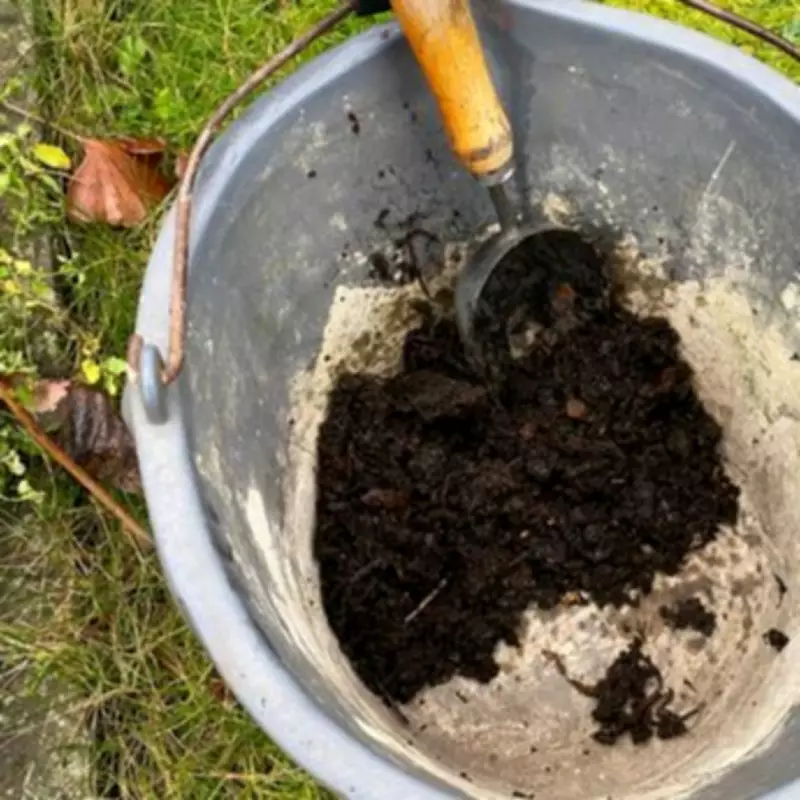
For my roses and hydrangeas, I selected garden compost from my own composting system. My compost heap incorporates various organic materials including fruit and vegetable peelings, used tea bags, grass clippings, and assorted garden waste that breaks down into rich, nutrient-dense humus.
The crucial mistake to avoid this January, according to gardening wisdom, is applying mulch when the ground is either frozen solid or excessively waterlogged. While I spread my mulch when the soil retained some moisture, conditions weren't sodden, and temperatures remained reasonably temperate for winter gardening.
My mulching process began with clearing persistent weeds sprouting near the plants, followed by applying a consistent two-inch layer of garden compost around their bases. This minimal investment of time and effort has already yielded noticeable improvements in plant vitality and soil condition.
The Transformative Impact of Simple Garden Maintenance
This experience demonstrates how following expert gardening advice – even through brief, focused tasks – can produce significant benefits. Monty Don's recommendation proves that effective garden care doesn't necessarily require hours of labor but rather strategic, well-timed interventions.
The visible difference in my roses and hydrangeas following this five-minute mulching task serves as powerful motivation to continue implementing such manageable gardening practices throughout the year.