Keep Basil and Kitchen Herbs Thriving All Year with One Simple Weekly Task
Fresh herb plants can transform your cooking with vibrant flavours and prove more economical than dried alternatives over time. However, many gardeners struggle to keep these delicate plants alive indoors. With one straightforward weekly routine, you can ensure your basil, coriander, rosemary, and mint flourish continuously.
The Essential Weekly Maintenance for Herb Survival
Maintaining a healthy indoor herb garden requires just about five minutes of attention each week. The key lies in understanding the two distinct categories of herbs: leafy varieties and woody Mediterranean types. Mistaking their needs often leads to plant failure.
Leafy herbs feature soft, green stems that bend easily between your fingers. Common examples include basil, parsley, coriander (also known as cilantro), and mint. These plants demand more frequent hydration, typically requiring watering approximately twice weekly when the soil feels dry to the touch. They visibly signal thirst through wilting leaves.

Woody herbs possess stiff, shrub-like stems that resist bending without breaking. Rosemary, thyme, oregano, and sage belong to this category. Naturally adapted to hot, rocky environments, they thrive with minimal watering—once every seven to fourteen days, or when their foliage becomes crisp.
Optimal Placement and Seasonal Adjustments
While many place herbs on kitchen windowsills, they perform best at your home's brightest window. Herbs require abundant sunlight to flourish. Consistently clean windows to maximise light penetration, and consider moving plants to a south-facing window if leaves begin wilting, as this orientation receives maximum sunshine.
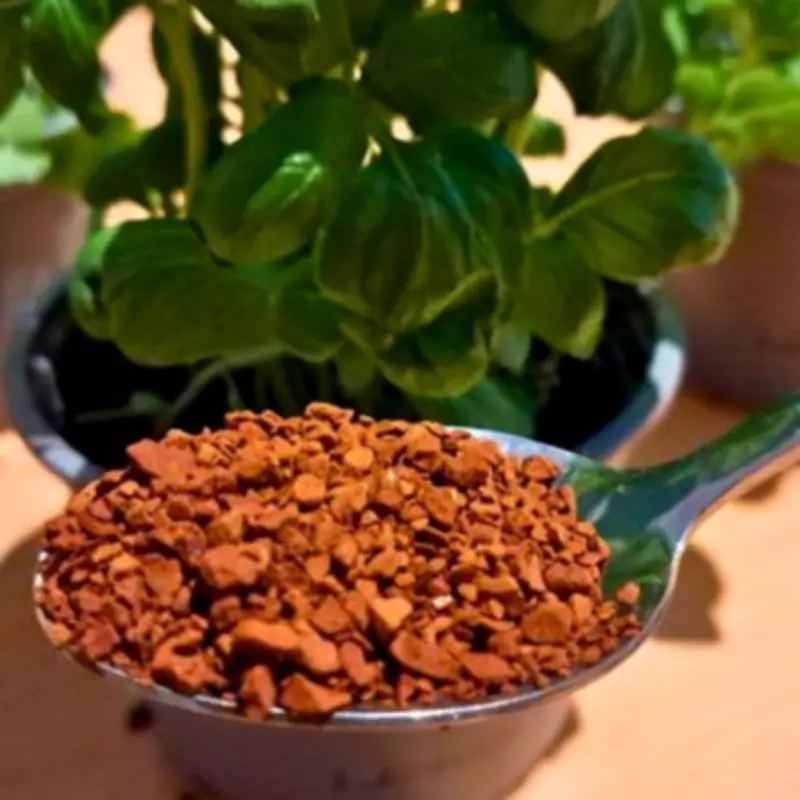
With spring's arrival, leafy herbs benefit from additional nitrogen to support growth. Incorporating modest amounts of coffee grounds into their soil monthly provides this essential nutrient, stimulating leaf expansion and enhancing sunlight absorption. Conversely, woody herbs like rosemary thrive in nutrient-deficient soil and generally require no fertilisation.
Long-Term Success with Minimal Effort
By simply watering herbs at appropriate intervals and rotating them toward the sunniest window, you can maintain a vibrant herb garden throughout winter and beyond. Recognising the fundamental differences between leafy and woody herbs and tending to them accordingly is crucial for ensuring their survival and productivity.
This straightforward approach allows even novice gardeners to enjoy fresh, aromatic herbs year-round with minimal maintenance, transforming your kitchen into a sustainable source of culinary enhancement.