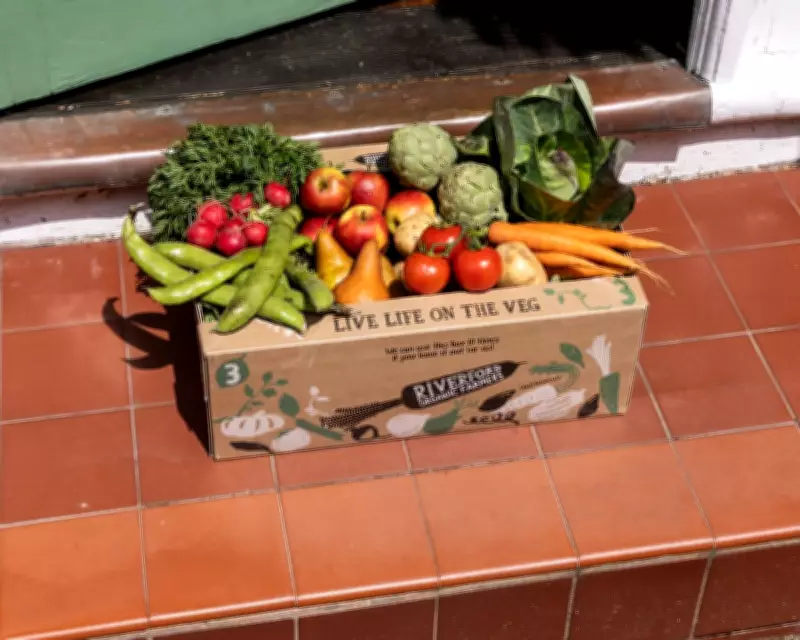
Riverford's Sales Surge as UK Organic Market Booms
Riverford Organic Farmers, a prominent player in the UK's sustainable food sector, has reported a substantial rise in sales, reflecting a broader boom in the organic market across the country. This growth underscores a significant shift in consumer preferences towards environmentally friendly and ethically produced food options.
Driving Forces Behind the Organic Boom
The surge in Riverford's sales is not an isolated phenomenon but part of a larger trend sweeping the UK. Several key factors are contributing to this organic market expansion. Firstly, increasing awareness of climate change and environmental sustainability has prompted many consumers to seek out food products with lower ecological footprints. Organic farming practices, which often emphasise soil health, biodiversity, and reduced pesticide use, align closely with these concerns.
Secondly, health-conscious eating habits have gained traction, with more people prioritising nutrition and food quality. Organic produce is perceived by many as a healthier alternative, free from synthetic chemicals and genetically modified organisms. This perception has been bolstered by ongoing public health campaigns and media coverage highlighting the benefits of organic diets.

Riverford's Strategic Positioning
Riverford has strategically positioned itself to capitalise on this growing demand. The company's commitment to organic principles, combined with its direct-to-consumer model, has resonated well with shoppers. By offering a wide range of organic vegetables, fruits, and other farm products, Riverford provides convenient access to sustainable food options. Their emphasis on local sourcing and seasonal produce further enhances their appeal to environmentally aware consumers.
Moreover, Riverford's investment in marketing and community engagement has helped build a loyal customer base. Initiatives such as farm visits, educational programmes, and transparent supply chain practices have fostered trust and strengthened brand loyalty. This approach has not only driven sales but also reinforced Riverford's reputation as a leader in the organic sector.
Implications for the UK Food Industry
The booming organic market, exemplified by Riverford's success, has significant implications for the broader UK food industry. Traditional retailers and food producers are increasingly incorporating organic lines into their offerings to meet consumer demand. This shift is prompting changes in agricultural practices, supply chains, and retail strategies across the country.
However, challenges remain. The higher costs associated with organic farming can lead to premium pricing, which may limit accessibility for some consumers. Additionally, ensuring consistent supply and maintaining organic certification standards require ongoing effort and investment. Despite these hurdles, the overall trend suggests a sustained growth trajectory for the organic market in the UK.
Future Outlook and Consumer Trends
Looking ahead, the organic market is expected to continue its upward trajectory. Factors such as government policies promoting sustainable agriculture, technological advancements in organic farming, and evolving consumer preferences are likely to drive further growth. Riverford and other organic producers are well-positioned to benefit from these developments, provided they adapt to changing market dynamics.
In conclusion, Riverford's sales rise is a clear indicator of the UK's organic market boom. As consumers increasingly prioritise sustainability and health, the demand for organic products is set to remain strong. This trend not only benefits companies like Riverford but also contributes to a more sustainable and resilient food system for the future.