A hydrogeologist has provided detailed insights into what causes sinkholes to form and explained why repair work on these dangerous ground collapses can take such a considerable amount of time to complete. Laura Toran, an expert in the field, has examined recent incidents in Philadelphia to illustrate the complex nature of these geological events.
Understanding Sinkhole Formation
Sinkholes represent holes that open up in the ground surface due to significant changes occurring beneath the earth. According to Professor Toran, there are two primary categories of change that lead to sinkhole development.
Carbonate Rock Dissolution
The first type involves carbonate rock formations, which can develop underground caves when slightly acidic water dissolves the rock over time. When the structural bridge above one of these underground cavities eventually collapses, a sinkhole appears at the surface.

Infrastructure Failure
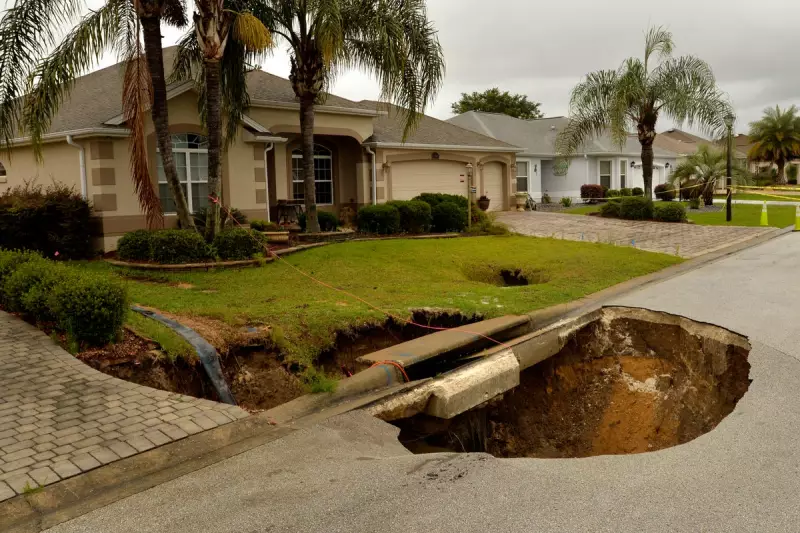
The second category relates directly to aging water supply or sewage infrastructure. When underground pipes develop leaks, the surrounding sediment can erode or wash away, creating gaps beneath the surface. If these subsurface voids become sufficiently large, they can cause the ground above to collapse, forming what we recognize as sinkholes.
Recent Philadelphia Incidents
In early January, a substantial sinkhole formed at an intersection in Philadelphia's West Oak Lane neighborhood following a water main break. Just two weeks prior to this incident, the city had reopened a section of the Schuylkill River Trail in Center City that had been closed for two months due to another sinkhole. Last summer, residents in Point Breeze waited approximately two months for repairs to a sinkhole on their block.
The West Oak Lane situation involved two recent water main breaks where debris from flowing water complicated access to the leaks. Repairing such infrastructure failures represents a complex undertaking that requires multiple steps:
- Stopping the water leak completely
- Clearing accumulated debris from the area
- Sourcing appropriate repair materials
- Completing the pipe repair itself
- Restoring the road surface above
Professor Toran notes that repair teams must also assess whether adjacent pipe sections show signs of aging and address them while access is available, making thorough repairs essential rather than rushed.
The Schuylkill River Trail sinkhole from late last year, which required two months for remediation, similarly resulted from a pipe leak. This repair necessitated coordination between the Philadelphia Water Department and the parks and recreation department, highlighting the interdepartmental cooperation needed for such projects.
Philadelphia's Sinkhole Vulnerability
The Philadelphia region experiences both types of sinkholes, though within city limits, the carbonate rock variety is less common. Just outside the city, in areas like King of Prussia, carbonate rock formations do exist and can develop sinkholes through dissolution processes.
Within Philadelphia proper, sinkholes typically occur where aging pipes leak and wash away surrounding soil. As one of the nation's oldest cities, Philadelphia maintains extensive water networks that require constant maintenance and repair. The combination of regional geology conducive to sinkhole formation and aging infrastructure makes these events somewhat common in the area.
Professor Toran emphasizes that she would prefer to address pipe leak sinkholes rather than those caused by carbonate rock cavities. With underground rock formations, the true extent of cavities remains unknown until excavation begins, and filling them with concrete can prove challenging if cavities exceed material supplies.
Identifying Potential Sinkhole Formation
Predicting sinkhole development remains difficult for both geological and infrastructure-related causes. While Pennsylvania maintains maps of carbonate rock formations, not all such rock develops sinkholes, and predicting exactly where and when collapses might occur proves nearly impossible.

In Philadelphia, sinkholes tend to be equally unpredictable because the driving factors occur underground and out of sight. Pipe leaks can develop without surface warning, though sometimes sagging ground or visible water leaks precede larger collapses. However, not all ground sagging or leaks lead to sinkholes, and many events occur without any advance warning signs.
Professor Toran stresses the importance of reporting potential warning signs to authorities. Residents should contact the Philadelphia Water Department emergency hotline at 215-685-6300 to report leaks or ground sagging so these issues can be investigated before potentially worsening.
Long-Term Solutions and Challenges
Replacing all aging infrastructure in Philadelphia would reduce sinkhole occurrences, but such an undertaking would prove enormously costly and disruptive to city life. In practical terms, the city must continue addressing new sinkholes as they emerge while managing limited repair budgets.
Other regions experience even more frequent sinkhole activity, with Florida serving as a prime example. The entire state sits atop carbonate rock formations, making sinkholes particularly common there compared to Philadelphia's mixed geological and infrastructure challenges.
Laura Toran serves as Professor Emeritus of Environmental Geology at Temple University and brings specialized expertise as a hydrogeologist to understanding these complex geological phenomena that impact urban environments.