The Winter Gardener's Guide: Harnessing Snow's Protective Power
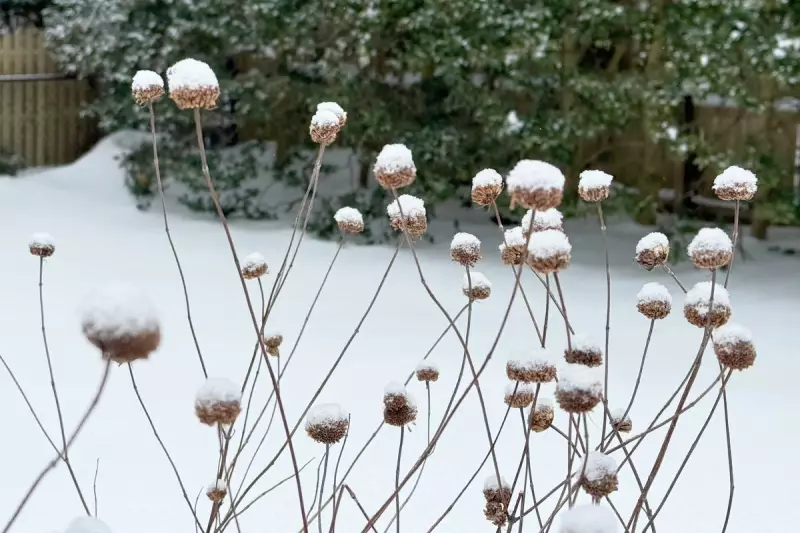
As winter's chill descends across British gardens, a surprising ally emerges from the frosty skies. Snow, often viewed as a seasonal inconvenience, actually serves as nature's perfect winter mulch, providing crucial protection for dormant plants while presenting unique challenges for vulnerable trees.
Snow as Natural Insulation for Garden Beds
During those single-digit temperature days following major winter storms, many experienced gardeners deliberately shovel snow onto their garden beds. This practice isn't merely about clearing paths but represents a strategic gardening technique. The accumulated snow forms a protective blanket that insulates the soil beneath, preventing precious heat from escaping and maintaining more stable soil temperatures.
This insulation proves particularly vital in preventing the damaging freeze-thaw cycles that characterise cold winter climates. When ground repeatedly freezes and thaws, it can literally squeeze plant roots, seeds, bulbs, tubers and rhizomes right out of the earth. Once exposed to harsh elements, these vital plant components face potential destruction from cold, drying winds.

Beyond insulation, melting snow delivers additional gardening benefits. As it gradually thaws, snow provides gentle watering to garden beds while simultaneously fertilising plants with nitrogen absorbed from the atmosphere during its descent. This natural process exemplifies how winter conditions can actually support garden health when properly understood and managed.
Protecting Vulnerable Trees from Snow Damage
While snow benefits garden beds, it presents significant risks to certain tree varieties. The same heavy blanket that protects ground-level plants can spell disaster for evergreen species like arborvitae and Leyland cypress. When wet snow accumulates on branches, its substantial weight can bend, buckle or even snap limbs, potentially causing permanent disfigurement to valuable garden trees.
Proactive gardeners can mitigate this risk by gently removing snow accumulation using a long-handled broom. Under normal circumstances, this intervention works best after storms conclude. However, during extended snowfall periods, periodic clearing during the storm itself helps prevent dangerous accumulation. Given the considerable expense of replacing mature trees, many gardeners consider braving the elements worthwhile protection.
An important exception occurs when snow transforms into ice. Frozen branches require delicate handling, as attempts to crack or knock ice off plants risk damaging bark and other delicate plant structures. In these situations, patience becomes the gardener's best tool, allowing natural melting to occur while hoping for minimal damage.
Choosing Garden-Safe Ice Melt Products
After clearing snow from walkways and driveways, selecting appropriate ice melt products becomes crucial for protecting both plants and pets. Magnesium chloride emerges as the premium choice, dissolving quickly to coat and melt ice while remaining effective in temperatures as low as -23°C. This product proves less likely to burn pets' paws and represents the safest option for garden plants, which can become exposed through wind dispersal, soil runoff, melting snow and splashing slush.
The primary drawback of magnesium chloride involves cost, as it typically represents the most expensive commonly available ice-melt product. For gardeners managing large areas, strategic application proves most practical. Consider using magnesium chloride in zones adjacent to sensitive plants and where pets frequently walk, then opting for calcium chloride in less-trafficked areas away from lawns and gardens.
Although calcium chloride products often market themselves as pet- and plant-safe, they can still cause plant damage and irritate paws. Gardeners should wear protective gloves when handling this product and apply it sparingly near sensitive plants. After exposure, rinsing pets' paws helps prevent irritation.

Gardeners might recognise potassium chloride from fertiliser labels (the K in N-P-K ratios), but the concentrations needed for ice melting can actually harm or kill plants, making it unsuitable as a deicer. Sodium chloride, while cheapest, represents the worst choice for gardens, pets and the environment, capable of corroding vehicles, cracking concrete, and poisoning wildlife, plants and trees.
Regardless of product choice, applying the minimum necessary amount remains essential, as all ice-melt products carry some potential to damage masonry. Proactive gardeners can further protect hard surfaces by applying waterproofing sealant to driveways and walkways during warmer seasons, providing multi-year protection against ice-related damage.
Understanding snow's dual nature as both protector and potential threat enables British gardeners to navigate winter conditions effectively, preserving their gardens through the coldest months while preparing for vibrant spring growth.