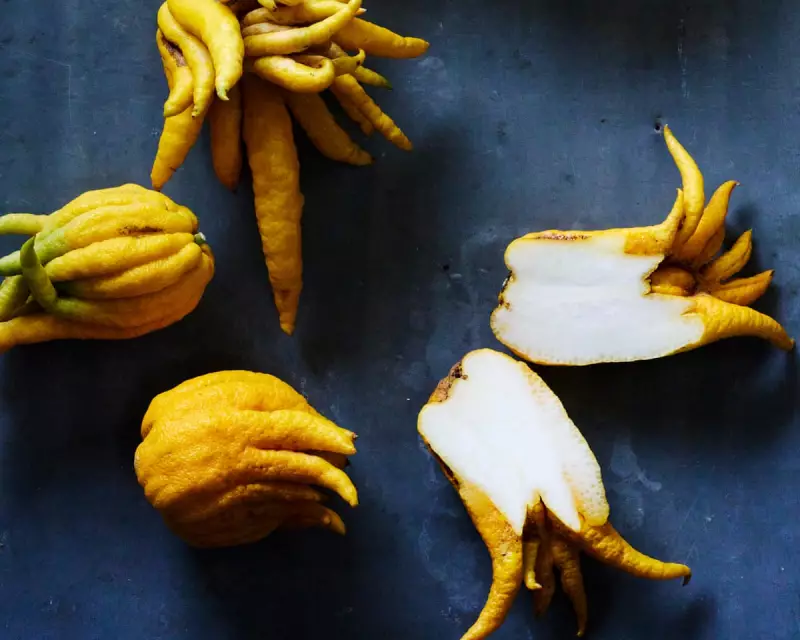
On a trip to Spain's east coast, London chef Matthew Slotover stumbled upon what he describes as a 'Garden of Eden' – an organic farm cultivating a staggering array of citrus fruits he never knew existed. This is the Todolí Citrus Foundation, a non-profit venture that houses the world's largest private collection of citrus, with more than 500 varieties. Its custodians believe these rare fruits could unlock genetic secrets vital for helping citrus groves survive the mounting challenges of climate change.
A Chef's Paradise and a Genetic Bank
For Slotover, founder of the acclaimed London restaurant Toklas – a favourite of Nigella Lawson – the farm is a source of extraordinary produce. It yields far more than common oranges and lemons, supplying his kitchen with exotic varieties like kumquat, sudachi, bergamot, and the caviar-like finger lime. Nigella Lawson recently praised a Toklas dinner featuring langoustine with Rangpur lime and a 'heavenly' guava roll with Shikuwasa mandarin, ingredients sourced from this very collection.
While Slotover prioritises British produce for his European-inspired menu, he makes a clear exception for Todolí's citrus. 'It was like the Garden of Eden,' he recalled of his visit, speaking at the Oxford Real Farming conference earlier this month. His initial collaboration with other chefs to import these rare fruits proved so popular that distribution has now been handed over to the organic supplier Shrub, which delivers them to kitchens across London.

Farming in Harmony with Nature
The foundation operates in stark contrast to the large commercial farms that dominate the region. 'Spain is the world's largest exporter of fresh citrus,' said the foundation's technical director, Óscar Olivares-Fuster. 'We at Todolí do organic, we don't use pesticides, we work with nature.' The farm's unique microclimate, with cold nights, warm days, and sea breezes, supports its vast collection.
Rejecting water-intensive artificial irrigation, the farm employs ancient Arab techniques using irrigation ditches and ponds, which are both efficient and aesthetically pleasing. This philosophy has transformed the groves into a biodiversity haven, attracting frogs, bees, goldfinches, and songbirds that had been largely wiped out from Valencia's conventional citrus farms by herbicides and insecticides.
A Genetic Library for a Warming World
Beyond supplying gourmet kitchens, the foundation's core mission is conservation and research. 'We have a bank of genes here, with hundreds of varieties of citrus. This is something unique to study,' Olivares-Fuster explained. He believes investigating these genetics will be crucial for the future of citrus cultivation. 'Eventually, citrus will be grown north of the Pyrenees and we might struggle in the south,' he suggested, highlighting the northward shift of viable growing zones due to climate change.
He points to varieties like the trifoliate orange, a small, sharp fruit that sheds its leaves in winter, as a potential genetic resource for breeding cold-hardiness into other citrus types. The farm also grows 40 Japanese varieties, the Valentine pomelo, and chefs' favourites like the Philippine calamansi and fragrant Borneo lumia.
Before chefs like Slotover discovered it, the collection had little commercial purpose, with fruit often given to friends or used locally. Now, the partnership provides valuable support to the foundation. The Todolí Citrus Foundation, which offers tours by appointment, stands as a living library – a lush, organic ark preserving the fragrant, zesty diversity of the citrus world for generations to come.