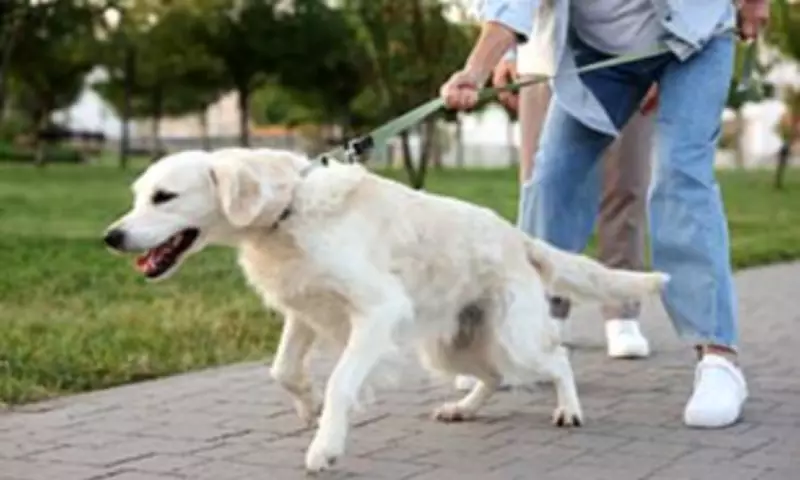
As spring arrives, many dog owners observe a familiar pattern: their daily walks suddenly take twice as long. Pets that once strolled calmly may now stop frequently to sniff, pull on the lead, or become captivated by every scent along the path. According to animal behaviour experts, this change is primarily driven by the dramatic surge in outdoor smells during this season.
The Science Behind the Sniffing
A dog's sense of smell is estimated to be tens of thousands of times more powerful than a human's, enabling them to detect scents imperceptible to people. During winter, colder temperatures and reduced wildlife activity result in fewer scent trails in parks and countryside areas. However, as the weather warms, wildlife becomes more active, and plants release stronger aromas, creating what experts describe as a 'sensory explosion' for our four-legged friends.
Expert Insights on Canine Behaviour
Jo Hinds, a certified behaviourist and dynamic dog practitioner at the dog food subscription service Years, explains: 'In spring, the environment becomes much richer in scents from plants, wildlife, and other animals. For dogs, this creates a huge amount of new information to explore.' She emphasises that sniffing allows dogs to gather crucial data about other animals, territory, and their surroundings, which naturally slows down walks.

Rather than resisting this behaviour, experts recommend embracing it. Allowing dogs to explore scents is not only natural but also beneficial for their mental health. Ms Hinds notes: 'Sniffing is actually an important form of mental stimulation for dogs. Allowing sniffing during walks can help with emotional regulation, reduce pulling, and provide enrichment.'
Common Mistakes to Avoid
While this sniffing behaviour is innate, how owners react can make walks frustrating for both parties. Common errors include:
- Pulling on the lead, which can increase stress and reactivity in dogs.
- Punishing sniffing, as it is a healthy and natural activity.
- Rushing walks, denying dogs the time they need to explore.
- Inconsistent training, leading to mixed signals and worsened pulling behaviour.
Effective Strategies for Enjoyable Walks
To manage distracted dogs during spring, experts suggest balancing exploration with training. Helpful approaches include:
- Permitting sniffing during walks to satisfy their curiosity.
- Using reward-based training to discourage pulling on the lead.
- Choosing quieter areas with fewer distractions for walks.
- Providing mental enrichment at home to reduce overexcitement outdoors.
Ms Hinds clarifies: 'Dogs aren't being stubborn. They are simply responding to a much more stimulating environment.' For owners, a little patience can significantly enhance the walking experience. She adds: 'Spring is an exciting time for dogs because their world suddenly becomes full of new smells. Understanding that can help make walks more enjoyable for both dog and owner.'
In summary, embracing your dog's scent-driven behaviour in spring can lead to more relaxed and enriching walks, fostering a stronger bond between pet and owner.