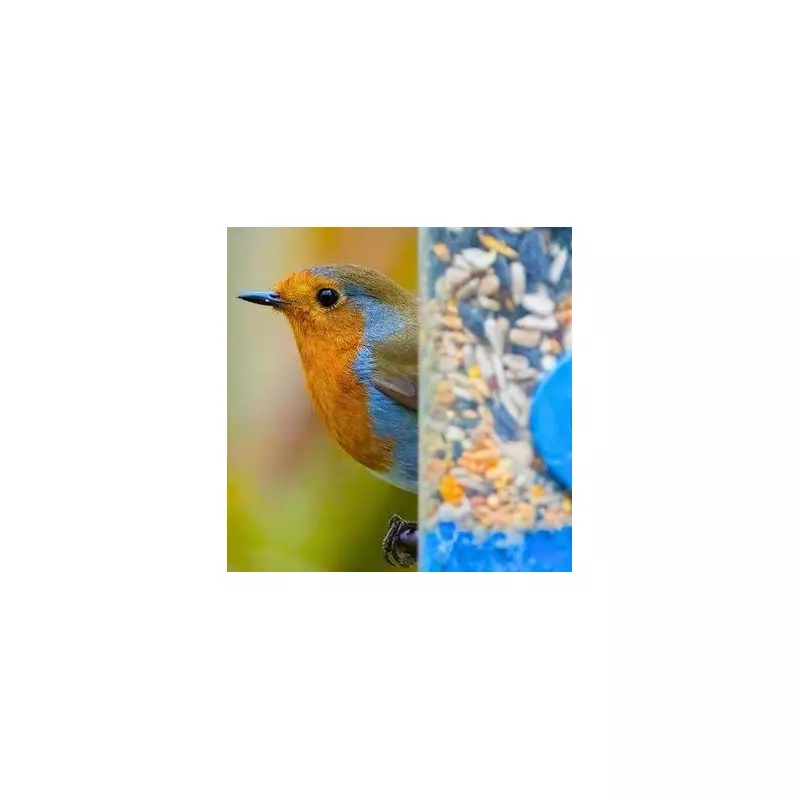
If your garden has fallen unusually quiet despite maintaining a well-stocked bird feeder, you may be encountering a parakeet problem. These vibrant, sociable birds can inadvertently create a hostile environment for smaller native species. Fortunately, wildlife specialists have identified a straightforward and humane solution that involves making three simple adjustments to your feeding strategy.
The Parakeet Problem in British Gardens
Parakeets, often mistaken for escaped pet parrots or budgies, are actually wild birds that have established themselves across Britain since the 1960s. They are highly social creatures, typically visiting gardens in large, noisy flocks. While not inherently aggressive, their substantial size, loud calls, and opportunistic feeding habits can intimidate smaller birds.
Robins are particularly vulnerable. These iconic birds prefer to feed in solitude and can be easily frightened away by the boisterous presence of parakeets. This displacement is especially concerning during the harsh winter months when reliable food sources are critical for survival. A garden dominated by parakeets may see robins and other small birds, like finches, avoiding feeders altogether, struggling to find nourishment.

Three Simple Foods to Deter Parakeets
According to experts at Ark Wildlife, the key to gently discouraging parakeets lies in the type of food offered. Parakeets have strong, large beaks designed for cracking big seeds. They prefer substantial, clustered food items that are easy to grab and carry away.
"Peanuts and sunflower seeds are very attractive to them, but they are less interested in fine seeds including niger seeds, or millets," a specialist explained to the Express. "They are also less inclined to eat fat or suet products such as fat balls or suet pellets."
By avoiding the foods parakeets love, you naturally discourage their visits. The three recommended alternatives are:
- Niger Seeds: These tiny, oil-rich seeds are a favourite of finches but are too fiddly for parakeets to handle efficiently.
- Millet: Small millet seeds are perfect for birds with delicate beaks but offer little appeal to larger-beaked parakeets.
- Crushed Fat or Suet Pellets: While parakeets may ignore standard fat balls, offering crushed suet or fat pellets creates a texture and size that smaller birds can manage but parakeets will typically bypass.
Stocking your feeders with these options creates a dining experience tailored to smaller garden birds. Their finer beaks are perfectly adapted to consuming these foods, while parakeets will find the meal too awkward and time-consuming, prompting them to seek easier sustenance elsewhere.
Additional Strategies to Support Smaller Birds
Strategic Feeder Placement
Beyond food choices, the physical placement of your bird feeders can make a significant difference. Positioning feeders closer to the ground or beneath bushes and shrubs can deter parakeets, which generally avoid feeding in confined spaces where they feel exposed to potential threats.
This tactic aligns perfectly with the natural preferences of birds like robins, which favour feeding near cover. Vegetation provides a quick escape route from predators, a safety feature smaller, more agile birds utilise effectively. Larger parakeets, being slower to react, are less comfortable in such environments.
Timing Your Refills
Establishing a morning routine for topping up feeders can also help. Smaller garden birds tend to be early risers, foraging for food at dawn. Parakeets, however, are more likely to feed during mid-morning or early afternoon. By ensuring feeders are full first thing, you give native species a head start and a peaceful window to feed before the larger flocks arrive.
Investing in Specialist Feeders
For those willing to invest a little more, certain feeder designs can provide an effective physical barrier. Caged bird feeders, weight-activated models, or even squirrel-proof feeders are often successful at excluding parakeets. These designs typically restrict access to larger birds while allowing smaller species to feed undisturbed.

Implementing these food and feeder strategies offers a compassionate and effective way to manage your garden's avian visitors. By thoughtfully adjusting what and how you feed, you can create a welcoming sanctuary for cherished native birds like the robin, ensuring they thrive throughout the year.