Accidentally brushing past a cherished houseplant and hearing the dreaded snap of a stem is a heart-sinking moment for any indoor gardener. The damage often falls into an awkward middle ground: not clean enough for propagation, yet too severe to ignore, leaving a drooping limb and a plant lover's dilemma. Online gardening communities, particularly on platforms like Reddit, frequently advocate for a surprisingly simple first-aid kit comprising common household items: a drinking straw and a pinch of cinnamon. But does this method genuinely work to salvage an injured plant?
The Science Behind the Simple Remedy
The proposed hack is elegantly straightforward in its approach. A standard drinking straw, when cut lengthwise, can be opened and wrapped around the damaged section of a plant stem, functioning as a supportive splint. This holds the bent or partially broken stem upright, providing the stability needed for the plant's natural healing processes to occur. Simultaneously, cinnamon—a common kitchen spice—is dusted onto the wound. It is celebrated in gardening circles for its natural antifungal properties, which are believed to help prevent rot and infection at the site of the injury, creating a cleaner environment for recovery.
Step-by-Step Application Method
To implement this plant first aid, carefully cut a drinking straw along its length so it can be opened. Gently dust the damaged area of the stem with a small amount of cinnamon powder. Then, wrap the straw around the injured section, securing it loosely with soft string or twine to avoid constricting the plant. If additional support is required, inserting a small stake alongside the stem can provide extra stability. Crucially, once the splint is in place, minimise disturbance by avoiding moving the plant, allowing it to focus energy on repair.

Putting the Hack to the Test: Real-World Results
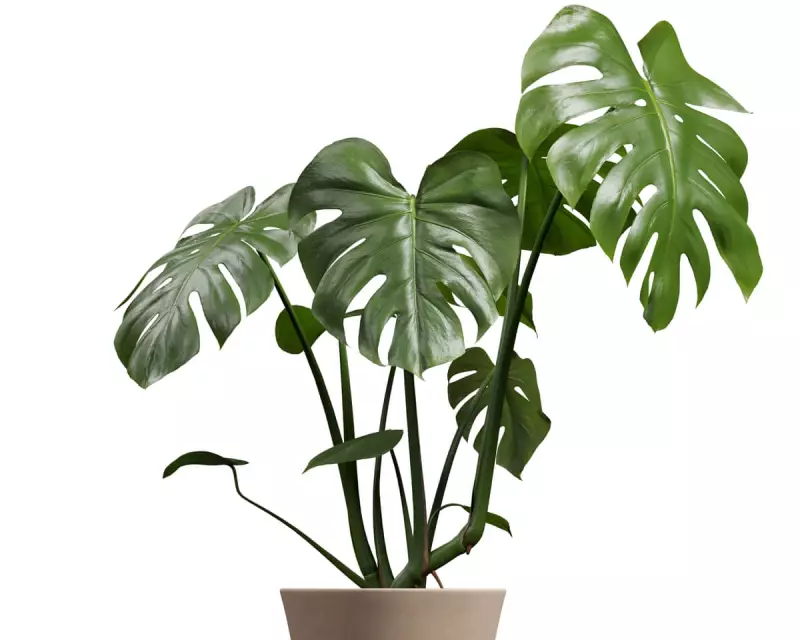
In a practical trial, this method was applied to a Monstera plant with a mildly bent stem. After several weeks with the straw splint in position, the damaged section had successfully callused and firmed up, demonstrating clear signs of healing. The splint was then removed without the stem collapsing, indicating a successful recovery from minor damage. However, the hack does have its limitations. When tested on a begonia with more severe stem damage, the straw splint merely delayed the inevitable decline, underscoring that this is not a miracle cure for serious breaks.
Final Verdict on Plant First Aid
While drinking straws and cinnamon will not perform wonders on a completely snapped stem, they can be remarkably effective for minor injuries. This simple approach buys valuable time for the plant to initiate its own repair mechanisms, potentially saving a favourite houseplant from further deterioration. It serves as a useful, accessible tool in the indoor gardener's arsenal for addressing those common, accidental bumps and bends that occur in plant care.
For those delving deeper into houseplant maintenance, related topics include the reuse of potting mix and broader gardening advice, which complement these first-aid techniques. Ultimately, understanding such hacks empowers plant enthusiasts to respond swiftly to minor mishaps, fostering healthier, more resilient indoor gardens.