As the chill of winter sets in, many gardeners might assume their outdoor spaces lose their appeal, but this season offers a unique opportunity to assess and enhance your garden's fundamental structure. With deciduous plants shedding their leaves, gaps and architectural weaknesses become glaringly apparent, making it the perfect time to introduce trees, bushes, and evergreens that will provide year-round interest and support for local wildlife.
The Essential Beauty of a Winter Garden
Contrary to the dismissive remarks of some estate agents, winter gardens possess an understated, essential beauty that reveals the true bones of a landscape. Without the distraction of summer blooms, you can clearly see where your garden lacks height, texture, or definition. This visibility allows for strategic planning, enabling you to identify areas that would benefit from structural elements like a frost-catching yew hedge or a stately evergreen tree.
Why Now Is the Ideal Planting Time
The dormant winter months, provided the ground isn't frozen solid or waterlogged, present the optimal window for planting bare-root specimens. Bare-root plants, which are sold without soil or pots, resemble simple twigs but offer significant advantages. They are far more economical than their pot-grown counterparts, having avoided the costs associated with nursery cosseting. More importantly, these plants often establish themselves more successfully in their new environments, adapting readily to your garden's specific conditions.

Choosing the Right Structural Plants
When selecting plants to build your garden's framework, consider both formal and informal options. Traditional choices like yew or box provide classic evergreen structure, though modern gardeners must weigh concerns about pests such as box tree caterpillar and diseases like box blight. For a softer, more blended look, deciduous options like hornbeam or beech offer beautiful seasonal changes, with bright foliage marking the colder months.
Alternatively, plants such as Amelanchier lamarckii, hydrangea, or rose can create informal hedges that integrate seamlessly with surrounding bedding as the seasons progress. These choices not only add visual interest but also contribute to the garden's ecological value.
Affordable Structural Solutions for Smaller Spaces
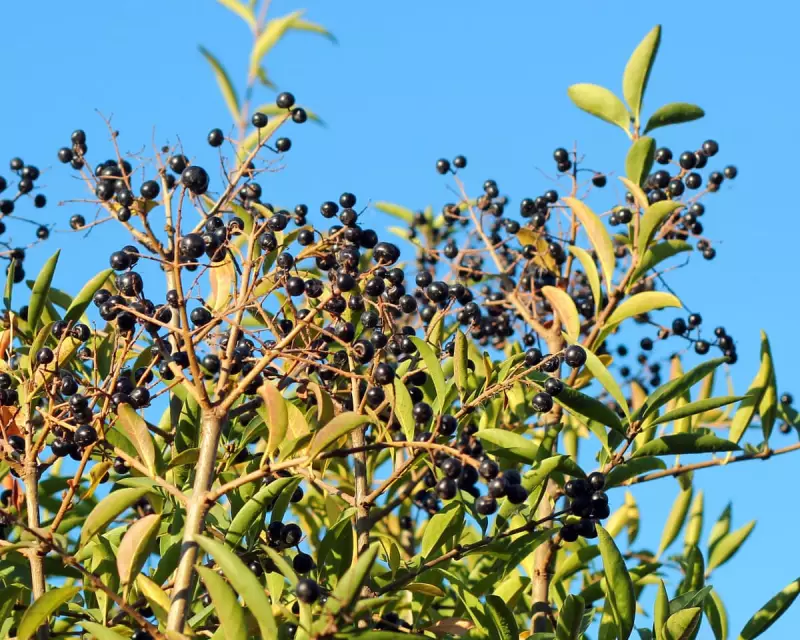
Even if you're not ready to commit to a full hedge, you can still enhance your garden's structure affordably. Inspired by planting design experts, consider adding a selection of bare-root bargains like rosa glauca, spindle, wild privet, or hawthorn to lacklustre tubs and containers. These additions can dramatically boost height and texture while providing vital resources for wildlife.
A single privet bush, for instance, can significantly enhance your garden's vertical interest and offer shelter and nourishment for birds and insects. By next year, you'll be astonished at how much these seemingly modest additions have grown and transformed your space.
Personal Reflections on Garden Transformation
Gardens are deeply personal spaces that evolve with our lives. One gardener recalls transforming a first proper garden—a place of compost experiments, pink-painted walls, and prosecco-watered parties—where planting a tree for a newborn son created lasting memories. This emotional connection underscores why investing in garden structure matters: it creates the backbone for future experiences, whether languid summer afternoons or winter's stark beauty.
So embrace the boldness of winter. Use this time to reshuffle, reassess, and plant the structural elements that will define your garden for years to come, proving that no garden need look lacklustre in the colder months when thoughtfully designed.