For gardeners across the UK, the arrival of winter need not mean the end of harvesting fresh, fragrant herbs. Cultivating these plants indoors during the colder months can be deeply rewarding, but it demands a different approach compared to summer gardening outdoors.
Choosing the Right Herbs for Indoor Success
Not all herbs are suited to life in a pot on the windowsill. As gardening expert Jessica Damiano notes in her column from Tuesday 06 January 2026, some varieties are particularly tricky. Plants like dill and fennel have extensive root systems, making them poor candidates for containers. Basil often becomes leggy without intense sunlight, which is difficult to replicate inside. Similarly, spreading herbs like lavender and chamomile are best left to the garden.
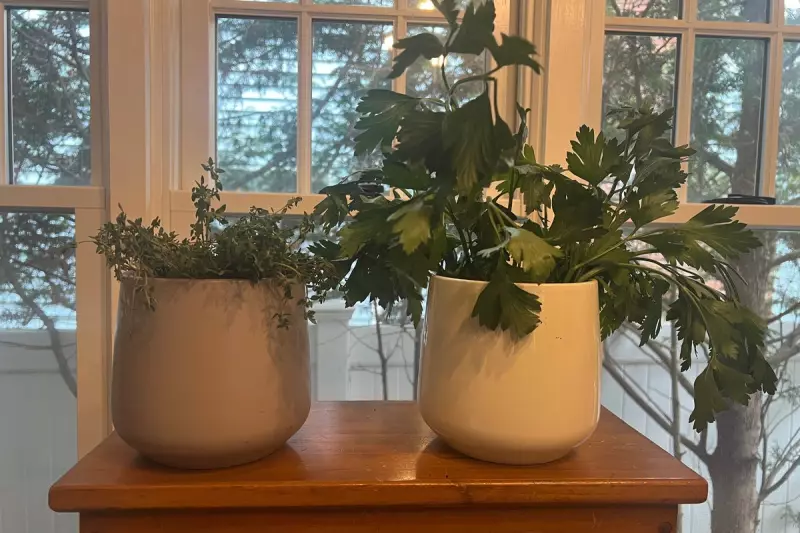
However, several culinary staples can fare well with proper attention. Rosemary, sage, oregano, thyme, and bay laurel are among the most reliable performers indoors. Parsley can succeed, but it requires a deep pot, regular fertiliser, and supplemental artificial lighting. Cilantro's success is less guaranteed, but it is always worth an attempt.

Mastering Light, Soil, and Water
The foundation of healthy indoor herbs lies in three critical factors: light, drainage, and careful watering. First, ensure your containers have drainage holes and are filled with a well-draining potting mix to prevent fatal root rot.
Place your herbs near the brightest available light. A south-facing window is ideal in UK homes, with a west-facing spot as a good secondary option. For even better results, consider using grow lights. Provide 14-16 hours of artificial light daily, positioning fluorescent bulbs 5-10 inches above plants or LED lights 15-20 inches above, adjusting as they grow. If using these lights, feed plants with a balanced liquid fertiliser diluted to half-strength every fortnight.
Watering requires a delicate touch. It is always safer to underwater than overwater. Before reaching for the watering can, check soil moisture by plunging a finger into the soil up to the second knuckle. Water only when the soil feels dry near the roots, but do not let it stay dry for extended periods.
The Perfect Watering Technique
When it is time to water, do so thoroughly. Place pots in the sink and run a slow, cool stream of water from the tap onto the soil until it runs freely from the drainage hole. Allow the pot to sit for a few minutes so the soil can absorb the moisture fully. The goal is damp, not soggy, compost. Once done, return the plant to its sunny spot until the next watering is required.
While indoor herbs may grow slower and smaller than their outdoor summer counterparts, the effort is immensely worthwhile. Having the ability to pluck leaves that taste like summer at a moment's notice is a cook's dream, saving both money and a trip to the shops in bleak weather.
Jessica Damiano, who writes weekly gardening columns for the AP and publishes the award-winning Weekly Dirt Newsletter, offers these practical insights for gardeners seeking a year-round harvest.