Gardeners across the UK are being urged to take immediate action to protect their lawns from a potentially devastating fungal disease known as snow mould. Experts warn that neglecting one simple winter task could lead to 'serious damage' that may not be repairable until spring.
The Hidden Winter Threat to Your Lawn
While many assume gardens lie dormant during the colder months, grass continues to grow and organic matter decomposes. This makes vigilance crucial, as lawn problems that take hold now can cause lasting harm. The lawn care specialists at Greensleeves have issued a stark warning on their blog, highlighting several winter issues, with one standing out as a primary culprit for neglected lawns.
Snow mould is a particularly aggressive fungal disease capable of spreading rapidly across large sections of turf. Contrary to what its name implies, it is not exclusive to periods of snowfall. Many species of the fungus thrive in mild, damp conditions, making lawns vulnerable during autumn, winter, and early spring, as reported by the Express.

The Primary Cause: Uncleared Leaves
The experts are clear on the primary preventive measure: diligent raking. Mike Barney, a Greensleeves lawn care expert based in Norwich, stated unequivocally: "Without a doubt, the most common cause of a seriously damaged lawn in the winter is due to uncleared leaves."
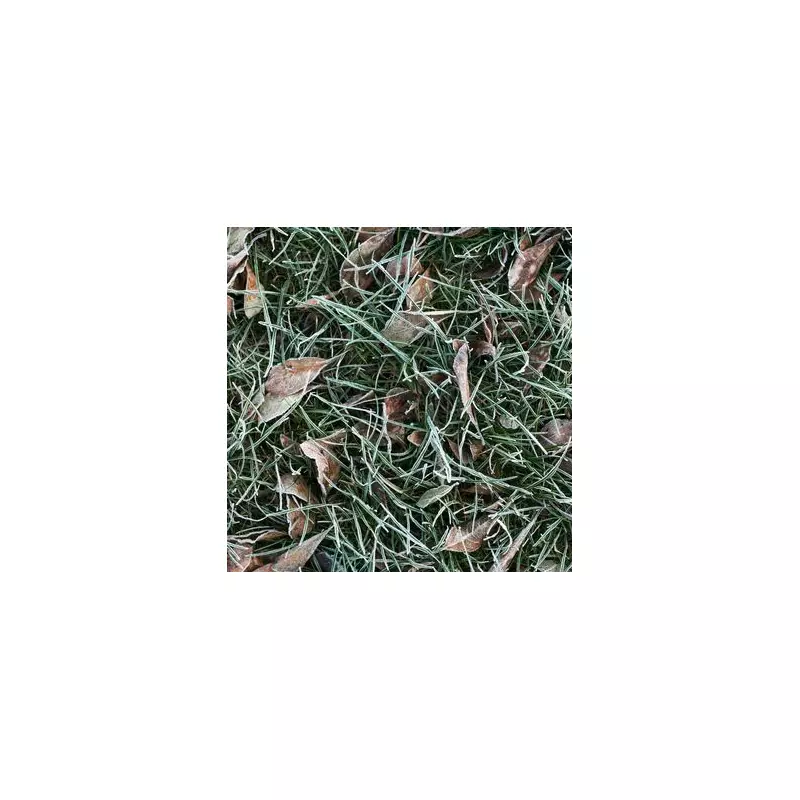
He explains that leaves left on the lawn do more than just create an untidy appearance. They cause the grass sward to thin, while simultaneously blocking vital light and restricting air movement across the surface. This combination creates a damp, dark, and poorly ventilated microenvironment.
"[This] creates a perfect breeding ground for diseases such as fusarium patch (snow mould)," Barney cautions. He adds a warning about the speed of the condition: "Given the right conditions, this turf disease can quickly spread across the lawn, causing significant scarring, which will be slow to recover in the spring."
Identifying and Preventing Snow Mould
Early identification is key to managing an outbreak. Gardeners should look for small, yellowish patches of dying grass that subsequently turn brown. These patches can expand swiftly if the damp, mild conditions persist.
The clear advice from professionals is proactive and simple: regular maintenance is non-negotiable. Keeping the lawn free from fallen leaves and other debris is the single most effective step homeowners can take to safeguard their grass. This simple act improves air circulation, reduces moisture retention, and denies the snow mould fungus the habitat it needs to establish and spread.
By addressing this issue promptly, gardeners can ensure their lawns emerge from winter healthy and ready for vigorous growth in the spring, rather than battling unsightly and damaging scars.