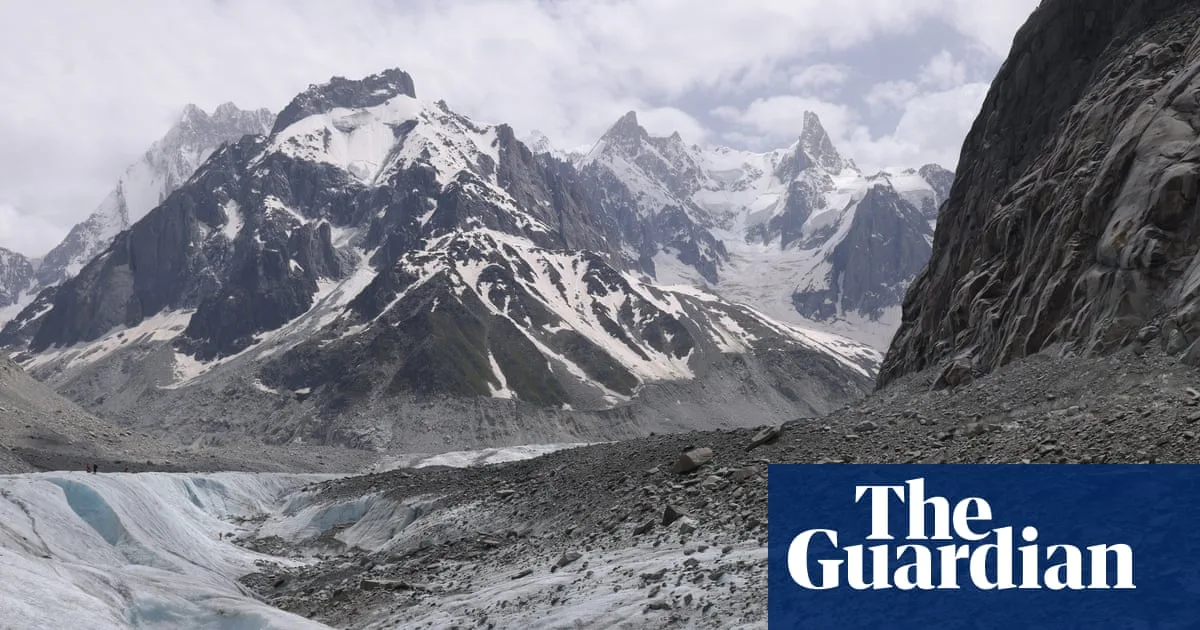
Glaciers in the European Alps are expected to reach their peak rate of extinction within eight years, with over 100 glaciers disappearing permanently by 2033, according to a new study. The research, published in Nature Climate Change, warns that human-caused global heating is accelerating the loss of glaciers worldwide, threatening water supplies, tourism, and cultural heritage.
Under current climate action plans, which project global temperatures rising by about 2.7°C above preindustrial levels, glacier losses would peak at around 3,000 per year in 2040 and remain at that rate until 2060. By the end of the century, 80% of today's glaciers could vanish. In contrast, rapid emissions cuts to limit warming to 1.5°C would cap annual losses at about 2,000 by 2040, after which the rate would decline.
The study analysed over 200,000 glaciers using satellite data and global glacier models. Regions with the smallest and fastest-melting glaciers are most vulnerable. Central Europe's 3,200 glaciers could shrink by 87% by 2100 even under 1.5°C of warming, and by 97% under 2.7°C. In western US and Canada, including Alaska, about 70% of today's 45,000 glaciers are projected to disappear under 1.5°C, and over 90% under 2.7°C.

Matthias Huss, a senior scientist at ETH Zurich and director of the Swiss glacier monitoring network, said the loss is deeply personal for glaciologists. He recently declared four Swiss glaciers extinct, adding to an estimated 1,000 lost in the country over the past three decades. Huss spoke at a 2019 funeral ceremony for the Pizol glacier, where over 250 people gathered to say goodbye. Similar ceremonies have been held in Iceland, Nepal, and elsewhere.
Many glaciers hold spiritual significance. Māori leader Nā Lisa Tumahai visited the melting Kā Roimata o Hine Hukatere glacier in New Zealand in 2022, describing it as 'a presence once so physically commanding, is shrinking into oblivion.' The researchers said peak loss dates mark 'turning points with profound implications for ecosystems, water resources and cultural heritage,' representing a human story of vanishing landscapes.