Environmental organisations have initiated legal proceedings against the Trump administration this Monday, challenging its recent authorisation of a major new ultra deep-water drilling venture by BP in the Gulf of Mexico. The lawsuit, filed on the sixteenth anniversary of the catastrophic Deepwater Horizon oil spill, alleges that the approval process for the $5 billion Kaskida project was fundamentally flawed and poses severe risks to marine ecosystems and coastal communities.
Anniversary of Deepwater Horizon Disaster Marks Legal Challenge
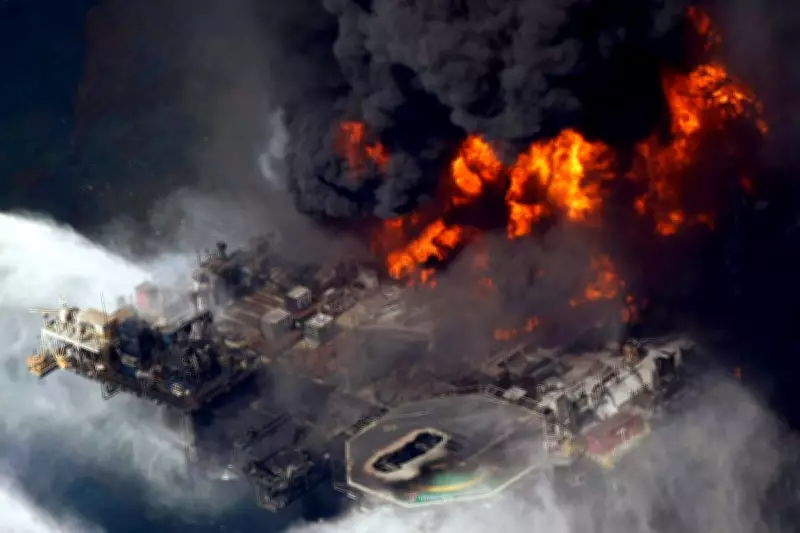
The timing of the legal action is highly symbolic, coinciding with the anniversary of the nation's worst offshore oil spill. In 2010, BP's Deepwater Horizon rig, located 50 miles off the Louisiana coast, suffered a catastrophic blowout, releasing approximately 134 million gallons of crude oil into the ocean. This environmental disaster resulted in the tragic loss of eleven lives and inflicted billions of dollars in damage to wildlife and extensive stretches of coastline. The plaintiffs argue that approving the new Kaskida project risks a repeat of such devastation.
Details of the Kaskida Project and Legal Grounds
The Trump administration granted approval for BP's Kaskida project in March, marking the company's first new oil field development in the Gulf of Mexico since the 2010 spill. BP estimates that the project could achieve a production capacity of up to 80,000 barrels of crude oil per day. However, environmental groups, including Healthy Gulf, the Habitat Recovery Project, and the Center for Biological Diversity, contend in their filing against the U.S. Interior Department that critical information was omitted from the approval process.

They assert that the documentation fails to adequately demonstrate BP's qualifications to conduct safe drilling operations at such extreme depths. Furthermore, the lawsuit claims that the Kaskida development endangers the health of Gulf residents, threatens fragile ecosystems, and could adversely impact local fishing and tourism industries. Brettny Hardy, a senior attorney at Earthjustice representing the plaintiffs, stated, "The Trump administration has teed up the entire Gulf region for a Deepwater Horizon sequel by approving this project."
Administration's Energy Agenda and Regulatory Changes
The approval aligns with President Donald Trump's second-term priority of expanding fossil fuel production under an "American energy dominance" agenda. The administration has pursued numerous regulatory rollbacks favourable to the oil and gas industry. Notably, the Gulf of Mexico, which contributes nearly 15% of annual U.S. crude oil production—about 2 million barrels per day—holds particular strategic importance.
Recent administrative actions include merging the Bureau of Ocean Energy Management and the Bureau of Safety and Environmental Enforcement into a new Marine Minerals Administration to accelerate offshore drilling permits. Additionally, last month, the administration exempted Gulf drilling operations from the Endangered Species Act on national security grounds, a move made amidst soaring energy prices and global oil market disruptions linked to the U.S.-Iran conflict.
Responses from Officials and BP
Interior Department spokesperson Charlotte Taylor declined to comment on the ongoing litigation but emphasised, "America sets the global standard for energy production. We do it cleaner, safer, and more reliably than anywhere in the world." She highlighted that the Kaskida project "represents a major step forward, unlocking more than 275 million barrels of previously unrecoverable oil," which she claimed would boost job creation, enhance national security, and reduce energy costs for American families.
BP America spokesperson Paul Takahashi responded to the lawsuit, stating that the Deepwater Horizon incident "forever changed the company." He expressed confidence that the legal challenge is unfounded, asserting BP's "full confidence in our Kaskida development plan and our ability to deliver this offshore project safely, responsibly and in compliance with U.S. regulations and industry standards."

Environmental Concerns and Recent Incidents
The lawsuit emerges against a backdrop of ongoing environmental threats. Just last month, a significant oil spill in the Gulf spread over 373 miles, affecting seven nature reserves and contaminating at least six species, with 800 tons of hydrocarbon waste entering the ocean. These events underscore the persistent risks associated with offshore drilling.
Many of the Trump administration's pro-drilling policies reverse efforts by former President Joe Biden, who sought to ban new offshore oil and gas drilling in most U.S. coastal waters. The legal battle over the Kaskida project thus represents a critical juncture in the nation's energy and environmental policy, with profound implications for the Gulf of Mexico's future.