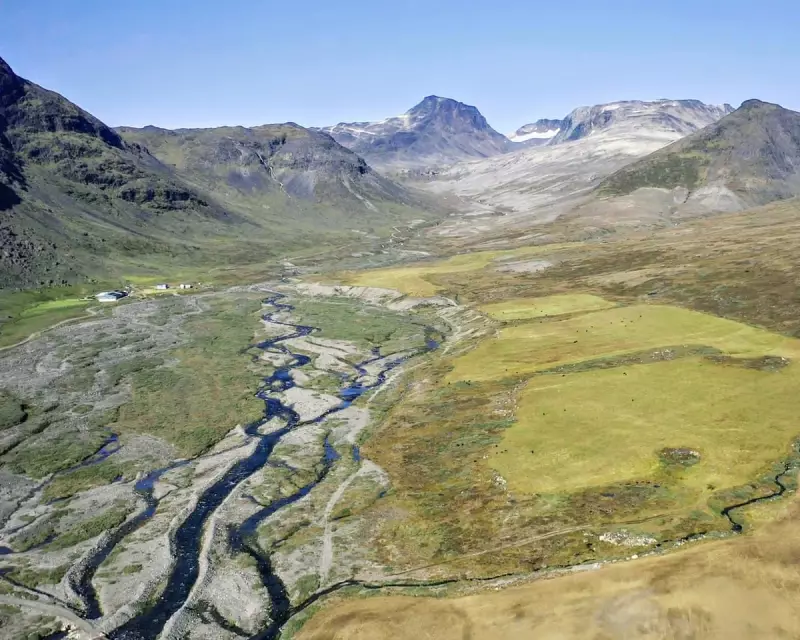
The Narsaq valley in southern Greenland, stretching towards the Kvanefjeld mountain, is home to one of the planet's most significant deposits of rare-earth elements. This remote region exemplifies the island's extraordinary mineral wealth, which has become a focal point in global discussions about resource extraction and environmental stewardship.
Why Greenland is a Geological Powerhouse
Recent geopolitical manoeuvres have highlighted Greenland's status as a resource-rich territory, boasting immense stores of oil and gas, abundant rare-earth elements, and precious gems like gold and diamonds. But what geological processes have concentrated such planetary treasures in this mostly ice-covered land?
In an article for The Conversation, Dr Jonathan Paul, a geologist from Royal Holloway, University of London, delves into Greenland's unique geological history spanning over 4 billion years. He describes the island as a geological anomaly, shaped by three distinct forces: mountain building, rifting, and volcanism.

The Role of Mountain Building
Periods of intense mountain formation have created a complex network of faults and fractures across Greenland. These geological structures have acted as conduits for the deposition of valuable minerals, including gold, diamonds, rubies, and graphite. The rugged terrain, though largely hidden under ice, holds these riches in its rocky folds.
Rifting and Sedimentary Basins
Approximately 200 million years ago, rifting associated with the formation of the Atlantic Ocean basin led to the creation of deep sedimentary basins. These basins are now capable of storing vast quantities of oil and gas, positioning Greenland as a potential future energy hub. The tectonic shifts that pulled continents apart have left behind reservoirs of fossil fuels that remain largely untapped.
Volcanic Activity and Rare-Earth Elements
Throughout its history, volcanic episodes have deposited rare-earth elements—critical components for many high-tech devices, from smartphones to electric vehicles. The Kvanefjeld mountain area, in particular, is a testament to this volcanic legacy, with its rich concentrations of these strategic minerals.
Currently, about 80% of Greenland is covered by a thick ice sheet, which has long protected these resources from exploitation. However, as global temperatures rise, the melting ice is making these deposits more accessible, sparking debates over extraction.
While arguments may be made for tapping into Greenland's mineral wealth to fuel technological advancements and economic growth, such endeavours come with significant environmental and social costs. The potential plundering of these resources could have profound implications for Greenland's delicate ecosystems and indigenous communities.
This geological treasure trove, born from billions of years of Earth's dynamic processes, underscores the complex interplay between natural resource management, climate change, and global geopolitics.