In a remote Liberian village, a cheerful announcement posted by the Bea Mountain Mining Corporation (BMMC) informs residents of an upcoming blast at a nearby mining pit. However, for many locals, this news brings not reassurance but fear, as they report that such explosions have previously cracked or crumbled their homes during the operations of Liberia's largest gold miner.
Environmental Concerns and Hidden Reports
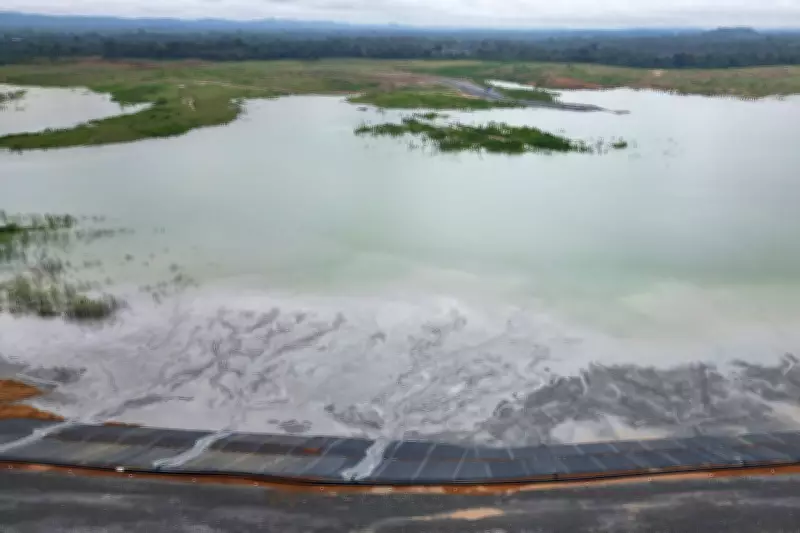
An investigation by journalists from The Associated Press and The Gecko Project has uncovered multiple spills of cyanide and other toxic chemicals from BMMC's largest mine into local waterways. These incidents were documented by Liberia's environmental regulators in official reports, but those documents were subsequently removed from public view, raising questions about transparency and accountability.
Deforestation on a Massive Scale
The environmental impact extends beyond chemical spills. The mining operation has cleared approximately 2,200 hectares (5,436 acres) of precious rainforest, an area six times the size of New York's Central Park. These forests are critical habitats for endangered species, including pygmy hippos and Western chimpanzees, whose survival is now further threatened by this large-scale deforestation.

According to a report published last year by the nonprofit organisation Forest Trends, half of Liberia's forested area is currently covered by proposed or active mining licenses held by Bea Mountain or other companies. This statistic highlights the widespread nature of mining activities across the country and the potential for further environmental degradation.
Community Grievances and Broken Promises
In villages surrounding the largest Bea Mountain mine, residents have voiced numerous grievances beyond environmental concerns. Many assert that the mining company has failed to deliver on promised training programmes designed to help local villagers obtain senior management positions within its operations, leaving them feeling excluded from the economic benefits of mining in their region.
Violent Protests and Police Response
The tensions between the mining company and local communities reached a boiling point in 2024 when protests against the mining operations erupted. Residents recall that police ended these demonstrations with tear gas and what they describe as deadly force. One woman, Satta Surtual, showed journalists what she said was a scar on her scalp from a tear gas canister, recounting, "The blood was coming down and I fell unconscious." Police authorities have denied using excessive force during these incidents.
A Wider Pattern Across Africa
These conflicts reflect tensions that frequently underlie mining operations across the African continent, where experts note that regulation and oversight can be weak or inconsistently enforced. The situation in Liberia serves as a case study in the complex relationship between resource extraction, environmental protection, and community rights in developing nations.
The ongoing disputes highlight the challenges faced by communities living near large-scale mining operations, balancing potential economic development against environmental preservation and social justice concerns. As Liberia continues to develop its mining sector, finding sustainable solutions that address these multiple concerns remains a pressing challenge for both corporate operators and government regulators.