Patagonia Wildfires: A Devastating Blaze Fueled by Policy and Pine
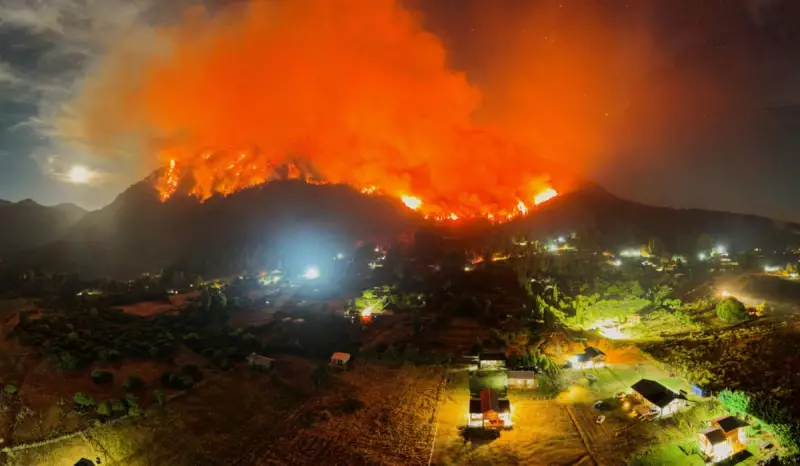
Since 5 January, more than 18,000 hectares of native forests, grasslands, villages, and tourist resorts in Patagonia have been ravaged by wildfires, primarily in the southern Argentine province of Chubut, according to the Federal Emergency Agency (AFE). Greenpeace estimates the affected area exceeds 40,000 hectares, highlighting a catastrophic environmental and human crisis.
Decades of Warnings Ignored as Flames Engulf Communities
Environmentalist Lucas Chiappe had long predicted this disaster, warning for years that replacing native trees in the Andes with highly flammable foreign pine monocultures was a recipe for catastrophe. In early January, flames raced down Pirque hill towards his home in Epuyén, forcing a frantic escape. "We had to throw all our equipment into the stream and get the hell out of there," he recalls, describing the inferno as a "dragon" that chased them until they crossed a river.
Experts confirm that these pine plantations act as "powder kegs", accelerating fire spread due to extreme weather conditions linked to the climate crisis, including low snowfall and high temperatures. Andrés Nápoli of the Environment and Natural Resources Foundation notes a "high accumulation of combustible elements in the forest", exacerbated by recent heatwaves and strong winds.

Government Cuts and Firefighting Struggles
President Javier Milei's administration has systematically defunded the National Fire Management Service, slashing its budget by 81% compared to last year. This has crippled prevention efforts, such as firebreaks and community engagement, and forced firefighters to work in poor conditions for low salaries. Monthly pay ranges from 650,000 to 850,000 pesos (£336-£440), below the poverty line for a family of four.
Budget reductions have also impacted early-warning systems and aerial support, with firefighting aircraft flight hours cut from 5,100 to 3,100. In response, communities are forming their own brigades, using everyday tools like chainsaws and hoses. "You'll see some bougie guy, all muddy, carrying a motor pump in a spectacular 4x4 truck," says Chiappe, emphasizing solidarity over bureaucracy.
Conspiracy Theories and Scapegoating Amid the Crisis
The government has promoted unfounded theories blaming the wildfires on Mapuche Indigenous groups, with the national security minister alleging links to "terrorist groups" on social media. Mauro Millán, a Mapuche leader, dismisses this as "rehashing the absurd theory of the arsonist Mapuche", noting that similar accusations last year led to a police raid but no evidence.
Other conspiracy theories have emerged, including antisemitic claims about an "Andinia Plan" involving Israeli citizens, which experts trace to Nazi sympathisers. Prosecutor Carlos Díaz Mayer confirms investigations into possible arson using accelerants but states no evidence supports allegations against Mapuches or Israelis, calling them "conspiracy theories that have no basis."
Long-Term Environmental and Social Impacts
The fires threaten biodiversity in protected areas, such as habitats for the huemul deer, and will severely affect local housing, jobs, and health. Nápoli warns, "The trees will remain standing, but the land will be left as ashes." With wildfires also hitting Chile, causing at least 18 deaths this month, the region faces a compounded disaster driven by climate inaction and political neglect.
As communities band together to fight the blazes, the crisis underscores the urgent need for restored funding and evidence-based policies to prevent future catastrophes in Patagonia's fragile ecosystems.