As Storm Chandra continues to unleash heavy rain, strong winds, and potential flooding across much of the United Kingdom, The Dogs Trust has issued crucial advice to help dog owners safeguard their pets during the turbulent conditions. The charity has shared five top recommendations specifically designed to manage canine anxiety and ensure safety amidst the severe weather warnings issued by the Met Office.
Understanding Canine Anxiety During Storms
Similar to the distress caused by fireworks on Bonfire Night, thunderstorms and severe weather events can prove profoundly frightening for many dogs. With Storm Chandra predicted to bring persistent rainfall of 30-50mm widely, and up to 80mm in some southern regions like Dartmoor, alongside strong southeasterly winds, the potential for disruption is significant. The Met Office has warned of flooding risks due to already saturated ground, prompting heightened concerns for pet welfare.
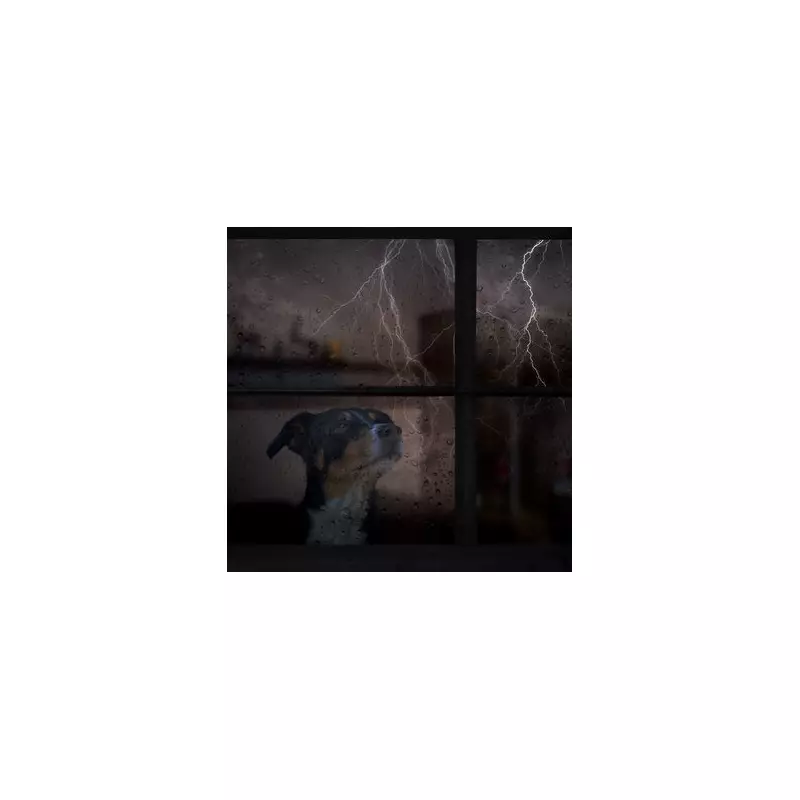
One dog owner recently took to social media to illustrate the challenges, sharing a video of their pet barking anxiously at the wind and rain through a window, captioning it with frustration about the storm's impact on their companion's wellbeing. This scenario is familiar to many, as dogs exhibit varied reactions to atmospheric disturbances.

Five Essential Tips from The Dogs Trust
1. Secure Your Home and Garden
The primary advice from The Dogs Trust emphasises creating a safe indoor environment. Owners should ensure their house and garden are fully secure, keeping dogs inside during the storm. Practical measures include closing curtains to reduce visual stimuli, maintaining indoor lighting, and increasing the volume on televisions or radios to mask unsettling outdoor noises.
2. Adapt Your Daily Routine
Monitoring weather forecasts is crucial to avoid walks during extreme conditions. If garden access is necessary, always keep dogs on a lead and verify they are wearing a collar with proper identification. The Trust specifically warns against allowing dogs near floodwater, which may contain raw sewage, toxins, and other hazardous debris that could cause injury.
3. Recognise Individual Canine Responses
Dogs display a wide spectrum of reactions to storms, from apparent relaxation to pronounced anxiety. Subtle signs might include excessive panting, lip-licking, or seeking increased attention. More obvious indicators can involve pacing, attempts to hide, uncontrolled barking, or even indoor toileting accidents. Observing these behaviours helps tailor appropriate support.
4. Enable Preferred Coping Mechanisms
Allowing dogs to employ their chosen coping strategies is vital. Some may benefit from retreating to a designated safe space, such as a crate or quiet room, even if they haven't previously shown fear. Others might seek reassurance through physical comfort and attention, while some remain unfazed and can be distracted with favourite toys or engaging activities to prevent anxiety from developing.
5. Consult Your Veterinary Professional
In extreme cases where behavioural concerns persist, The Dogs Trust strongly advises contacting a veterinarian. A health check can rule out underlying medical issues, and vets can provide further guidance or referrals to accredited animal behaviourists for specialised support, ensuring long-term wellbeing beyond the immediate storm.
Broader Implications for Pet Owners
The guidance comes as the UK faces another significant weather event, with over 60 regions under alert for heavy rain and ferocious winds. The Dogs Trust's proactive approach highlights the growing recognition of animal welfare during environmental crises, offering a structured framework for owners to navigate these challenging periods effectively.
By implementing these measures, dog owners can significantly reduce stress for their pets, promoting safety and comfort until Storm Chandra passes and more settled conditions return.