Humanity has crossed a remarkable threshold, becoming a predominantly urban species. According to a landmark United Nations report, more than 80% of the global population now resides in towns and cities, a dramatic shift from the mere 30% recorded in 1950.
The Scale of Urban Expansion
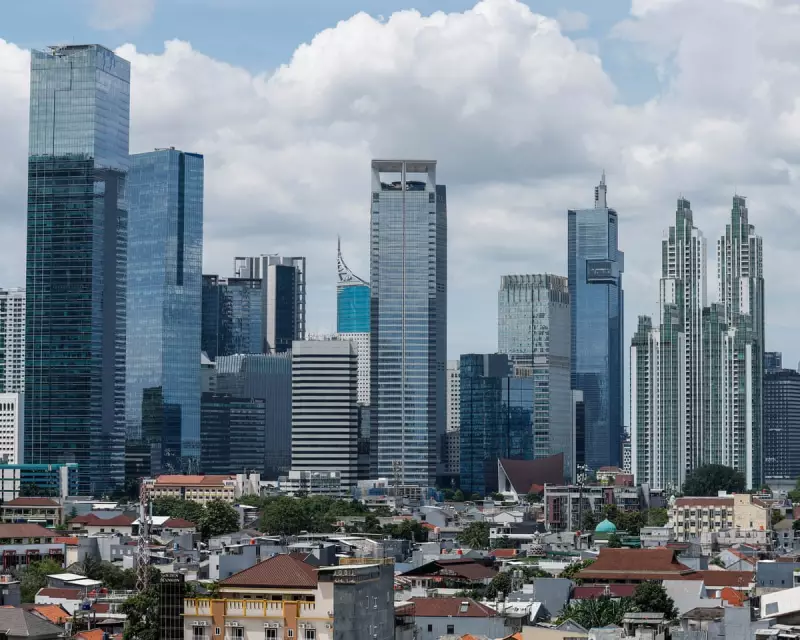
This seismic population shift has been clarified by a new, standardised UN measurement, replacing the patchwork of national criteria used before. The scale of change is staggering. Where London stood alone as the first million-strong city in the 19th century, today nearly 500 cities have surpassed that mark. The epicentre of this growth is Asia, which is home to nine of the world's ten largest megacities. Jakarta, with a staggering 42 million residents, has now overtaken Tokyo to claim the title of the world's most populous urban agglomeration.
The Double-Edged Sword of Rapid Growth
Jakarta's ascent, which saw its population explode almost 30-fold since 1950, serves as a potent case study in the perils of breakneck urbanisation. The city is choked by chronic traffic congestion and pollution, regularly succumbs to flooding, and is sinking at an alarming rate due to the over-extraction of groundwater. In a drastic response, the Indonesian government is constructing a new administrative capital, Nusantara, over 1,000km away in Borneo. However, such ambitious projects have a chequered history; Nusantara is already reported to be behind schedule, underfunded, and struggling to attract future inhabitants.
As the late urbanist Mike Davis noted, urban growth is not always driven by opportunity. While young people are often lured by the promise of prosperity, he pointed to waves of migration fuelled by rural desperation, exacerbated by agricultural deregulation and harsh fiscal policies. In his book Planet of Slums, he also described how 'rural people no longer migrate to the city; it migrates to them' through relentless urban sprawl.
Opportunity, Inequality, and the Climate Challenge
The benefits of cities are undeniable. They are powerhouses of productivity, creativity, and diversity. New York City's gross product, for instance, was a colossal $1.8 trillion last year, eclipsing the entire GDP of countries like Turkey or Saudi Arabia. Yet, as in 19th-century London, these opportunities coexist with monstrous inequality, substandard housing, and overburdened infrastructure.
The environmental cost is equally high. Most urbanised land in the last 55 years was once agricultural, threatening food security and despoiling natural habitats. Furthermore, cities concentrate the risks of climate change. Urban dwellers are disproportionately exposed to heatwaves and rising sea levels, with the poorest residents bearing the heaviest burden. As UN Secretary-General António Guterres argued, sustainable urbanisation and climate action are two sides of the same coin. While cities generate a huge share of emissions, their density also offers a pathway to more efficient resource use.
We are a new urban species, still learning to adapt to the dense environments we have created. The spontaneous growth of cities may be inevitable, but ensuring their new inhabitants can truly flourish demands deliberate and intelligent intervention.