
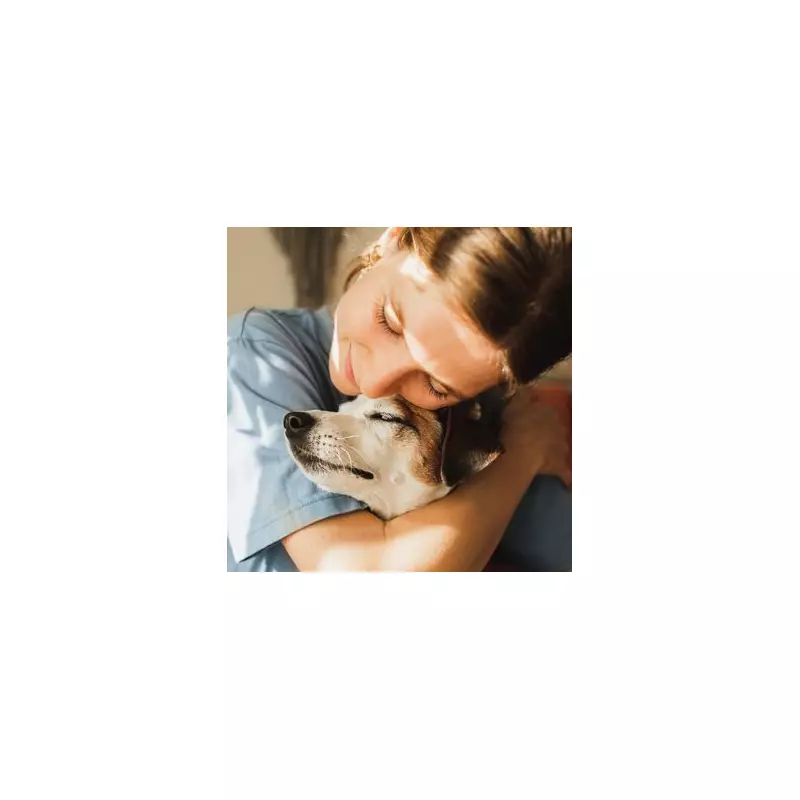
A leading veterinarian has issued urgent advice to dog owners across the UK, urging them to alter one key daily habit to combat a widespread but often hidden problem: canine separation anxiety. The call to action follows research indicating that a staggering 8 out of 10 dogs struggle when left home without their owners.
The Hidden Signs of a Dog in Distress
According to the RSPCA, the issue is frequently missed by pet parents, with half of affected dogs showing no obvious signs of their inner turmoil. While destructive chewing, persistent howling, or frantic excitement upon an owner's return are well-known indicators, more subtle signals can include a loss of appetite, repetitive pacing or circling, and excessive panting.
Veterinarian Amir Anwary, who shared his insights on TikTok, explained the emotional rollercoaster many pets endure. "Generally, when we leave our home, that's usually the worst part of their day," he stated. "They love being around us... and when we're gone, they generally don't like that."
How Your Routine Fuels the Anxiety
Amir pinpointed a critical flaw in the typical owner's routine that amplifies a dog's distress. He explained that predictable pre-departure rituals—like putting on shoes in a specific way or offering a particular goodbye—act as triggers. These actions cause the animal to begin building sadness and anxiety before the owner has even stepped out.
The problem is compounded by the owner's return. "What makes it even worse is that when you get back home, you're super excited," Amir noted. This flood of enthusiastic greeting, often absent during normal daily interactions, teaches the dog that the absolute highlight of its day is the owner's return. Consequently, the period of absence becomes, in the vet's words, a form of 'psychological torture' for the pet.
The One Habit to Change Now
To break this cycle, Amir advocates for a fundamental shift in behaviour, based on his own experience with his dog. His primary recommendation is to remove the high-emotion greetings upon entering the house.
"Upon your return home, Amir also advised removing the emotion and avoiding excited or energetic behaviour towards your dog," the guidance states. This helps the pet cease linking your homecoming with an anticipated burst of joy, making the time apart less significant.
Instead, owners should spread their affection and animated play throughout the day. This ensures the dog doesn't reserve all its positive emotional connection solely for the moment the door opens. Amir also shared that he stopped using the 'stay' command as a barrier when leaving, as it had become a direct anxiety trigger for his own pet.
For dog owners noticing signs of anxiety, the final advice is clear: if these behavioural adjustments don't yield improvement, seek professional guidance from your local vet for a tailored management plan. A simple change in routine could transform the daily experience for millions of UK dogs who dread being alone.