Massive Water Releases Planned to Sustain Lake Powell's Hydropower Amid Severe Drought
Desert canyons in eastern Utah are set to experience a dramatic surge of water this spring, as officials undertake a desperate measure to maintain electricity generation from the drought-depleted Lake Powell. The plan involves releasing vast volumes from Flaming Gorge Reservoir, with flows comparable to 50,000 toilets flushing simultaneously, in an effort to keep hydropower turbines operational for hundreds of thousands of homes across the Western United States.
Balancing Power Needs with Environmental and Community Costs
This initiative comes after the driest winter on record, aiming to raise Lake Powell's water level to prevent damage to the Glen Canyon Dam's power-generation systems. Federal officials warn that without this intervention, air could enter the turbines, causing significant harm. However, the strategy carries substantial costs elsewhere in the river basin, affecting ranchers, industries, and approximately 40 million residential water customers.
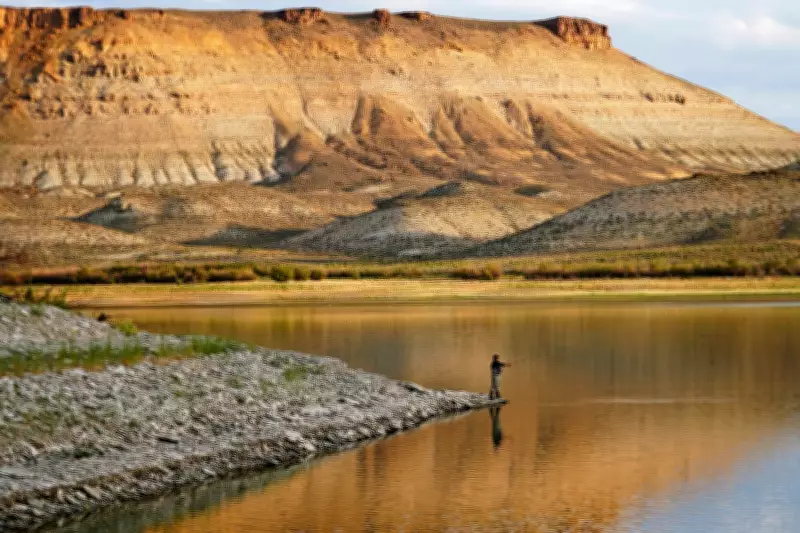
At Flaming Gorge in southwestern Wyoming, marina owners like Tony and Jen Valdez are bracing for water levels to drop by up to 10 feet by late summer, making boat launches increasingly difficult. "Of course we’re concerned," Jen Valdez stated. "And it will probably get to a point where we’ll need to be more concerned." If conditions persist, the reservoir could fall by as much as 27 feet within a year, exacerbating challenges for local businesses.

Hydropower's Critical Role and Rising Replacement Costs
Lake Powell, held back by Glen Canyon Dam, provides inexpensive and carbon-free electricity to over 350,000 homes. The federal Western Area Power Administration has contractual obligations to supply this power, and a reduction in hydropower would force purchases from more expensive, non-renewable sources. Leslie James, executive director of the Colorado River Energy Distributors Association, noted that this could lead to higher charges for communities, particularly disadvantaged ones reliant on not-for-profit utilities.
For instance, Heber Light & Power near Salt Lake City has faced rate increases for five consecutive years, with the latest hike at 13%, due to replacing hydropower with market purchases. James emphasized that such a situation is unprecedented in her 48 years of experience, highlighting the severity of the drought's impact on energy infrastructure.
Environmental and Downstream Consequences
The plan to hold back 1.5 million acre-feet of water in Lake Powell will also reduce electricity production at Hoover Dam by 40%, as downstream Lake Mead reaches lows similar to those four years ago that exposed submerged artifacts and human remains. Additionally, environmental concerns arise, such as the potential spread of invasive smallmouth bass from Lake Powell's warm surface waters, threatening native species like the humpback chub in the Colorado River.
Groups like the Grand Canyon Trust advocate for mixing in cooler, deeper water to protect the Grand Canyon's ecosystem. Meanwhile, releases from Flaming Gorge are calibrated to aid native fish in the Green River, but the reservoir is expected to drop from 83% to 59% full, following a record 2022 surge that temporarily alleviated water worries after a wet winter.
Long-Term Drought Trends and Future Outlook
This crisis stems from a quarter-century-long megadrought, exacerbated by human-caused climate change, which has shrunk Lake Powell to just 23% of its capacity. While marina owner Valdez remains optimistic about eventual wet weather returning, experts caution that a few wet years won't reverse the long-term trend. The Bureau of Reclamation's unprecedented measures, including potentially doubling the 2022 water releases from Flaming Gorge, underscore the ongoing struggle to balance power generation with sustainable water management in a contested river basin.