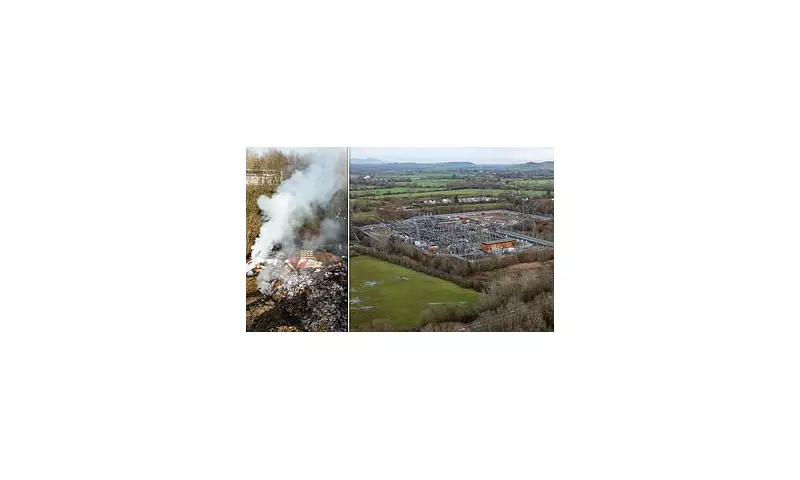
Fly-tippers digging illegally to dump waste have caused millions of pounds worth of damage to underground electricity cables serving a critical national substation in Gloucestershire. The incident, which took nine months to repair, risked power supplies to half a million homes and the headquarters of the intelligence agency GCHQ.
The Critical Target: Walham Substation
The attack occurred at the Walham substation near Gloucester, a site of such strategic importance that a government Cobra meeting was convened in 2007 when floods from the River Severn threatened to swamp it. The substation powers vast swathes of the region, including the famous 'Doughnut' headquarters of GCHQ in Cheltenham, although the agency maintains its own back-up generators.
In March of last year, 'unauthorised digging' linked to fly-tipping damaged four out of five major cables connecting to the substation. A representative for the local council confirmed the details to residents. The damage was inflicted on land owned by Sean Steven Gorman, a member of a prominent traveller family with multiple local business interests.

A Landscape Scarred by Illegal Waste
Aerial photographs reveal an astonishing scale of environmental degradation around the substation. The once-pristine countryside on the floodplain of the River Severn is now defaced by multiple, vast piles of smouldering waste. During a recent visit, foul-smelling smoke from burning plastic drifted across the busy A40 road towards a Premier Inn hotel and local restaurants.
The area is home to at least four separate illegal waste sites. The problem is so persistent that as soon as one dumping ground is closed, another opens nearby, creating fresh scars on the landscape close to the ecologically sensitive Alney Island nature reserve.
One massive tip in the nearby village of Over, allegedly operated by Marshall Gorman – a relative of the landowner – is now believed to be Britain's largest. Satellite imagery suggests it covers more than two acres, dwarfing a previously notorious site in Oxfordshire. Marshall Gorman, speaking from a Range Rover, denied any responsibility for the Over tip or the cable damage at Walham.
Multi-Million Pound Repairs and National Implications
Hamzah Ahmed, a former National Grid power system engineer and managing director of Denville Energy Consulting Ltd, explained the severe financial impact. Repairing the four damaged cables likely cost 'multiple millions' of pounds, he told the Mail, due to the complex excavation work required. He noted that the nine-month repair timeframe was considered quick for such critical infrastructure.
While built-in resilience in the grid prevented widespread blackouts, the incident exposed a shocking vulnerability in the UK's energy security. The National Grid confirmed the March incident and subsequent repair, stating they are managing the situation and liaising with local stakeholders.
The Environment Agency is investigating the illegal waste deposits near the cables in collaboration with the council. Meanwhile, Gloucestershire Fire and Rescue Service was called this week to extinguish a burning pile of waste dumped perilously close to the substation's perimeter.
This case is not isolated. A related investigation highlights similar failures in Oldham, Greater Manchester, where convicted waste criminal Ervan Connell turned an industrial estate into a dumping ground, with waste leaching into the River Beal. Despite a 2022 suspended sentence, problems with burning waste persist, according to frustrated local residents.
The Walham incident stands as a stark warning: the UK's fly-tipping epidemic is no longer just an eyesore but a direct threat to critical national infrastructure and security.