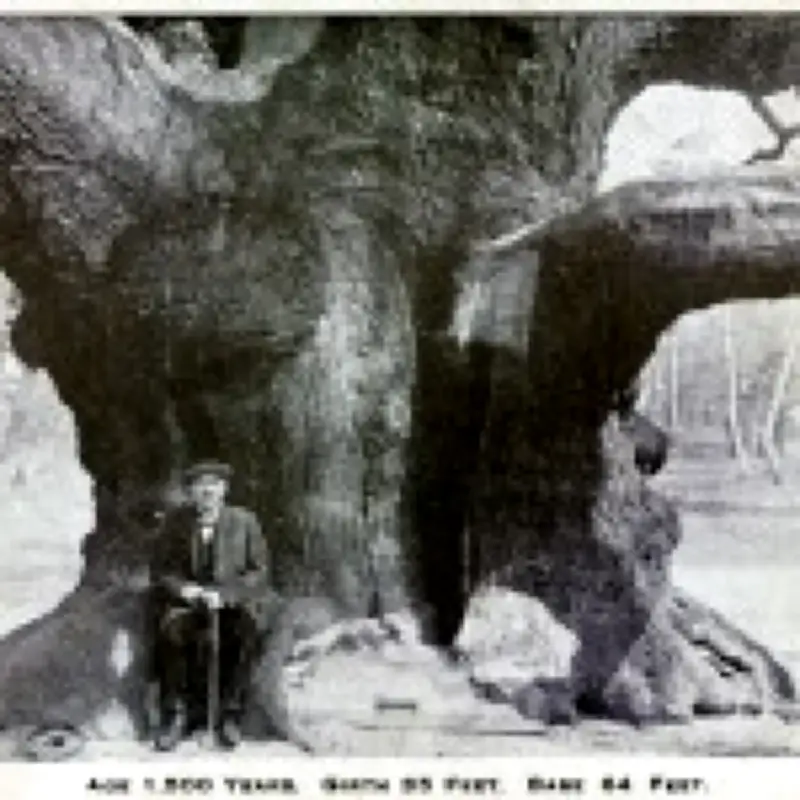
A vast ancient oak tree linked to the legend of Robin Hood is believed to have died after its first spring with no leaves, experts have announced. The Major Oak, located in the heart of Sherwood Forest in Nottinghamshire, is thought to be up to 1,200 years old but has been in decline for several years, according to the RSPB, which manages the woodland.
Causes of Decline
The conservation charity stated that the tree had been affected by a combination of factors, including a century of well-intentioned structural interventions, large numbers of historical visitors around the tree, and recent climate-change-driven heatwaves and droughts. The soil around the Major Oak has become heavily compacted due to the footfall of millions of visitors over the years, making it harder for rainwater to penetrate and for the root system to absorb necessary nutrients. Recent testing revealed that the soil was as hard as concrete in some spots.
These factors compounded the natural challenges the tree faced at its advanced age, leading scientists to conclude it had died after failing to produce any leaves this spring.

Legacy and Conservation
The tree, world-famous for stories of sheltering the legendary outlaw Robin Hood, will remain standing in the forest as a monument for people and wildlife, the RSPB confirmed. Hollie Drake, senior site manager at RSPB Sherwood Forest, described the tree’s failure to produce leaves this year as heartbreaking for everyone. She emphasized that the Major Oak will have a lasting legacy due to its deep connection to Robin Hood and Sherwood Forest, and will continue to provide important habitat for wildlife.
The Major Oak won the Woodland Trust’s annual Tree of the Year competition in 2014 and was the first tree recorded on the charity’s ancient tree inventory. Ed Pyne, senior conservation adviser at the Woodland Trust, called for stronger legal protections for ancient woods and trees, warning that excessive tourism in Victorian times compacted the soil around the Major Oak’s roots, causing irreversible damage. He noted that the tree’s decline serves as a warning that how we treat ancient trees today will determine whether they survive for future generations.
Historical Significance
The Major Oak has been alive since the Norman conquest and continued to grow while other Sherwood oaks were used to raise the roof of St Paul’s Cathedral, fuel the Industrial Revolution, and build Nelson’s navy. Its name originated from a book by Major Hayman Rooke in 1790, which sparked the first significant waves of tourism to the forest, drawing millions over the next two centuries.
For years, visitors could walk right up to the tree and even climb into its large hollow trunk, but the area was fenced off in the 1970s, and the tree has since been viewed from a distance.
Future Offspring
Chloe Ryder, the RSPB’s estate operations manager at Sherwood Forest, described the tree’s death as devastating to accept but noted that knowledge gained from monitoring and surveying it will help protect other ancient and veteran trees. Acorns and cuttings have been grown from the Major Oak, and saplings have been planted in locations around the world, ensuring that its offspring will generate their own acorns and legends for centuries to come.