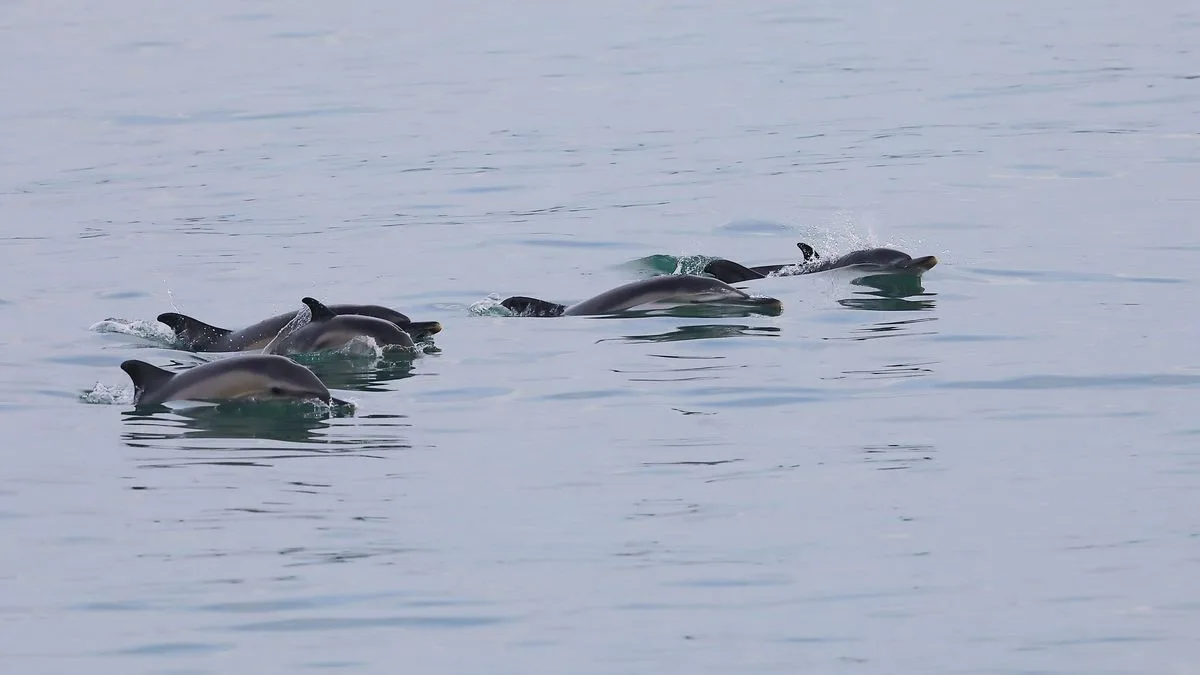
Grey Seals Preying on Dolphins in UK Waters Spark Human Safety Fears
Grey Seals Attack Dolphins, Pose Risk to Humans in UK

Marine experts have issued urgent warnings to swimmers following a disturbing increase in grey seals attacking and consuming dolphins in British coastal waters. The predatory behaviour, documented in multiple incidents, raises significant concerns for human safety due to the seals' powerful bites and dangerous bacteria.

Documented Attacks on Dolphins

In January, a common dolphin was photographed clamped between the jaws of a grey seal in the Irish Sea near Dublin. Shortly after in late February, the first confirmed dolphin killed by a grey seal in Welsh waters washed ashore on Newgale beach in Pembrokeshire. Marine investigators linked this fatality to a group of grey seals operating between Wales and England's south-west coast.

The deceased dolphin displayed horrific injuries consistent with seal predation. Its torso was flayed with distinctive corkscrew-shaped markings where the seal had torn strips of blubber using razor-sharp teeth. Two additional suspected dolphin attacks have been reported in Devon, amplifying concerns among conservationists and coastal communities.

Wide Pickt banner — collaborative shopping lists app for Telegram, phone mockup with grocery list

Human Safety Implications

Cliff Benson, founder of Sea Trust Wales, emphasised the grave danger grey seals pose to humans. "Half the people I know who work with seals have got bits of fingers missing," the 71-year-old veteran told the Telegraph. "If you do get bitten by [a seal], the bacteria on their teeth are so bad it usually means amputation rather than just sticking a bandage on."

Consequently, swimmers are being strongly advised against actively swimming with, touching, or feeding seals. Experts stress that these are wild predators capable of inflicting serious bites and carrying dangerous infections. The warnings come as recreational water activities increase during warmer months.

Understanding Seal Behaviour

Researchers remain uncertain about the precise reasons behind the surge in dolphin attacks. One theory suggests adult male grey seals have developed a taste for dolphins after initially feasting on seal pups. These males fast during the breeding season from September to January while competing to mate with females who have recently weaned their young.

Adult male grey seals can grow beyond 8 feet (2.5 meters) in length and weigh over 660 pounds (300 kilograms). Typically, their diet consists of fish like sand eels, cod, and herring, alongside squid and crustaceans. Dr Izzy Langley of the Sea Mammal Research Unit at the University of St Andrews noted that while experts knew about grey seals killing other seals, evidence now suggests they prey on a broader range of marine mammals than previously recognised.

Attack Methods and Learned Behaviour

Researchers believe grey seals employ ambush tactics, striking dolphins from below where they remain undetected. Dr Langley explained this behaviour appears limited to adult males rather than being widespread across the grey seal population, indicating it's likely a learned behaviour rather than instinctual.

"I would suspect that it's probably come out of adverse interactions that have then resulted in, 'Oh, hang on, I've killed this animal, now I can actually feed on it'," she hypothesised. "And then that's a learnt behaviour." This pattern suggests individual seals discovering dolphin predation might be teaching others through observation.

Environmental Factors

Another contributing factor could be the dramatic increase in common dolphin populations along the Welsh coastline. According to Sea Trust Wales, dolphin sightings have multiplied eightfold over the past eight years, surpassing local porpoise numbers. Researchers believe commercial trawlers depleting fish stocks further out to sea have driven dolphins into shallower waters to hunt, bringing them into closer proximity with grey seal territories.

This ecological shift creates more opportunities for interspecies conflict. As dolphin numbers rise in coastal areas where seals traditionally feed, encounters between these marine mammals become increasingly inevitable. The combination of learned predatory behaviour and changing marine ecosystems creates perfect conditions for these unusual attacks to continue.

Pickt after-article banner — collaborative shopping lists app with family illustration

Marine conservation organisations continue monitoring the situation while urging public caution. The incidents serve as a stark reminder that even in familiar coastal waters, marine predators remain wild animals whose behaviour can change unexpectedly with environmental pressures.