In a landmark moment for global environmental cooperation, the world's first legally binding treaty to protect marine life in international waters has officially come into force. The High Seas Treaty, which governs vast ocean areas beyond any nation's jurisdiction, became active on Saturday, 17 January 2026, following nearly two decades of complex negotiations.
A New Framework for Global Ocean Governance
The treaty entered into force precisely 120 days after it achieved its crucial ratification threshold of 60 countries in September. As of Friday, 16 January, a total of 83 nations had formally ratified the agreement. This list includes recent, significant endorsements from major maritime powers such as China and Japan, lending considerable weight to the pact.
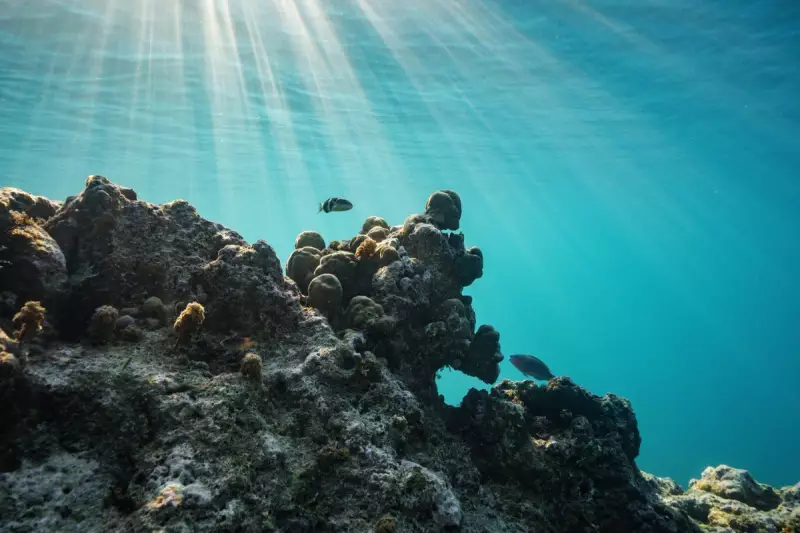
This historic agreement establishes the first-ever legal framework for creating Marine Protected Areas (MPAs) on the high seas. These international waters, which lie outside national boundaries, constitute about two-thirds of the global ocean. Currently, a mere 1 per cent of these critical areas enjoys any form of protection, leaving them vulnerable to mounting threats.

Immediate Obligations and Mounting Pressures
From its effective date, ratifying countries are now bound by several key obligations. They must collaborate on ocean science and technology and assist developing nations in building the capacity to participate in ocean governance. Furthermore, companies planning activities with potential to harm marine ecosystems must conduct environmental impact assessments that meet the treaty's stringent standards.
Perhaps most significantly, nations must now promote the treaty's conservation objectives within other international bodies that regulate ocean activities. This includes influential organisations like regional fisheries management groups, the International Maritime Organization, and the International Seabed Authority.
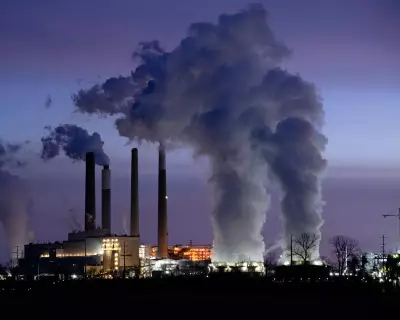
The urgency for action is underscored by the severe pressures facing the high seas, which include:
- Destructive fishing practices and overfishing
- Plastic pollution and shipping impacts
- The looming threat of deep-sea mining
- Compounding effects of climate change
The Race to Protect 30% by 2030
Conservationists are emphasising that governments must act with speed to leverage the new treaty. The global target is to protect 30 per cent of the world's oceans by 2030, a goal scientists deem critical for marine health. Given the high seas' vast coverage, their protection is indispensable for reaching this target.
"The marine protected areas under the treaty will only be as strong as the governments make them," stated Megan Randles, global political lead for Greenpeace’s Ocean Campaign. "We can’t trust big fishing industry players to simply stop fishing in these critical ecosystems. We need governments to use the treaty to force their hands."
While key institutional structures like the treaty's secretariat and scientific body are still being developed, countries can immediately begin preparing proposals for MPAs. Potential early sites include the Emperor Seamounts in the North Pacific, the Sargasso Sea in the Atlantic, and the Salas y Gomez and Nazca Ridges off South America.
Enforcement, Details, and Notable Absences
A critical unresolved question is how these future protected zones will be monitored and enforced. Options under exploration range from satellite surveillance and coordinated multinational patrols to oversight assistance from other UN agencies, according to Rebecca Hubbard, director of the High Seas Alliance.
The treaty's first Conference of the Parties (COP) will convene within a year to decide on key operational details, from budgets to committee structures. The earliest any Marine Protected Area could gain formal approval would be at the second COP, as the scientific body tasked with reviewing proposals is not yet established.
A notable absence from the list of ratifying nations is the United States. While the US has signed the treaty, it has not ratified it, meaning it can participate only as an observer without voting rights. Under international law, signatory countries are still expected to comply with the treaty's objectives.

"The High Seas Treaty has such incredibly broad and strong political support from across all regions of the world," said Hubbard. "Whilst it’s disappointing that the U.S. hasn’t yet ratified, it doesn’t undermine its momentum and the support that it has already."
Advocates stress that this unprecedented political support must now be channelled into rapid and effective implementation. As Megan Randles concluded, "The treaty is a sign that in a divided world, protecting nature and protecting our global commons can still triumph over political rivalries. The ocean connects us all."