An urgent health alert has been issued across the UK after thousands of potentially toxic plastic pellets washed up along a popular beach, posing a severe threat to pets and wildlife.
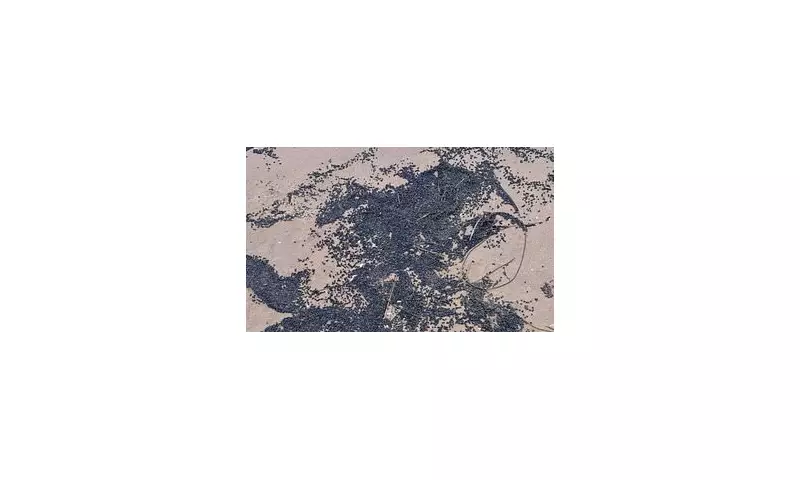
The tiny plastic pieces, known as nurdles or bio-beads, have carpeted the entire three-mile stretch of Camber Sands beach in East Sussex, creating what cleanup crews describe as an environmental crisis.
What are these dangerous pellets?
Nurdles are raw plastic materials used in manufacturing, measuring less than five millimetres in diameter. Meanwhile, bio-beads are small, dimpled plastic pieces used in water treatment plants to filter sewage.
While the plastics themselves aren't immediately poisonous, they act like sponges for dangerous chemicals and pollutants while floating at sea. When consumed by animals, these pellets can release toxic substances including carcinogenic polycyclic aromatic hydrocarbons (PAHs), lead, antimony, and bromine.
Immediate danger to pets and wildlife
Rother District Council has issued a stark warning to dog walkers, strongly advising them to keep pets on leads and under close supervision. The primary risks include:
- Chemical poisoning from absorbed pollutants
- Fatal blockages in digestive systems
- Internal injuries and organ damage
A council spokesperson stated: "We are not aware of any concerns regarding public health. However, due to the potential risk posed to pets, we strongly advise dog owners to keep dogs on leads and under close supervision while on the beach."
One of the worst spills ever recorded
Environmental group Clean Jurassic Coast, which is assisting with the cleanup, called the incident "one of the worst we've ever seen." A spokesperson described the scene as "shocking," adding that "millions of them are covering the sand and washing up with every wave."
The scale of contamination is so extensive that cleanup efforts face significant challenges. The tiny size and widespread distribution of the pellets make complete removal unlikely, according to officials working with specialist non-profit group Nurdle.
For wildlife, the consequences are particularly devastating. Birds and fish frequently mistake the plastic pellets for food, leading to starvation as the animals feel full while receiving no nutrition. The pellets can also cause ulcers, internal damage, and death if untreated.
Ongoing pollution problem
This isn't the first time bio-beads have contaminated Camber Sands. A 2021 council report noted that Southern Water operates five water treatment plants using bio-beads in the area, with previous incidents linked to "poor housekeeping and poor handling."
During earlier investigations, council officers found loose bio-beads in open bags exposed to weather, scattered on ground near treatment sites, and even outside facility gates. However, authorities haven't confirmed the source of the current spill.
Cleanup teams are hoping that high spring tides will concentrate the plastic debris along the waterline, making removal slightly more manageable. Meanwhile, dog owners are being urged to exercise extreme caution and report any sightings of the hazardous pellets to local authorities.